Best restaurants in the Langhe, a UNESCO World Heritage Site


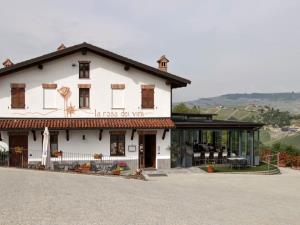
The best restaurants in the Langhe, a UNESCO World Heritage Site: a guide to the great Piedmontese cuisine between white truffles, noble wines and unparalleled gastronomic traditions.
The Langhe are much more than a landscape: they are a cultural, agricultural and gastronomic system recognized by UNESCO as a World Heritage Site, a territory where the rows of Nebbiolo, Barbera and Dolcetto draw sinuous hills that change color with the seasons and where the table has always been the place where the identity of an entire community is celebrated. The cuisine of the Langhe is not simply good: it is one of the most complete and coherent gastronomic expressions of Italy, capable of holding together tradition and innovation, peasant simplicity and bourgeois refinement, poor ingredients and raw materials of absolute world value such as the white truffle of Alba. The restaurants of the Langhe — from the historic trattorias of Alba to the starred ones immersed in the vineyards of Barolo and Barbaresco, from the taverns of La Morra to the places overlooking the hills of Serralunga d'Alba — offer a dining experience that in few other places in the world manages to reach this level of territorial depth and overall quality.
🍽️ Traditional Piedmontese cuisine in the Langhe tells centuries of peasant history transformed into haute cuisine thanks to the exceptional quality of local raw materials.
Sitting at the table in a restaurant in the Langhe means getting in touch with a gastronomic tradition that has not been broken over the centuries, but has if anything been enriched and refined without ever losing the common thread with the territory. The Piedmontese cuisine of the Langhe is built on very solid pillars: tajarin with sausage sauce, egg pasta rolled very thinly with dozens of yolks for every kilo of flour that makes it golden and silky; the vitello tonnato, a cold appetizer of slices of girello accompanied by a tuna and caper sauce that divides gourmets but is loved by the locals; bagna cauda, a hot sauce of garlic and anchovies in which raw and cooked vegetables are dipped following a convivial ritual as old as the hills themselves. Each dish has its own season, its own producer, its own story — and the best restaurants in the Langhe know how to tell it with the same passion with which the grandmother of the house handed it down.
👉 What to do and useful tips: in the restaurants of the Langhe, always start the meal with a traditional appetizer such as vitello tonnato or raw meat salad with a knife — preparations that Piedmontese chefs bring to surprising levels of refinement while maintaining the simplicity of the original recipe; Always ask what the fresh pasta of the day is, as artisanal tajarin vary in seasoning according to the season.
🍄 The white truffle of Alba is the undisputed king of the Langhe and transforms every dish into an unrepeatable sensory experience.
No guide to restaurants in the Langhe can fail to talk about the white truffle of Alba, the Tuber magnatum Pico, the most precious and celebrated gastronomic product in the whole territory. Between October and December, the hills around Alba, Roddi, Treiso and Mango become the scene of a silent and nocturnal search that the trifolau — truffle hunters — carry out with their trained dogs. The unmistakable scent of white truffle, earthy, musky and penetrating, invades the halls of the restaurants of the Langhe from October until the first weeks of January, accompanying tajarin with butter, fried eggs, cheese fondue and white wine risotto. A simple dish grated with white truffle from the Langhe rises in category immediately and unequivocally: it is one of the rare cases in which nature surpasses any culinary artifice.
👉 What to do and useful tips: if you visit the Langhe in autumn during the Alba white truffle season, book well in advance in the restaurants in the area — the most popular places fill up quickly, especially on weekends of the Alba International White Truffle Fair; To taste the truffle in its purest expression, choose dishes with a neutral condiment such as eggs with butter or tajarin with alpine butter, where the scent of the underground mushroom is not covered by other flavors.
🍷 Barolo and Barbaresco are the great red wines of the Langhe and every restaurant in the area holds a selection that would be the envy of the best wine bars in the world.
The Langhe is the cradle of two of the greatest and longest-lived red wines in Italy: Barolo DOCG and Barbaresco DOCG, both produced from the Nebbiolo grape variety in geographically delimited areas recognizable by their unique characteristics. Barolo, called the 'king of Italian wines', was born in the municipalities of Barolo, La Morra, Castiglione Falletto, Serralunga d'Alba and Monforte d'Alba, and stands out for its imposing tannic structure, vibrant acidity and ability to age for decades developing bouquets of great complexity. Barbaresco DOCG, produced in the municipalities of Barbaresco, Treiso and Neive, is more elegant and precocious, with floral notes of rose and violet that make it immediately seductive. The restaurants of the Langhe preserve wine lists of extraordinary depth, with historical vintages and selections of producers that tell the story of decades of excellent viticulture.
👉 What to do and useful tips: rely on the sommelier of the Langhe restaurant where you are for the choice of wine — the knowledge of the territory and the individual producers by local professionals is encyclopedic and can guide you to bottles of Barolo or Barbaresco that you would never find independently; ask in particular about wines from small artisanal producers who do not have national distribution but who represent some of the most exciting expressions of the Langhe wine.
🥩 Piedmontese Fassona beef is the main ingredient of the main courses in the best restaurants in the Langhe.
Next to the white truffle, the Fassona Piemontese — or Piedmontese breed — is the other great animal protagonist of Langhe cuisine. It is a native breed of cattle from Piedmont characterized by a natural hypertrophic musculature that produces very lean, tender and delicately flavored meat, much appreciated by gourmets all over the world. In the restaurants of the Langhe, Fassona appears in all its forms: raw meat with a knife seasoned with extra virgin olive oil, lemon and garlic (or with white truffle in season), braised in Barolo cooked for hours in red wine from the hills until it becomes tender and fragrant, Piedmontese mixed boiled meat served with a battery of traditional sauces as a green sauce, fruit mustard and red sauce. Each preparation enhances the unique characteristics of this extraordinary meat.
👉 What to do and useful tips: when ordering raw Piedmontese Fassona knife, make sure it is beaten at the moment and not prepared in advance — freshness is everything for this dish; in the restaurants of the Langhe that offer Piedmontese mixed boiled meats, do not give up the accompaniment of traditional sauces, especially the green sauce made with parsley and anchovies, essential to balance the richness of the dish.
🧄 Bagna cauda is the convivial ritual par excellence of the Langhe and every restaurant in the area offers a version to be kept in the memory.
Few dishes in the world can boast a social and ritual value comparable to that of bagna cauda in the Langhe. This hot sauce of peasant origin — prepared with garlic, salted anchovies and extra virgin olive oil, cooked slowly until a thick and enveloping cream is obtained — is brought to the table in the traditional fujot, the typical terracotta container kept warm by a small flame, and accompanied by an abundant selection of raw and cooked vegetables: Nizza Monferrato hunchback cardoons, roasted peppers, beetroot, turnips, Jerusalem artichokes, baked onions. Sharing a bagna cauda in a restaurant in the Langhe is an act of deep conviviality, a declaration of belonging to a culture that puts the pleasure of the collective table at the center of social life.
👉 What to do and useful tips: bagna cauda is a winter dish par excellence, typically served in restaurants in the Langhe from October to April; if you are in company, order it as an appetizer to share — the collective dimension is an integral part of the experience; Keep in mind that the intense scent of garlic lingers for a long time, so it's a dish to be enjoyed without any impending worldly commitments.
🌟 The starred restaurants of the Langhe represent one of the most extraordinary concentrations of haute cuisine in Italy and Europe.
The Langhe boasts one of the highest densities of Michelin-starred restaurants per square kilometer in the entire Italian peninsula, a record that comes as no surprise to those who know the depth of the gastronomic tradition of this area and the quality of the raw materials available. Around Alba, La Morra, Verduno and in the hills of Barolo and Barbaresco there are tables of absolute reference for great Italian and international catering, where talented chefs dialogue with the territory by reinterpreting the Piedmontese tradition with contemporary technique and visionary creativity. These realities have contributed decisively to building the gastronomic reputation of the UNESCO Langhe in the world, attracting visitors from every continent willing to organize trips specifically to sit at those tables.
👉 What to do and useful tips: for starred restaurants in the Langhe, book months in advance — some of the most famous tables are full with three, four or even six months of waiting; combines the starred dinner with a wine itinerary among the producers of Barolo and Barbaresco and a visit to the regional wine shop of Piedmont in Barolo to build a complete gastronomic and cultural experience in the heart of the Langhe, a UNESCO World Heritage Site.
🍰 The traditional desserts of the Langhe close every meal with a refined sweetness that smells of hazelnut, chocolate and raisin wine.
The confectionery tradition of the Langhe is dominated by two excellent ingredients that the territory produces in exceptional quantity and quality: the Tonda Gentile delle Langhe IGP hazelnut and chocolate, handcrafted by the historic companies of Alba in a way that has inspired world-famous confectionery productions. Among the most popular desserts in Langhe restaurants are panna cotta with salted caramel or berry coulis, bunet — chocolate pudding and amaretti biscuits with a velvety texture — the moist and fragrant Langhe hazelnut cake, and individual bonèts served with a drizzle of local acacia honey. Everything often ends with a glass of Moscato d'Asti DOCG or Passito di Pantelleria, combinations that Piedmontese restaurateurs offer with a skill acquired generation after generation.
👉 What to do and useful tips: never finish a meal in the Langhe without tasting at least one dessert made with Tonda Gentile IGP hazelnuts — whether it is a cake, a semifreddo or a simple praline — is the confectionery signature of the area; pair it with a glass of Moscato d'Asti DOCG, the sweet and sparkling wine from the hills of Canelli and Santo Stefano Belbo, for a meal finale of great harmony.
🗺️ Alba and the wine-growing villages of the Langhe offer a circuit of restaurants and taverns that transforms every day into a memorable gastronomic itinerary.
Alba, the undisputed capital of the Langhe, is the ideal starting point for exploring the area's restaurants: its main street and the narrow streets of the medieval historic center are home to a concentration of high-level restaurants, taverns, wine bars and pastry shops that make every walk a continuous invitation to stop. But the quality gastronomic offer does not end in the city: the UNESCO heritage wine-growing villages — Barolo, La Morra, Barbaresco, Castiglione Falletto, Serralunga d'Alba, Neive, Treiso — each house trattorias and restaurants of very strong character, often family-run, where you can eat in the middle of the vineyards with a wine list that tells the story of the territory hill by hill. Building a gastronomic itinerary among these villages means discovering the UNESCO Langhe in the most complete and satisfying way possible.
👉 What to do and useful tips: plan your gastronomic itinerary in the Langhe by distributing meals among several villages — a lunch in La Morra with a view of Monviso and a dinner in Alba in the historic center, or a stop in a Barolo winery with tasting paired with local cold cuts and cheeses before dinner; This variety of contexts and atmospheres greatly enriches the overall experience of the territory.
❓ F.A.Q. - Frequently asked questions about the best restaurants in the Langhe, a UNESCO World Heritage Site.
🍽️ What are the typical dishes that should not be missed in the restaurants of the Langhe?
The essential dishes of Langhe cuisine include tajarin with meat sauce or white truffle, raw meat with a knife of Fassona Piemontese, veal with tuna sauce, braised beef in Barolo, bagna cauda with vegetables, Piedmontese mixed boiled meat and bunet as a dessert. Each season adds more specialties related to the ingredients of the moment.
🍄 In what period is the white truffle of Alba found in the restaurants of the Langhe?
The Alba white truffle season runs approximately from October to December, with the peak between November and early December. In this period, almost all restaurants in the Langhe offer tasting menus and special dishes based on fresh truffles, often grated at the moment directly at the table.
🍷 Which Langhe wines go best with the local cuisine?
Barolo DOCG and Barbaresco DOCG are the great reds of the area, ideal with braised meat, game and aged cheeses. Dolcetto d'Alba goes well with first courses and appetizers. Moscato d'Asti DOCG is the dessert wine par excellence. For whites, Roero Arneis DOC is an elegant choice for appetizers and seafood.
🌟 Is it worth booking a starred restaurant in the Langhe?
Yes, the starred restaurants of the Langhe offer world-class gastronomic experiences in unique landscapes, surrounded by UNESCO heritage vineyards. It's crucial to book months in advance, as the most coveted tables sell out quickly, especially during white truffle season.
📅 When is the best time to visit the Langhe for gastronomy?
Autumn, from September to November, is considered the golden age of the Langhe: the wine-growing landscape is at its chromatic peak with the grape harvest and colored leaves, the white truffle is in season and the food fairs animate Alba and the surrounding villages. Spring is also a great time, quieter and more affordable.
🏘️ Which villages in the Langhe offer the most interesting restaurants besides Alba?
La Morra, Barolo, Barbaresco, Neive and Serralunga d'Alba are home to restaurants and trattorias of great quality, often with panoramic terraces overlooking the vineyards. These villages allow you to combine the gastronomic experience with visits to the cellars of local producers, building complete itineraries between food and wine.
🥩 What is the Piedmontese Fassona and why is it so popular in the Langhe?
The Fassona Piemontese is a native breed of cattle from Piedmont characterized by very lean, tender meat with a delicate flavor, thanks to a natural hypertrophic musculature. It is considered one of the best Italian beefs and is used raw, braised in Barolo or in mixed boiled meats in Langhe restaurants.
🧄 Is bagna cauda found all year round in restaurants in the Langhe?
Bagna cauda is traditionally an autumn and winter dish, available in restaurants in the Langhe from October to April approximately. In summer it is less frequent, as its warm and invigorating characteristics make it particularly suitable for the cold months. Some places offer it by reservation even out of season.
🍰 What are the typical desserts of the Langhe to taste in local restaurants?
The most representative desserts are the chocolate and amaretti bunet, the Tonda Gentile delle Langhe IGP hazelnut cake, the panna cotta with caramel or berries and the individual bonèt. Everything goes perfectly with a glass of Moscato d'Asti DOCG or Passito, sweet wines typical of the area.
📍 How to get to the Langhe for a gastronomic tour?
Alba is the main access point to the Langhe and can be reached by train from Turin with a change in Bra or Cavallermaggiore, or by car from the A6 Turin-Savona motorway or the A21 Turin-Brescia. Having a car at your disposal is strongly recommended to freely explore the wine villages and restaurants scattered among the UNESCO hills.
The Langhe, a UNESCO World Heritage Site, represents one of the most complete and fascinating gastronomic territories in the world, a place where the landscape of the vineyards, the culture of wine and the depth of Piedmontese cuisine come together in an experience of extraordinary coherence. The best restaurants in the Langhe — from family trattorias in wine-growing villages to starred tables overlooking the rows of Nebbiolo — share an approach based on absolute respect for local raw materials, from Piedmontese Fassona to Alba white truffles, from artisanal tajarin to Tonda Gentile IGP hazelnuts. Choosing to sit at the table in this corner of Piedmont means embarking on a gastronomic journey that leaves a lasting mark, capable of making you understand why the Langhe are loved and sought after by travelers and gourmets from all over the world. On Youritaly.it you will find useful information to find your way around the restaurants of the Langhe, with insights into the UNESCO villages, the great wines of the area and the typical Piedmontese products that make every visit to this extraordinary land unique.