Delicacies and excellences of Liguria


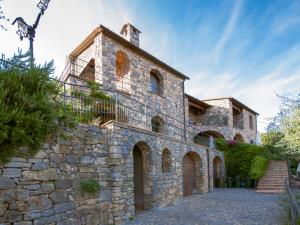
Delicacies and excellences of Liguria: a journey through flavors, traditions and typical products of a unique region in the Italian gastronomic scene.
Liguria is a region that surprises for the richness of its food and wine heritage. Squeezed between the Ligurian Sea and the Maritime and Apennine Alps, this thin strip of land has developed over the centuries a typical Ligurian cuisine capable of drawing the best of two worlds: the marine and the mountain. The typical products of Liguria are the result of a millenary tradition, made up of peasant wisdom, Mediterranean influences and a food culture deeply rooted in the territory. From the aromatic herbs grown on the terraces to the salted anchovies in the cells of the Riviera shops, every Ligurian gastronomic excellence tells a precise story, made up of gestures handed down from generation to generation.
🫒 The king of the Ligurian table: everything you need to know about the fine extra virgin olive oil.
Talking about the excellence of Liguria inevitably means starting from Ligurian extra virgin olive oil, considered among the finest in Italy. The Taggiasca variety, grown mainly in the hinterland of Imperia, produces an oil with a delicate, fruity flavor and low acidity, much appreciated both in the kitchen and by connoisseurs. The Ligurian olive groves, often arranged on terraces supported by dry stone walls, characterize the rural landscape of the region and represent a cultural as well as productive heritage. The PDO Riviera Ligure protects and certifies this extraordinary product, guaranteeing the consumer origin and quality.
👉 What to do and useful tips: visit the oil mills in the Imperia hinterland during the olive harvest period, between October and December, to watch the cold pressing and buy Taggiasca extra virgin olive oil directly at the source, with the certainty of the freshness and traceability of the product.
🌿 The Genoese focaccia and the baked specialties that smell of Liguria in every corner of the region.
The Genoese focaccia, known in dialect as 'fügassa', is perhaps the most immediate symbol of the Ligurian gastronomic tradition. Crunchy on the outside, soft on the inside, generously greased with extra virgin olive oil and sprinkled with coarse salt, it can be eaten for breakfast, as a snack or as a snack at any time of the day. Next to her, the focaccia di Recco with cheese — protected by an IGP brand — conquers with its very thin dough and filling of fresh stringy cheese. Ligurian bakeries, called 'ovens' or 'bakeries', also offer chickpea farinata, vegetable pies and a variety of savory preparations that make the lunch break a moment of authentic pleasure.
👉 What to do and useful tips: taste the focaccia di Recco in the territory of the municipality of Recco, where the IGP recipe is prepared according to strict regulations, and combine it with a glass of Ligurian Vermentino for a complete and representative taste experience of the region.
🐟 The world of the sea on the table: anchovies, fish and seafood of the Ligurian seafaring tradition.
Ligurian seafood cuisine has its most iconic product in anchovies. The anchovies of Monterosso al Mare, a Slow Food presidium, are still processed by hand and preserved in salt in terracotta pots or glass jars, according to a method handed down over the centuries. They are a fundamental ingredient of many traditional Ligurian recipes, from cappon magro to walnut sauce. Fresh fish caught in the Ligurian Sea — cuttlefish, sea bass, sea bream, mullet — is the basis of soups, fried foods and restaurant dishes that enhance the raw material without excessive processing.
👉 What to do and useful tips: in coastal villages such as Camogli, Sestri Levante and Monterosso it is possible to buy salted anchovies directly from local producers during the weekly markets, and attend in some periods the dedicated festivals that celebrate this maritime tradition.
🍋 Citrus fruits, aromatic herbs and flowers: the scents of the Ligurian hinterland that reach the kitchen.
The Ligurian hinterland is a reservoir of aromatic biodiversity. The Genoese basil PDO, grown in the greenhouses of Prà, on the outskirts of Genoa, is considered the best in the world for the preparation of Genoese pesto: its small, tender and fragrant leaves give the Ligurian green sauce an inimitable sweetness. Alongside basil, marjoram, borage, thyme and wild sage thrive, all used in regional cuisine. The loose lemon of Amalfi has its Ligurian counterpart in the lemon of Monterosso and in the production of derived products such as artisanal limoncello and citrus preserves typical of the Riviera di Levante.
👉 What to do and useful tips: buy Genoese basil PDO in the local markets of Genoa and try to prepare Genoese pesto following the traditional recipe with mortar and pestle, respecting the proportions indicated in the PGI specification to obtain a result as faithful as possible to the original.
🍝 Genoese pesto and fresh pasta: undisputed symbols of Ligurian gastronomy in the world.
Genoese pesto is undoubtedly the most famous ambassador of Ligurian gastronomy in the world. Prepared with PDO Genoese basil, extra virgin olive oil, pine nuts, garlic, salt, Parmigiano Reggiano and Pecorino Sardo, pesto is a raw sauce that should never be heated to preserve its aromas. It traditionally goes well with trenette, trofie — a typically Ligurian fresh pasta with a rolled shape — and lasagna with pesto. Fresh Ligurian pasta also includes pansoti, ravioli stuffed with wild herbs and ricotta topped with walnut sauce, another staple of regional cuisine.
👉 What to do and useful tips: take part in one of the Ligurian fresh pasta workshops organized in many farmhouses and gastronomic cultural centers in the region to learn how to prepare trofie with pesto and pansoti with walnut sauce according to recipes handed down by Genoese families.
🧀 Cheeses and dairy products from the hinterland: the dairy products of the little-known Ligurian valleys.
Less celebrated than other regional excellences, the Ligurian dairy heritage deserves specific attention. In the valleys of the Savona and Genoese hinterland, fresh and aged goat and sheep cheeses are produced that reflect the wild nature of the highland pastures. Prescinseua, a fresh acidulous cheese typical of the Genoese tradition, is an indispensable ingredient for the preparation of the Pasqualina cake and some variants of stuffed focaccia. The giuncata, very delicate and with a short shelf life, is mainly consumed on site and represents one of the most fragile and precious products of the area.
👉 What to do and useful tips: Visit the farmers' markets of the Ligurian hinterland — particularly in the areas of Val Bormida, Val Polcevera and Valle Argentina — to find artisanal goat's cheeses and fresh dairy products produced by small farmers who follow traditional methods and low environmental impact.
🍷 Wines and wine production: Ligurian labels between Vermentino, Pigato and Rossese.
Ligurian viticulture is a continuous challenge with geography: the vineyards grow on steep slopes, narrow terraces and poor soils, yet they give life to wines of great character. Vermentino di Luni DOC, grown on the border with Tuscany, is a fresh and mineral white, perfect with fish. Pigato, a native grape variety of the Riviera di Ponente, produces structured whites with floral and citrus hints. Rossese di Dolceacqua DOC, the only important red wine in the region, is an elegant and subtle wine, already appreciated by Napoleon during his military campaigns in Italy. The Cinque Terre DOC also offer Sciacchetrà, a rare and precious passito made from partially dried grapes.
👉 What to do and useful tips: along the Wine and Oil Route in the Western Ligurian Riviera it is possible to visit wineries and producers who offer tastings of Pigato, Vermentino and Rossese di Dolceacqua, often combined with typical local products in structured food and wine itineraries that are much appreciated by visitors.
🌰 Inland products and preserves: chestnuts, porcini mushrooms and honey from the Apennine valleys.
The Ligurian Apennines offer seasonal products of great value that often remain in the shadows compared to the coastal excellences. Porcini mushrooms from the valleys of the Genoese and Savona hinterland are among the most fragrant in Italy, eaten fresh in summer and preserved in oil or dried throughout the year. The chestnuts of Calizzano and the chestnuts of Castel Vittorio, protected by Slow Food, are fine chestnuts used for flours, desserts and artisanal jams. Ligurian honey, produced in small quantities by beekeepers who exploit the rich spontaneous flora of the hinterland, includes rare varieties such as strawberry tree honey, with its characteristic bitter taste.
👉 What to do and useful tips: during autumn, the festivals dedicated to porcini mushrooms and chestnuts in the villages of the Ligurian hinterland — such as those of Calizzano, Urbe and Rezzoaglio — are the best opportunity to taste the products of the seasonal harvest and buy preserves, flours and artisanal products directly from the producers.
🍬 Traditional sweets and Ligurian confectionery: amaretti, canestrelli and Genoese pandolce.
Traditional Ligurian pastry has ancient roots and a surprisingly rich repertoire. The Genoese pandolce, a typical dessert of the Christmas period, comes in two variants: high and leavened, similar to a rustic panettone, or low and more crumbly, with dried fruit, candied fruit and fennel seeds. Canestrelli, crumbly flower-shaped biscuits covered with powdered sugar, are among the most popular desserts in the region. Sassello macaroons, soft and fragrant with bitter almonds, have won national awards and are considered among the best Italian macaroons. The rose jams produced in the Riviera dei Fiori complete a confectionery panorama of great variety and history.
👉 What to do and useful tips: the Christmas markets of Genoa and the Ligurian Riviera are the ideal time to find artisanal pandolce, canestrelli and amaretti of Sassello in quality gift boxes; Even during the year, the artisan pastry workshops of the historic villages offer these products continuously.
🛒 Markets, shops and fairs: where to find Ligurian gastronomic excellence in the area.
For those who want to really immerse themselves in the world of Liguria's gastronomic excellence, the local markets and agri-food fairs represent the most direct meeting point between producers and consumers. The Mercato Orientale in Genoa, one of the most historic covered markets in Italy, offers a complete overview of typical Ligurian products: from prescinseua to PDO basil, from dried mushrooms to Taggiasca olives. Seasonal fairs such as those dedicated to wine, oil and organic products from the hinterland enliven the regional gastronomic calendar from September to April. The shops selling typical products in the historic villages of the Cinque Terre, Val Nervia and Riviera di Ponente are points of reference for those looking for certified quality products with a short supply chain.
👉 What to do and useful tips: consult the calendar of festivals and gastronomic events in Liguria before organizing your trip: events dedicated to pesto, Taggiasca oil, porcini mushrooms and Rossese di Dolceacqua are held throughout the region and offer tastings, cooking demonstrations and direct purchases from producers.
❓ F.A.Q. - Frequently asked questions about the delicacies and excellences of Liguria.
🫒 What is the most representative typical product of Liguria?
Genoese pesto is undoubtedly the best known and most representative product of Ligurian gastronomy in the world, prepared with Genoese basil DOP, extra virgin olive oil, pine nuts, garlic and aged cheeses.
🌿 Where is Genoese basil PDO grown?
Genoese basil PDO is mainly grown in the greenhouses of the Prà district, on the western outskirts of Genoa, where the climatic conditions and the soil guarantee unique organoleptic characteristics compared to crops in other areas.
🐟 What are the most valuable Ligurian anchovies?
The anchovies of Monterosso al Mare, in the heart of the Cinque Terre, are considered the finest in Liguria. Protected as a Slow Food presidium, they are processed by hand and preserved in salt according to traditional methods that date back centuries.
🍷 What are the typical wines of Liguria?
The main Ligurian wines are Vermentino di Luni DOC, Pigato della Riviera di Ponente, Rossese di Dolceacqua DOC and Sciacchetrà delle Cinque Terre, a rare passito produced in very limited quantities from partially dried grapes.
🫙 What are Taggiasca olives and where are they produced?
Taggiasca olives are a native variety grown mainly in the hinterland of the province of Imperia, in western Liguria. They are characterized by small size, soft pulp and delicate flavor; they are consumed in brine or transformed into DOP extra virgin olive oil.
🍰 What are the traditional sweets of Liguria?
Among the most representative desserts of the Ligurian tradition are the Genoese pandolce, the butter canestrelli with icing sugar, the Sassello amaretti made with bitter almonds and the rose jams of the Riviera dei Fiori, all preparations with deep historical roots.
🧀 What is prescinseua and how is it used in cooking?
Prescinseua is a fresh cheese typical of the Genoese tradition, with a sour taste and a semi-liquid consistency. It is mainly used as an ingredient in the Pasqualina cake, in stuffed focaccia and in some sweet preparations of traditional Ligurian pastry.
🌊 Is it possible to buy typical Ligurian products directly from the producers?
Yes, in Liguria direct sales are widespread in farmers' markets, in agri-food shops in historic villages and during seasonal festivals. Many producers of oil, wine, honey and cheese in the hinterland also receive by appointment at their companies.
🌰 What are the typical products of the Ligurian hinterland?
The Ligurian hinterland offers porcini mushrooms, chestnuts from Calizzano and Castel Vittorio, strawberry tree and chestnut honey, artisanal goat's cheeses, wild aromatic herbs and chestnut flour. These are seasonal products often only available locally or during dedicated events.
🍝 What shapes of fresh pasta are typical of Ligurian cuisine?
The most typical fresh pasta shapes of Liguria are trofie, with a rolled and elongated shape, trenette, similar to linguine, and pansoti, ravioli stuffed with wild herbs and ricotta traditionally seasoned with walnut sauce. All of them are combined with Genoese pesto or herb-based condiments.
The delicacies of Liguria are not simply products to buy or dishes to taste: they are the result of centuries of balance between land, sea and craftsmanship. Every Ligurian gastronomic excellence — from Taggiasca extra virgin olive oil to Genoese pesto, from anchovies from Monterosso to Rossese di Dolceacqua — brings with it a precise history and a well-defined territory. Knowing the typical products of Liguria means better orienting yourself among the proposals of markets, fairs and craft shops, consciously choosing what really deserves attention. Youritaly.it offers users an updated map of the production realities and places where to best experience this rich food and wine tradition, from the Cinque Terre to the Riviera di Ponente, passing through the villages of the Ligurian Apennines where culinary traditions are preserved with particular care and dedication.