Holidays in central Italy: why choose Umbria for a journey through medieval villages, unspoiled nature, spirituality and one of the richest gastronomic traditions of the Peninsula.
Umbria is the only region in central Italy that does not overlook the sea, yet it has never ceased to attract travelers from all over the world thanks to a natural, artistic and spiritual heritage of extraordinary depth. Called the 'green heart of Italy', this region is home to gentle hilly landscapes, oak and beech forests, silent lakes and valleys crossed by crystal-clear rivers. Holidays in Umbria wind through intact medieval villages such as Assisi, Gubbio, Spello, Montefalco and Orvieto, cities of art such as Perugia and Todi, sanctuaries and abbeys that have marked the history of European Christianity. Added to all this is a regional cuisine of great character, with black truffles, pork butchery, fine legumes and wines such as Sagrantino di Montefalco DOCG that have conquered the most demanding palates. Holidays in central Italy find in Umbria a perfect synthesis of culture, nature and gastronomy in a territory that has remained faithful to its identity over time. 🌿 The Umbrian landscape: hills, forests, lakes and valleys that define the green heart of Italy.
The landscape of Umbria is characterized by a surprising morphological variety for a region of small size. The Umbrian Valley, which stretches from Perugia to Spoleto, is the central corridor of the region, fertile and cultivated, dotted with medieval towers and bell towers. Lake Trasimeno, the fourth largest lake in Italy, is a body of water of great charm with its inhabited islands and lakeside villages. The Valnerina is one of the wildest valleys in central Italy, with the Nera river flowing through woods and perched villages. The Monti Sibillini National Park occupies the eastern part of the region, with peaks that exceed 2400 meters and a plateau such as the Piano Grande di Castelluccio which in spring turns into a unique flowering spectacle in the world.
👉 What to do and useful tips: visit the Piano Grande of Castelluccio di Norcia during flowering, which usually takes place between June and July, when the plateau is tinged with red, yellow and blue with poppies, lentils and cornflowers; it is one of the most photographed natural spectacles in Italy and can be reached by car from the Valnerina or Norcia with panoramic roads of great visual impact. 🏛️ Medieval villages and cities of art in Umbria: a world-class historical heritage.
Umbria is a region that seems to have been specially designed for those who love medieval villages and intact historic centers. Assisi, the birthplace of St. Francis, is a UNESCO World Heritage Site and attracts millions of visitors from all over the world every year with its Basilica that houses Giotto's frescoes. Gubbio preserves one of the most well-preserved medieval historic centers in central Italy, dominated by the Palazzo dei Consoli which stands out majestically on the main square. Spello, with its flower-filled alleys and the Baglioni Chapel frescoed by Pinturicchio, is one of the lesser-known gems of the region. Orvieto, on its tuff spur, is home to one of the most beautiful Gothic domes in Italy. Todi, Bevagna, Trevi and Montefalco complete an artistic itinerary that has no equal in the Peninsula.
👉 What to do and useful tips: walk through the historic center of Spello during the Corpus Christi Infiorata, usually in June, when the streets of the village are covered with floral carpets of extraordinary beauty; it is one of the most spectacular events in Umbria and requires advance booking of accommodation facilities in the area. ✝️ Spirituality and sacred places: Umbria as a land of saints, abbeys and paths.
No Italian region is linked to Christian spirituality as much as Umbria: St. Francis of Assisi and St. Clare, St. Benedict of Norcia — founder of Western monasticism — and St. Rita of Cascia were born and lived here. The territory is dotted with abbeys, hermitages, sanctuaries and places of meditation that attract pilgrims and travelers in search of silence and reflection. The Way of Francis, which crosses Umbria from north to south following the places linked to the life of the saint, is one of the most traveled spiritual itineraries in Europe. The Sacro Speco of Subiaco, the abbeys of San Pietro in Valle in the Valnerina and Sassovivo near Foligno are destinations of great value for those looking for slow and contemplative tourism in central Italy.
👉 What to do and useful tips: walk at least one stage of the Way of Francis during your holidays in Umbria, choosing an accessible stretch based on your physical preparation; the stretch between Assisi and Spoleto is among the most scenic and well signposted, with the possibility of staying overnight in affiliated facilities along the way. 🍽️ Umbrian cuisine: truffles, butchery, legumes and wines among the finest in central Italy.
Umbrian gastronomy is one of the richest and most genuine in central Italy, built on the highest quality ingredients that the territory produces with generosity. The black truffle of Norcia and the white truffle of Città di Castello are famous all over the world and smell risottos, fresh pasta and bruschetta in restaurants throughout the region. Umbrian pork butchery — cured meats, hams, sausages and cracklings processed according to the ancient traditions of Norcia — is an internationally recognized gastronomic heritage. The lentils of Castelluccio IGP, the beans of Trasimeno and the spelt of Garfagnana complete a rural pantry of great value. The wines of Sagrantino di Montefalco DOCG, Torgiano Rosso Riserva DOCG and Orvieto DOC accompany every meal with character and personality.
👉 What to do and useful tips: take part in the Black Truffle Market Exhibition in Norcia, held every year in February, to buy prized black truffles directly from local hunters at much more affordable prices than the delicatessens of the big cities; it is also an opportunity to learn about the butchery tradition and taste the typical products of the Valnerina. 🥾 Trekking, hiking and outdoor sports in the natural parks of Umbria.
Those who choose holidays in Umbria to play sports and experience nature find a generous and well-organized territory. The Monti Sibillini National Park offers trails for every level of difficulty, from high-altitude walks to challenging crossings along the Apennine ridges. The Valnerina is ideal for river trekking, mountain biking and kayaking on the waters of the Nera river. The Marmore Falls, among the highest in Europe with their 165 meters of drop, can be reached by easy panoramic paths. Lake Trasimeno lends itself to the cycle path that runs along the entire lake perimeter, while the woods of Monte Subasio above Assisi offer walks of great beauty in every season.
👉 What to do and useful tips: tackle the tour of Lake Trasimeno by bike along the Trasimeno cycle path, a route of about 60 kilometers almost completely flat suitable for cyclists of all levels; it is advisable to leave early in the morning and stop in the lakeside villages of Castiglione del Lago, Passignano sul Trasimeno and Magione for a stop with lake fish tasting. 🎭 Festivals, festivals and cultural events: the calendar of Umbria is among the richest in Italy.
Umbria is a region that intensely lives its calendar of cultural events, folkloristic events and international festivals. Umbria Jazz in Perugia, one of the most important jazz festivals in the world, attracts tens of thousands of fans every July to the squares and theaters of the historic center. The Festival of Two Worlds in Spoleto is a historic event of European culture, with theater, music and dance. The Quintana of Foligno, a medieval equestrian joust in historical costume, is one of the most spectacular re-enactments in central Italy. The festivals dedicated to truffles, legumes, porcini mushrooms and local wines animate the Umbrian villages throughout the year, offering visitors direct contact with the most lively traditions of the region.
👉 What to do and useful tips: plan your holidays in Umbria to coincide with one of the main events in the region, such as Umbria Jazz in July or the Quintana di Foligno in August and September; Booking accommodation during these periods requires well in advance, as available places sell out very quickly in the weeks leading up to events. 🏊 Spas and wellness in Umbria: healing waters and relaxation centers in the green heart of Italy.
Umbria is home to some thermal springs of great value, little known compared to those in Tuscany but of equally high quality. The Terme di Fontecchio in Città di Castello, the Terme di San Faustino in Massa Martana and the Terme Amerino in Amelia offer therapeutic treatments and wellness programs in environments immersed in the green Umbrian countryside. In recent years, many accommodation facilities in the region have equipped themselves with wellness centers with saunas, massages and treatments based on local products such as olive oil, truffles and clays. A spa stay during holidays in central Italy thus becomes an experience that combines physical rest with the discovery of an area rich in history and landscapes.
👉 What to do and useful tips: book a treatment at the Umbrian spa a few days in advance, especially on autumn and winter weekends when demand is higher; many spa facilities in Umbria offer combined packages with overnight stays in farmhouses or hotels in the area at advantageous rates for stays of two or more nights. 🚗 How to get around Umbria during the holidays: scenic roads, trains and local transport.
Moving around Umbria during the holidays in central Italy requires a little planning, but often gives the greatest satisfaction. The car is the most flexible way to reach the inland villages and natural parks, along secondary roads of great scenic beauty. The regional railway network connects Perugia, Assisi, Foligno, Spoleto and Orvieto with good frequencies. The Minimetrò di Perugia is an innovative public transport system that connects the suburban car parks to the historic centre in just a few minutes. The nearest airports are those of Perugia San Francesco d'Assisi, with national and international flights, and those of Rome Fiumicino and Florence Peretola, connected to the region by motorway or railway.
👉 What to do and useful tips: drive along the panoramic road of the Valnerina starting from Spoleto and going up the Nera river to Norcia; it is one of the most spectacular routes in central Italy, with views of gorges, waterfalls, perched villages and Benedictine abbeys that make the trip itself one of the most memorable experiences of holidays in Umbria. 🌙 Where to stay in Umbria: farmhouses, villages, hotels and charming accommodation facilities.
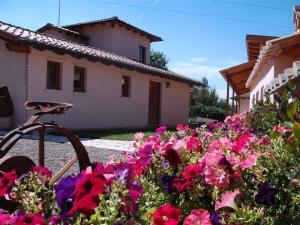
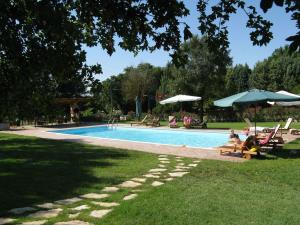
The accommodation offer in Umbria is varied and of an excellent level, with facilities capable of satisfying every type of traveler. Umbrian farmhouses immersed in the hilly countryside are perhaps the most sought-after solution, with rooms made from stone farmhouses, swimming pools overlooking the valley and dinners based on local garden and pork products. The hotel villages — ancient medieval villages converted into widespread accommodation facilities — offer a unique experience of staying within the living history of the region. The bed and breakfasts in the historic centers of Assisi, Spello and Gubbio allow you to experience the village from the inside, with the possibility of walking through the medieval alleys at sunrise and sunset without the crowds of day tourists.
👉 What to do and useful tips: consider the formula of the borgo albergo in Umbria if you want a truly immersive stay in the history and medieval architecture of the region; structures of this type are found throughout Umbria and allow you to experience a historic space as if it were your own home, with all the services of a quality accommodation integrated into the original environment. ❓ F.A.Q. - Frequently asked questions about holidays in central Italy and Umbria.
🗓️ When is the best time to vacation in Umbria?
Every season has its own charm. Spring, from April to June, is ideal for the blooming landscape and mild temperatures. Summer is the season of festivals and events. Autumn is the time of truffles, grape harvests and mushrooms, with extraordinary colors in the woods. Winter is perfect for visiting quiet villages and participating in the winter festivals of the butchery.
🏛️ How many days do you need to visit Umbria in a satisfactory way?
A week is the minimum recommended for those who want to explore Umbria in depth, visiting at least Assisi, Perugia, Orvieto, Spello and the Valnerina. A long weekend of three or four days allows you to focus on a specific area, such as Lake Trasimeno or the Assisi-Spello-Montefalco triangle, without feeling rushed.
🍽️ Where is the best black truffle found in Umbria?
The prized black truffle of Umbria is mainly found in the area of Norcia and Valnerina, which is considered the world capital of the black truffle. Spoleto is another important center for the production and marketing of the Umbrian truffle. Local markets and autumn festivals are the best places to buy it directly from the producers.
🚗 Is a car necessary to visit Umbria?
The car is strongly recommended to visit Umbria in a complete way, especially to reach the inland villages, natural parks and rural areas. The main centers such as Perugia, Assisi, Orvieto and Spoleto can also be reached by train, but to freely explore the Umbrian countryside the car remains the indispensable means of transport.
🌿 What are the most beautiful natural parks in Umbria?
The Monti Sibillini National Park is the largest and most spectacular, with the Piano Grande di Castelluccio as the main attraction. The Regional Park of Monte Subasio above Assisi offers panoramic walks accessible to all. The Marmore Falls Nature Reserve is a destination of great visual impact in the Valnerina.
🍷 What are the typical wines of Umbria to taste during the holidays?
Sagrantino di Montefalco DOCG is the most famous and structured Umbrian wine, produced with the native Sagrantino grape variety. Torgiano Rosso Riserva DOCG is another great red from the region. Orvieto DOC is the most famous, fresh and fragrant white. Grechetto dei Colli Martani is a white wine of great character typical of the central Umbrian hills.
✝️ Is Umbria suitable for spiritual or pilgrimage tourism?
Umbria is one of the most important spiritual tourism destinations in Europe. Assisi, with the Basilica of St. Francis, is an international pilgrimage destination. Norcia is linked to St. Benedict of Norcia. Cascia is home to the sanctuary of Santa Rita. The Way of Francis crosses the entire region with reception facilities dedicated to pilgrims.
🎭 What are the most important events in Umbria during the year?
Among the main ones: Umbria Jazz in Perugia in July, the Festival of Two Worlds in Spoleto between June and July, the Quintana in Foligno in August and September, the Black Truffle Exhibition in Norcia in February, the Calendimaggio in Assisi in May and the numerous autumn festivals dedicated to truffles, mushrooms and local wines throughout the region.
🏊 Are there quality spa facilities in Umbria?
Yes, Umbria has several spa facilities, less known than the Tuscan ones but of good quality. The Terme di Fontecchio in Città di Castello, the Terme di San Faustino in Massa Martana and the Terme Amerino in Amelia offer therapeutic treatments and wellness programs in natural environments of great beauty.
📅 How far in advance should I book accommodation in Umbria?
In the high summer season and during the main events such as Umbria Jazz and the Quintana di Foligno, it is advisable to book at least two or three months in advance. For stays in the most renowned hotel villages and farmhouses, advance booking is always recommended at any time of the year due to the limited availability of places.
Holidays in Umbria offer the traveler a dimension of central Italy that few other regions can match: a territory where history is alive in the medieval villages, where nature is intact in the parks and valleys, where spirituality emerges in every abbey and sanctuary and where the cuisine tells centuries of rural tradition with direct and deep flavors. Umbria does not need to build an image: its identity is written in the stone of its historic centers, in the color of its autumn woods, in the scent of the black truffle of Norcia and in the austere character of Sagrantino di Montefalco. Youritaly.it collects updated and useful information for those who want to better plan their holidays in Umbria, orienting themselves among the accommodation facilities, cultural itineraries, nature trails and food and wine experiences of this extraordinary region in the heart of the Italian peninsula.