Where to buy Chianti wine in Tuscany

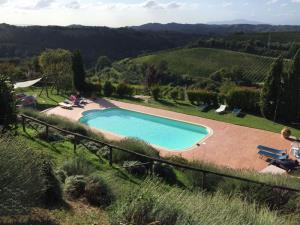
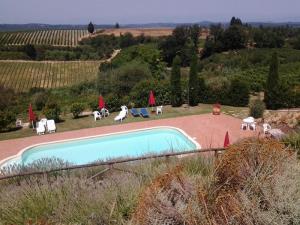
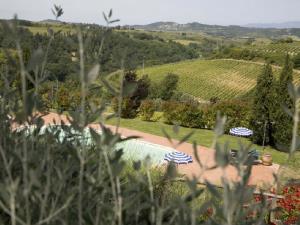
Where to buy Chianti wine in Tuscany.
Tuscany represents the historical homeland of Chianti wine, one of the most famous and recognizable denominations in the world wine scene, with a winemaking tradition that has its roots in Etruscan and Roman times, developing through centuries of technical improvement up to the modern codification of the production area, the grapes allowed and the quality regulations that have transformed Chianti from a rustic peasant wine to a refined expression of Tuscan territoriality globally appreciated. Discovering where to buy Chianti wine in Tuscany requires knowledge of the production geography that extends through the provinces of Florence, Siena, Arezzo, Pistoia, Prato and Pisa with the prestigious sub-area of Chianti Classico occupying historical territory between Florence and Siena characterized by the iconic symbol of the Black Rooster, understanding of the different types ranging from Chianti DOCG base to Chianti Classico DOCG, Chianti Classico Riserva and Gran Selezione with increasing complexity, and familiarity with purchasing channels that include producing wineries, historic specialized wine shops, wine markets, regional distributors and digital platforms that allow direct access to artisanal productions that maintain authentic territorial identity by rejecting massified industrial standardization that compromises distinctive character.
🍇 Direct purchase from the producing wineries.
Direct purchase from the wineries and wineries scattered in the Chianti hills represents the most authentic and rewarding channel to access wines with a guarantee of complete traceability, optimal freshness and the possibility of direct dialogue with producers or oenologists who share production philosophies, characteristics of specific terroirs and technical details of winemaking. Wineries located in traditional production areas such as the Chianti Classico territory between Greve, Castellina, Radda, Gaiole, Castelnuovo Berardenga and Barberino Tavarnelle, the Chianti Rufina hills east of Florence, the Chianti Colli Fiorentini, Chianti Colli Senesi, Chianti Colli Aretini and other sub-areas often open their doors to visitors by offering guided tastings that educate the palate to recognize distinctive characteristics of different wines, tours of the vineyards showing cultivated varieties (mainly Sangiovese with additions of Canaiolo, Colorino and international wines allowed), visits to the winemaking and aging cellars where barrels and barriques store maturing wines, and direct sales with prices that eliminate distributors' and retailers' margins offering optimal quality-value ratio. The tastings allow comparisons between different vintages by understanding how variable climatic conditions influence organoleptic profiles, between increasing types (basic Chianti, Riserva, Gran Selezione) appreciating increased complexity deriving from more rigorous selections and prolonged refinements, and between different production philosophies (conventional, organic, biodynamic, natural) that create different interpretations of the same territory.
👉 What to do and useful tips: plan visits to wineries in the Chianti area by booking guided tastings in advance that allow you to discover wines, understand the territories and direct purchases with advantageous prices.
🏛️ Historic wine bars in the villages of Chianti.
The historic wine bars located in the characteristic villages of the Chianti area such as Greve in Chianti, Panzano, Radda, Gaiole, Castellina, Barberino Tavarnelle and neighboring centers represent reference points for purchases curated with selections that aggregate productions from multiple wineries in the area allowing comparisons and discoveries without the need for visits to individual geographically dispersed companies. These wine shops, often managed by passionate professionals with in-depth knowledge of the local wine scene consolidated through decades of activity, offer the advantages of already filtered selections that present only productions that comply with high quality standards verified through tastings and direct relationships with producers, personalized advice that considers individual taste preferences, available budgets and expected occasions of use (daily consumption, celebrations, gifts, aging in the cellar), and convenience of centralized purchase in easily accessible locations during tourist explorations of the medieval villages that dot the Chianti hills. Wine shops maintain up-to-date rotations with current vintages alongside selections of more mature vintages for collectors looking for wines ready for optimal consumption or with potential for further evolution. Prices incorporate commercial margins that are higher than direct purchases from wineries but justified through expert service, aggregate variety and accessibility that add value for visitors with limited time.
👉 What to do and useful tips: visit historic wine bars in the Chianti villages for curated selections that aggregate productions from multiple wineries with expert advice and centralized purchasing convenience during territorial tours.
🛒 Wine markets and food and wine fairs.
Wine markets and food and wine fairs organized periodically in Tuscan towns and villages represent concentrated opportunities to discover and buy Chianti from multiple producers gathered in temporary events that facilitate direct comparisons. Annual events such as fairs dedicated to Chianti Classico, food and wine events in the historic villages of the area, seasonal markets and wine festivals host stalls of wineries that present their productions with the possibility of tastings, direct conversations with producers or company representatives who share passions and technical knowledge, and sales at often advantageous prices given the promotional context that favors visibility and building relationships with potential customers with respect to maximization of immediate commercial margins. These events concentrate in limited time and space opportunities that would otherwise require days of territorially dispersed visits, offer festive atmospheres that transform purchases into pleasant social experiences, and allow for random discoveries of lesser-known producers that may not emerge through targeted searches focused on established names. Seasonal fairs often coincide with harvest periods or territorial cultural events, creating synergies that enrich the overall experience. Monitoring event calendars across regional tourist sites, local tourism offices, and communications from conservation consortia allows for visit planning that maximizes opportunities for discovery and concentrated buying.
👉 What to do and useful tips: monitor calendars of food and wine fairs and wine markets in Chianti villages for concentrated tasting and buying opportunities from multiple producers gathered in temporary events.
🍷 Protection consortia and information points.
The protection consortia that represent and promote Chianti appellations maintain information points and exhibition spaces that educate visitors on the characteristics of the production areas, quality regulations, types of wines and associated producers, facilitating informed discovery and directing them to reliable wineries and retailers. The Chianti Classico Wine Consortium based in Radda in Chianti manages spaces where visitors can deepen their knowledge through information materials, introductory tastings, and obtain updated lists of member wineries open to public visits with information on services offered, opening hours and booking needs. These information points represent valuable resources particularly for visitors who arrive without detailed planning, providing guidance that optimizes subsequent experiences through personalized recommendations according to specific interests (historic vs. emerging wineries, organic producers, family businesses vs. cooperatives, focus on particular types). The consortia also organize training events, tasting masterclasses led by professional sommeliers and expert oenologists who deepen technical and sensory aspects, and promote thematic food and wine itineraries that connect visits to wineries with cultural, gastronomic and landscape discoveries of the territory, creating balanced integrated experiences that enrich understanding of the context that generates the wines.
👉 What to do and useful tips: visit the information points of the protection consortia for expert guidance, updated lists of wineries that can be visited and personalized recommendations that optimize territorial discovery and purchase experiences.
🌐 Specialized e-commerce and online sales.
The e-commerce platforms specializing in Italian wines and the company websites of the individual wineries offer convenient digital access to Chianti with home deliveries that overcome geographical limitations, allowing residents far from Tuscany and tourists who have finished visits to continue supplying. Digital marketplaces dedicated to quality Italian wines aggregate productions from multiple Chianti wineries allowing filtered searches by type (Chianti base, Classico, Riserva, Gran Selezione), production area, company philosophy (organic, biodynamic, natural), price range and vintages, with detailed descriptions that specify blends, winemaking techniques, aging, organoleptic notes and suggested food pairings. The company websites of the individual wineries allow direct purchases from the producer with complete catalogs of the different labels produced, in-depth information on philosophies, territories and methods, and occasionally promotional offers or bundles that optimize value for money. Shipments use wine-specific protective packaging that prevents breakage during transport and keeps bottles in an appropriate horizontal position. Reliable platforms ensure authenticity through direct partnerships with verified wineries, controlled temperatures during critical summer transport, and secure payment systems with return policies that protect buyers. E-commerce democratizes access by allowing systematic comparisons, reading reviews from other consumers when available, and progressively building personal wineries through repeated orders that consolidate preferences.
👉 What to do and useful tips: use e-commerce specialized in Italian wines and winery company sites for convenient purchases with home deliveries, particularly useful for distant residents or post-visit supplies.
🏪 Urban wine bars in Florence and Siena.
Urban wine bars located in the historic centers of Florence and Siena offer centralized access to curated selections of Chianti without the need for trips to the productive countryside, serving urban residents and tourists who base stays in the cities of art. Historic Florentine wine bars concentrated in areas such as Oltrarno, San Lorenzo, Santa Croce and the historic center maintain centuries-old commercial traditions with consolidated expertise, presenting selections ranging from accessible daily Chianti to Chianti Classico Riserva and Gran Selezione of prestigious vintages for serious collectors. Sienese wine bars located in the medieval center serve similar functions with a particular focus on productions from the Sienese Hills and Chianti Classico from the southern areas of the territory. These urban establishments offer the benefits of extended hours that accommodate flexible travel schedules, multilingual staff who communicate effectively with international clientele, shipping services that allow for meaningful purchases without logistical concerns of personal transportation, and occasional glass tastings that allow for effortless explorations of whole bottles. Urban prices incorporate operating costs of prestigious central locations that are generally higher than local wine shops in villages or direct purchases, but justified through convenience, service and accessibility that add value for specific customer segments that privilege these attributes.
👉 What to do and useful tips: Explore historic wine bars in the centers of Florence and Siena for curated selections accessible during urban stays, with shipping services that facilitate purchases without logistical worries.
📚 Chianti DOCG vs Chianti Classico DOCG.
Understanding the differences between Chianti DOCG and Chianti Classico DOCG is essential for informed purchases that align expectations with real characteristics. Chianti Classico represents the original historical area delimited between Florence and Siena, recognizable through the symbol of the Black Rooster on the bottles, with more restrictive regulations that require a minimum of 80% Sangiovese (often 90-100% in quality productions), minimum aging of 12 months, and for the Riserva 24 months of which at least 3 in the bottle, producing wines that are generally more structured, complex and long-lived with higher prices (15-30 euros for basic Classic, 25-50+ for Reserves, 40-80+ for Gran Selezioni). Chianti DOCG covers a wider area that geographically surrounds the Classico, divided into sub-areas (Colli Fiorentini, Colli Senesi, Colli Aretini, Colline Pisane, Montalbano, Montespertoli, Rufina) with less strict regulations that allow a minimum of 70% Sangiovese and shorter aging, producing wines that are typically lighter, more immediate and economically accessible (8-15 euros for basic Chianti, 15-25 for Reserves) appropriate for daily consumption. Chianti Rufina represents a qualitative exception with excellent productions that rival Classico at intermediate prices. This understanding allows for appropriate selections according to budget, occasions of use and personal stylistic preferences, avoiding disappointment deriving from misaligned expectations.
👉 Do's and useful tips: Understand the differences between Chianti DOCG and Chianti Classico DOCG for informed selections that align budgets, occasions and expectations with real characteristics of the types.
🌿 Organic and biodynamic production.
The segment of organic and biodynamic production is growing steadily in the Chianti area with wineries that adopt sustainable agricultural practices by eliminating pesticides and synthetic chemical fertilizers, favoring holistic management of vineyards that respects natural ecosystem balances. Organic certifications guarantee compliance with European regulations through periodic checks by accredited bodies that verify the absence of chemical residues and compliance with specifications during all phases from cultivation to winemaking. Biodynamic productions follow more complex philosophical principles that consider the vineyard as a living organism interconnected with cosmic cycles, using specific natural preparations and lunar calendars for agricultural practices. Organic and biodynamic wineries frequently communicate business philosophies through narratives that emphasize sustainability, territorial respect and expressive authenticity of the terroirs without chemical interference, attracting conscious consumers who value ethical and environmental dimensions as well as pure organoleptic quality. Organic and biodynamic wines have profiles that many enthusiasts describe as more authentic and territorially expressive, although debates continue on objective qualitative superiority compared to well-managed conventional productions. Prices incorporate moderate premiums (10-20% higher) justified by higher production costs, lower yields and ethical added values. Identifying organic and biodynamic producers requires research through certifications on labels, lists provided by consortia or industry associations, and digital platforms that filter according to these characteristics.
👉 What to do and useful tips: look for certified organic and biodynamic productions for wines that favor environmental sustainability, authentic territorial expression and agricultural practices that respect ecosystem balances.
💰 Price range and value ratio.
Chianti prices vary significantly according to type, production area, company reputation and sales channels. Chianti DOCG base from reliable producers typically ranks 8-15 euros at direct wineries, 10-18 euros in wine shops, representing accessible everyday wines with good value for money for regular consumption. Chianti Classico DOCG starts at 15-25 euros for basic labels, 25-40 euros for Riservas and 40-80+ euros for Gran Selections from renowned producers, justifying increases through prestigious historical territoriality, stricter regulations, stricter selections and prolonged refinements that generate greater complexity. Productions from famous wineries or exceptional vintages can exceed 100-200 euros for bottles intended for collectors and prolonged aging. The optimal quality-price ratio is generally identified in the range of 12-25 euros for quality daily Chianti and 20-35 euros for Chianti Classico which balances accessibility with distinctive territorial characteristics, avoiding both economic industrial productions without personality and premium labels where margins of prestige exceed objective qualitative increases. Direct purchases from wineries eliminate distribution margins by offering savings of 20-30% compared to retail channels, which are particularly advantageous for significant quantities intended for the construction of personal home cellars.
👉 What to do and useful tips: look for Chianti in the range of 12-25 euros for quality everyday wines and 20-35 euros for Chianti Classico with optimal value for money, favoring direct purchases for significant savings.
🚗 Wine itineraries and Chianti Classico Road.
The Chianti Classico Road, a signposted tourist itinerary that crosses the historic territory between Florence and Siena, facilitates organized exploration by connecting medieval villages, wineries that can be visited, historic wine bars, traditional restaurants and farmhouses, creating an integrated experience that combines wine discovery with cultural, gastronomic and landscape immersion. The main itinerary crosses iconic towns such as Greve in Chianti, Panzano, Castellina, Radda and Gaiole with detours to equally fascinating smaller villages, marked by distinctive signs that guide motorists along scenic roads winding through terraced vineyards, centuries-old olive groves and oak woods. Planning personalized itineraries according to specific interests optimizes experiences: exclusive focus on visits to wineries booked in advance for in-depth tastings, balanced combinations of 2-3 daily wineries and explorations of historic villages, or casual approaches that favor spontaneous discoveries by stopping at wineries with 'direct sales' signals along the routes. Seasons influence experiences: spring offers lush green landscapes, summer guarantees pleasant weather but maximum tourist crowds, autumn presents harvests in progress with authentic atmospheres and spectacular colors, winter reduces tourism allowing more intimate interactions with producers. Combining wine visits with overnight stays in farmhouses immersed in vineyards transforms daily excursions into extended stays that allow relaxed rhythms avoiding driving after significant alcoholic tastings.
👉 What to do and useful tips: travel the Chianti Classico Road by planning personalized itineraries that balance visits to booked wineries, explorations of historic villages and stays in farmhouses for integrated experiences.
🎁 Gift wrapping and shipping services.
Many wineries and wine shops offer gift wrapping services that transform bottles into elegant presents appropriate for special occasions, souvenirs representative of the territory or corporate gifts that communicate sophistication. The packages range from handcrafted wooden boxes for single bottles to multiple boxes that include thematic selections (verticals of different vintages, horizontals of increasing types from the same winery, territorial assortments from multiple producers), often accompanied by information materials that contextualize the wines and guide tastings. Domestic and international shipping services offered by wineries and wine shops solve logistical problems for tourists who want to purchase significant quantities without worries of personal transport in air luggage with weight limitations and risks of breakage, using specialized couriers with certified protective packaging and occasionally temperature checks for critical summer shipments. Shipping costs vary according to destinations, quantities and desired speeds, typically 15-30 euros for national shipments of 6-12 bottles, increasing significantly for non-EU international destinations that also involve customs duties that vary according to countries. Some manufacturers offer free shipping for orders above minimum thresholds (often 100-150 euros) encouraging consolidated purchases. Checking for breakage policies during transportation and available insurance protects significant investments from accidental losses that may not be automatically covered.
👉 What to do and useful tips: take advantage of the shipping services offered by wineries and wine shops for significant purchases without logistical worries, checking policies on breakages and insurance available.
❓ F.A.Q. - Frequently asked questions about where to buy Chianti wine in Tuscany.
🍇 What is the difference between Chianti and Chianti Classico?
Chianti Classico comes from the original historic area between Florence and Siena with stricter regulations (min 80% Sangiovese), superior refinements and generally higher quality and prices than Chianti DOCG.
💰 How much does a good Chianti cost on average?
Chianti DOCG base 8-15€, Chianti Classico 15-25€, Chianti Classico Riserva 25-40€, Gran Selezione 40-80+€ at direct wineries, with 20-30% increments in retail wine shops.
🏪 Is it better to buy directly from wineries?
Yes, it offers better prices by eliminating margins, direct experience with producers, educational tastings and guarantees of full traceability, especially advantageous for significant quantities.
📅 When is the best time to visit?
September-October to witness harvests with authentic atmospheres, spring for lush landscapes, avoiding summer tourist peaks if you are looking for intimate experiences with producers.
🌐 Is it worth buying online?
Very convenient for continuous post-visit supplies or for distant residents, verifying seller reputations, appropriate shipping conditions and policies on breakages during transit.
🌿 Are organic Chiantis better?
They offer guarantees of sustainability and absence of chemical residues by attracting conscious consumers, with premium prices 10-20% justified by production methods and ethical values.
🎓 How to recognize a quality Chianti?
DOCG certification, Black Rooster for Classico, indications of specific vintage and production area, aromatic balance without defects, structure and complexity appropriate to the type.
🚗 Do I need to book visits to the wineries?
It is strongly recommended to contact in advance (days or weeks) because many wineries require reservations to organize appropriate guided tastings with dedicated staff.
🍷 How many bottles can be transported by plane?
It depends on companies and class, generally baggage weight limits apply, consider fragility and prefer shipments for significant quantities avoiding risks and inconvenience.
📦 Do wineries ship abroad?
Many offer international shipments with variable costs and customs duties to be considered according to destination countries, check availability and specific conditions directly.
Discovering where to buy Chianti wine in Tuscany means embarking on a journey through legendary hills dotted with historic vineyards, preserved medieval villages and wineries that perpetuate millenary winemaking traditions by producing wines that represent authentic liquid expressions of territories blessed with happy combinations of exposures, geological compositions, microclimates and human knowledge handed down through generations of dedicated winemakers. The region offers an articulated distribution ecosystem that balances tradition and modernity through direct purchases from wineries immersed in productive landscapes where tastings educate and connect emotionally, historic wine bars in the villages that curate representative selections by aggregating territorial excellence, markets and events that concentrate opportunities by facilitating comparisons, and digital platforms that democratize access by overcoming geographical barriers, allowing enthusiasts global wineries to build personal wineries with authentic Chiantis that tell stories of land, work and passion through every sip that evokes hilly landscapes kissed by the Tuscan sun. Understanding the qualitative and territorial differences between generic Chianti DOCG and prestigious Chianti Classico DOCG, recognizing the value of growing types from basic to Riserva and Gran Selezione that reflect stricter selections and prolonged aging, appreciating different production philosophies ranging from conventional to organic and biodynamic, and embracing the experiential dimension of wine tourism that transforms purchases into cultural discoveries deeply enriches understanding and the enjoyment of wines that transcend simple alcoholic beverages becoming bearers of universally recognized and celebrated Tuscan cultural identity. Youritaly.it celebrates Italian winemaking excellence by recognizing that Chianti represents not only a commercial denomination but an intangible heritage that testifies to ancient knowledge, viticultural biodiversity preserved through historical cultivars dominated by the noble Sangiovese, craftsmanship that transforms grapes into complex wines through respectful vinification, and that territorial passion that rejects industrial homologation by favoring authenticity, quality and connection deep between land, climate, patient human work and final products that nourish body and soul simultaneously through sensory pleasures that connect contemporary drinkers to uninterrupted traditions that connect the present to the remote past, creating cultural continuity that defines Tuscan and Italian identity in the global wine world.