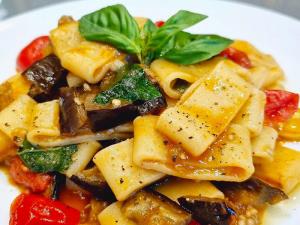
Delicatessens and rotisseries in Italy: local specialities, traditional dishes and the shops that showcase Italian flavours
Italian food culture comes to life through a vibrant network of delicatessens and rotisseries stretching from north to south. They are essential stops for anyone keen to taste the authentic cooking of Italy's regions. These shops offer more than ready-made food: they preserve family traditions, recipes handed down through generations and local specialities such as Lazio's porchetta, Sicilian arancini, Piedmontese fritto misto, lasagne from Emilia, olive all'ascolana from the Marche, and a wide range of charcuterie and local cheeses. Visitors and residents can discover seasonal produce and appetising rotisserie dishes made with quality ingredients, often linked to particular places: mozzarella from Campania, prosciutto di Parma or bread from Altamura. In every town, delicatessens also serve those seeking convenience and good food, with everything from freshly prepared first courses to fish dishes, seasonal sides and regional desserts.
🍗 Iconic dishes in Italian delicatessens and rotisseries: regional tradition and local innovation
Every Italian region has its own specialities. Delicatessens in Lombardy offer polenta and braised meat (brasato); those in Naples tempt customers with parmigiana di melanzane and gâteau di patate, while Sicily delights with panelle and sfincione. Rotisseries in Puglia serve rustici and focaccia, while game dishes are prepared in Friuli Venezia Giulia. The selection ranges from home-style meals to refined starters inspired by contemporary cooking, with choices for different needs, including vegan and vegetarian options. These shops introduce customers both to recipes treasured for generations and to innovations that show the vitality of Italian cuisine.
👉 Practical tip: for an authentic experience, visit a regional rotisserie and ask about seasonal local ingredients to discover flavours that change throughout the year.
🥟 The difference between Italian delicatessens and rotisseries: definitions, services and distinctive features
Although often confused, a delicatessen and a rotisserie play different roles in Italian tradition. Delicatessens stock fresh products and cold or ready-to-eat dishes, such as rice salads, fine sliced charcuterie and savoury pies. Rotisseries specialise in hot food: roasts, fried dishes and grilled food. Their counters differ too: delicatessens often display a wealth of local specialities, while rotisseries feature skewers, supplì and other stars of Italian street food.
👉 Practical tip: before buying, always ask about the regional specialities on sale, as many are made to local recipes that are little known elsewhere.
🍖 Traditional favourites at Italian rotisseries: from roast chicken to regional mixed fried dishes
Among the dishes that have drawn customers to Italian rotisseries for decades, spit-roast chicken takes pride of place alongside crisp roast potatoes and grilled vegetables. Mixed fried dishes are popular in many areas: stuffed courgette flowers in Lazio, zeppole and crocchè in Campania, and panelle in Palermo. Meat skewers and ribs are also much in demand. Sometimes you will find seafood dishes such as fried squid, especially in coastal towns.
👉 Practical tip: try the area's traditional fried specialities, often made with local ingredients that express its character better than any other recipe.
🥗 Italian delicatessens: everyday destinations combining food culture and modern services
Delicatessens in Italy are true temples of good food for visitors and residents alike. You can find everything for a quick lunch or a full dinner, from fresh bread to homemade pasta, varied salads and artisan charcuterie. Many delicatessens now also provide catering and delivery for customers seeking quality without sacrificing convenience. Attention to special diets and gluten-free products continues to grow to meet different needs.
👉 Practical tip: always ask where the cheeses and charcuterie come from to discover outstanding local products and enrich your food experience.
🥖 Ingredients and traditional products at Italy's regional delicatessens: a journey through flavours and aromas
Regional delicatessens are ideal places to explore distinctive ingredients, from Sardinian ricotta salata to Ligurian pesto, Tuscan ragù and Roman artichokes. Every region offers its own flavours. Many delicatessens also sell fresh filled pasta, traditional sausages and artisan preserves such as vegetables in oil and jams. Visiting a delicatessen in each region introduces you to Italy's rich food heritage and age-old methods that have remained unchanged.
👉 Practical tip: when you visit a local delicatessen, ask to sample the house traditional specialities for a fresh and engaging sensory experience.
🧀 Cheese and charcuterie specialities at Italy's delicatessens: a world of flavours to discover
Delicatessens are also known for their variety of cheeses and regional charcuterie. From Parmigiano Reggiano to Sardinian pecorino, prosciutto di San Daniele to Tuscan finocchiona, every product tells a story of tradition and place. The selection includes fresh, mature and aromatic cheeses, alongside charcuterie such as bresaola, soppressa and mortadella. Knowledgeable staff can recommend the best pairings with regional breads, wines and jams.
👉 Practical tip: ask the staff at the delicatessen to help you choose the right mature cheese to take home as a gourmet souvenir.
🥪 The role of rotisseries in Italy's urban food heritage and tourism
In many Italian cities, rotisseries have become favourite stops for residents and travellers, offering tasty prepared food throughout the day. From Milan to Palermo, they stand out for their varied selection: panzerotti, pizza by the slice, arancine, calzoni and much more. Rotisseries often provide the ideal informal meal, suited to modern schedules while retaining the quality of traditional Italian cooking.
👉 Practical tip: try street food specialities from local rotisseries, often made using traditional recipes you will not find in conventional restaurants.
🍴 Delicatessens and rotisseries as food-holiday stops: benefits for visitors, workers and families
Delicatessens and Italian rotisseries are valuable resources for travellers, workers and families, offering quality takeaway dishes and sociable experiences at affordable prices. They encourage encounters between cultures, with new food experiences every day and specialities often absent from traditional restaurant menus. From winter soups to summer pasta dishes, the variety caters to a wide range of needs.
👉 Practical tip: take a selection of traditional dishes from a rotisserie and enjoy a picnic in one of Italy's many city parks or along the coast.
🧂 How to choose a good delicatessen or rotisserie in any Italian region
To find a quality delicatessen or rotisserie, look at how popular it is with residents, the variety of dishes and the freshness of the ingredients on display. Look for artisan products and regional recognition: the best shops often display awards or work with local producers. Ask questions and let the staff recommend dishes of the day to discover delicious preparations you may not know.
👉 Practical tip: visit several delicatessens during your stay to compare flavours, regional character and preparation methods, deepening your knowledge of Italy's culinary heritage.
🥧 Italian food culture: tradition and changing food trends
In recent years, Italian food culture has evolved to embrace new needs, including greater interest in organic products, vegetarian and vegan choices, and lactose-free or gluten-free preparations. Many rotisseries now offer lighter options, gourmet salads and dishes from other cuisines reinterpreted with Italian ingredients. This adaptability helps businesses keep tradition alive while meeting the needs of an increasingly broad and cosmopolitan public.
👉 Practical tip: ask about organic dishes at the delicatessen you choose, combining good taste with an interest in sustainable, modern eating.
❓ Frequently asked questions about delicatessens and rotisseries in Italy
🍽️ What is the difference between a delicatessen and a rotisserie?
Delicatessens mainly offer cold prepared dishes, salads, cheeses, sliced charcuterie and preserves. Rotisseries focus on hot dishes such as roasts, fried foods, skewers and street food.
🥯 Which traditional dishes can I find in Italian delicatessens?
Depending on the region, you may find lasagne, parmigiana, vitello tonnato, fresh-pasta tortelli, Russian salad, caponata, local charcuterie and cold regional dishes.
🍕 What are the best-known rotisserie specialities?
Popular choices include spit-roast chicken, potato croquettes, arancini, supplì, pizza by the slice, meatballs and local fried specialities.
🥖 Can I find vegetarian or vegan products?
Many delicatessens and rotisseries now offer meat-free or plant-based options, such as salads, vegetable focaccia, chickpea balls and dishes without animal products.
🥗 What should I ask for at a local delicatessen to taste authentic specialities?
Ask which products are typical of the area and which recipes are the day's most popular. Tastings of cheeses, charcuterie or fresh seasonal dishes are often offered.
🧀 Where can I find the best regional cheeses and charcuterie?
Delicatessens are ideal: look for those that select local producers or display awards and certifications of their products' origins.
🍰 Do delicatessens also sell desserts?
Many include traditional regional sweets such as crostate, ciambelle, cassate, rice cakes (torte di riso) or local biscuits, especially during festive periods.
🍲 Can I order takeaway dishes for events?
Yes. Most offer catering or advance orders of prepared dishes for parties, dinners and gatherings, with menus that can be tailored to your needs.
🥤 Are there delicatessens suitable for people with food intolerances?
Gluten-free, lactose-free and other allergen-free options are increasingly common. Ask in advance for advice on the alternatives available.
🍽️ How much do delicatessen or rotisserie dishes usually cost?
Prices vary by area and product, but they are generally affordable, offering complete meals or quality snacks at moderate prices.
Delicatessens and Italian rotisseries are an invaluable part of the country's food culture and traditions. Through prepared dishes, local specialities and services that evolve over time, they bring local excellence within everyone's reach and showcase the richness of regional cooking. Youritaly.it provides detailed information to help you explore these businesses and discover the flavours, aromas and distinctive features that make every food journey through Italy a fresh, varied and engaging experience.