Best land restaurant on the island of Elba


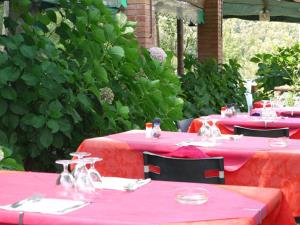
The restaurants that celebrate the cuisine of the Elba hinterland between genuine flavors and peasant traditions preserved over time.
The island of Elba preserves in the hilly hinterland a gastronomic tradition of a rich and fascinating land that deserves to be discovered as much as the seafaring one. The restaurants specializing in land cuisine are mainly concentrated in the medieval villages perched on the hills, where authentic atmospheres and breathtaking views create the ideal context to taste dishes that have their roots in peasant and pastoral culture. Traditional preparations include hearty soups of legumes and cereals, fresh pasta seasoned with meat or vegetable sauces, main courses based on game such as wild boar and hare, meat from local farms, vegetables from the garden prepared according to ancient methods handed down through generations. The restaurants in the interior enhance ingredients from the Elba area: porcini mushrooms collected in the woods, aromatic herbs from the Mediterranean scrub, sheep and goat cheeses, extra virgin olive oil produced in local olive groves, wines from island cellars. The family-run kitchens preserve recipes handed down orally where each dish tells stories of work in the fields, harvests, seasonal harvests, transforming simple ingredients into preparations that nourish body and soul with genuineness and strong flavors that represent the truest and least touristy essence of this wonderful Tuscan island.
🍲 Soups and first courses of the Elban peasant tradition.
The poor cuisine of the Elba hinterland has developed soups and first courses of extraordinary goodness born from the need to enhance simple and locally available ingredients. Bean soup with black cabbage, potatoes, tomato, stale bread is a winter dish that warms and satisfies with rustic flavors. Ribollita, an iconic Tuscan preparation also present on Elba, combines vegetables, legumes, bread in a thick soup traditionally eaten the day after the first cooking when the flavors blend perfectly. The fresh hand-pulled pappardelle are seasoned with wild boar ragout cooked slowly for hours until it falls apart, or with hare sauce scented with wild herbs. The ravioli stuffed with ricotta and herbs collected in the fields are completed in butter and sage condiments or with light fresh tomato sauce. The barley or spelt soup with seasonal vegetables offers complete nourishment using ancient cereals still grown on the terraces of Elba. Homemade potato gnocchi accompany meat sauces or vegetable condiments according to seasonal availability.
👉 What to do and useful tips: traditional soups express maximum flavor when prepared with fresh seasonal vegetables, so favor those proposed as a dish of the day that use freshly harvested ingredients according to the availability of the moment.
🥩 The second courses between local meats and game from the Elba woods.
The second courses of Elba's cuisine celebrate domestic meats and game with preparations that enhance genuine flavors. The wild boar is unquestionably the protagonist: braised in local red wine with aromatic herbs, stewed with black olives and tomato, served as a tasty stew accompanied by polenta. The locally bred rabbit is cooked cacciatore style with tomato, olives, capers or roasted with potatoes, rosemary, garlic according to tradition. Lamb from Elba pastures finds expression in baked preparations with potatoes and herbs from the Mediterranean scrub, or in scottadito with grilled ribs. Artisanal pork sausages flavored with wild fennel are enjoyed grilled or stewed with cannellini beans. Seasonal kid characterizes the spring menus with traditional baked cooking. Offal such as tripe and livers testify to the cuisine of recovery that enhanced every part of the animal without waste. The preparations favor slow cooking that softens the meat, enhancing its aromas and flavors through marinades, braising, patient stewing.
👉 What to do and useful tips: wild boar is more available and of higher quality during the autumn and winter months when the hunting season is active, so plan visits during this period to enjoy the preparations at the optimal time.
🌿 Vegetables from the garden and side dishes that complement traditional dishes.
The cuisine of Elba also celebrates vegetables and garden products in preparations that deserve attention equal to the main dishes. Cannellini beans cooked with fresh tomato, sage, garlic are a classic side dish for meats that balances the richness of animal proteins. Roasted potatoes with rosemary collected in the maquis accompany second courses, enriching them with texture and earthy flavor. Black cabbage stewed with extra virgin olive oil from Elba and chilli pepper offers characteristic bitter notes. The chard sautéed in a pan with garlic is a simple but effective preparation. Spring artichokes are offered sautéed, stuffed, fried according to seasonality. Eggplants find their place in parmesan, grilled, preserved in oil. Roasted and peeled peppers seasoned with oil and capers offer summer freshness. Field salads with wild herbs collected in the meadows bring wild flavors to the table. Autumn porcini mushrooms are sautéed with garlic and mint, baked au gratin, used as a condiment for pasta and meat.
👉 What to do and useful tips: do not underestimate vegetable side dishes by limiting yourself to the classics, but explore seasonal proposals that often include ancient vegetables or lesser-known traditional preparations of great gastronomic and cultural interest.
🧀 Local cheeses and artisanal cured meats in territorial tastings.
The appetizers and platters of the restaurants in Elba enhance cheeses and cured meats that represent the artisan excellence of the island territory. Sheep's cheeses produced with milk from flocks raised on pasture on the island range from fresh and creamy versions to aged ones with pronounced spicy and aromatic notes. Fresh sheep or goat ricotta is used both in the fillings of fresh pasta and served with local chestnut or strawberry tree honey. Goat's cheese has a particular delicacy appreciated by those who prefer less intense flavors than pecorino cheese. The artisanal cured meats include seasoned Tuscan ham, fennel scented with wild fennel seeds, dried sausages, lard flavored with herbs from the maquis. Some local producers make wild boar cured meats such as prosciutto, salami, sausages that capture the intense flavors of game. The platters are completed with honey from different blooms of the Elba Mediterranean scrub, mustards, local fruit compotes, homemade Tuscan bread silly according to tradition.
👉 What to do and useful tips: when ordering a mixed platter, ask the staff to describe the origin and characteristics of the products served to fully appreciate the work of local artisans and the peculiarities that distinguish Elba productions.
🍷 Pairings with Elba wines from island wineries.
The wine lists in the restaurants of the land favor labels from Elba wineries that go perfectly with traditional dishes. The Rosso dell'Elba DOC obtained mainly from Sangiovese grapes with the addition of other varieties has medium body, elegant tannins, fruity notes that dialogue beautifully with red meats, game, tasty preparations such as stewed wild boar. The more structured and aged Riserva support particularly intense dishes by offering superior aromatic complexity. Aleatico dell'Elba DOCG, a sweet raisin red wine, is used both as an accompaniment to aged cheeses and traditional desserts, creating daring but successful combinations. Some producers offer red wines for aging with maturation in barriques that develop spicy notes. Elba white wines such as Procanico accompany more delicate appetizers and first courses. The island's wineries produce limited quantities, guaranteeing high quality and distinctive characteristics linked to the particular terroir made up of mineralized soils, sea breeze, sunny exposures. The trained staff suggests pairings by enhancing lesser-known but very interesting local producers.
👉 What to do and useful tips: get advice from the sommelier or the dining room staff on the combinations between ordered dishes and Elba wines, favoring local producers to live a completely territorial gastronomic experience that enhances the island's wine excellence.
🏔️ The villages of the hinterland where you can find the best traditional restaurants.
Restaurants specializing in land cuisine are concentrated in hilltop villages that preserve the most authentic gastronomic traditions. Marciana, perched on the slopes of Monte Capanne at over 370 meters above sea level, is home to rustic trattorias where peasant cuisine is proudly preserved in historic stone buildings. Poggio, a panoramic hamlet with breathtaking views of the sea and hills, boasts characteristic rooms housed in ancient buildings that serve preparations handed down for generations. San Piero in Campo, in the western granite area between abandoned quarries and terraced vineyards, offers family-run restaurants where the recipes follow seasonal rhythms. Capoliveri, a medieval village on the south-eastern coast with an intact historic center, combines historical atmosphere and quality gastronomic proposals. Rio nell'Elba, an ancient mining center surrounded by chestnut woods, houses taverns where the cuisine reflects traditions linked to the world of miners. These villages offer not only excellent cuisine but also evocative environmental contexts with cobbled alleys, panoramic squares, historic buildings that create authentic atmospheres far from mass seaside tourism.
👉 What to do and useful tips: plan a trip to the hinterland by dedicating the afternoon to visiting the historic villages, churches, local museums and then conclude with a dinner in one of the typical restaurants, combining culture and gastronomy in a complete experience.
🏡 The rustic atmospheres and panoramic locations of traditional restaurants.
The restaurants in the hinterland of Elba offer environments that complete the gastronomic experience with warm and welcoming atmospheres. The internal rooms obtained in ancient buildings preserve historical architectural elements: barrel stone vaults, exposed chestnut beams, handmade terracotta floors, monumental fireplaces that during the winter are lit creating physical warmth and emotional conviviality. Rustic furnishings include solid wood tables, traditional straw chairs, antique sideboards, objects of peasant culture displayed as decoration that tell stories of the past. The panoramic terraces allow you to dine outdoors during the warm months enjoying spectacular views of the terraced hills planted with vineyards, the centuries-old olive groves, the Tyrrhenian Sea in the distance that creates fascinating chromatic contrasts. The outdoor gardens among centuries-old olive trees offer evening freshness scented by the Mediterranean scrub with rosemary, thyme, lavender. Soft lighting with wrought iron lamps, candles on the tables, warm lights creates romantic intimacy. The attention to detail of the set-up, the cleanliness of the spaces, traditional checkered tablecloths testify to respect for guests.
👉 What to do and useful tips: during the winter months, favor rooms with a lit fireplace to experience particularly suggestive and warm atmospheres, while in summer opt for panoramic terraces where you can enjoy the pleasant temperatures and breathtaking sunsets.
👨 🍳 The family-run kitchens that preserve recipes handed down.
Many of the best land restaurants on Elba are family-run where recipes are passed down orally through generations. These authentic trattorias do not follow contemporary gastronomic fashions but maintain absolute fidelity to traditional preparations using ancient techniques such as prolonged marinades, slow terracotta cooking, simple condiments that enhance the quality of the raw material without masking it. Grandmothers in the kitchen represent custodians of precious culinary knowledge: they know how to recognize edible mushrooms, dose spices instinctively without scales, manage cooking times without a timer following experience acquired over decades. The menus written by hand on blackboards change according to seasonality and daily availability, reflecting the philosophy of spontaneous cuisine linked to the territory and natural rhythms. The welcome in these familiar rooms creates warm atmospheres where customers are treated as guests at home rather than simple numbers to be served quickly. The generous portions reflect the peasant tradition of abundance and hospitality. The value for money is generally excellent with affordable rates that prioritize the value of genuine food.
👉 What to do and useful tips: in family restaurants, do not hesitate to ask the owners for suggestions directly on the preparation of the day or on the specialties of the house, showing interest in their work and the tradition they represent.
💰 The price ranges and the value of the gastronomic experience offered.
Prices in land restaurants on Elba are generally lower than in fish restaurants while maintaining high quality standards. Appetizers with platters of local cold cuts and cheeses range from 10 to 18 euros. Soups and first courses are around 10-16 euros depending on the complexity of the preparation. Second courses of meat cost an average of 14-22 euros for traditional preparations such as wild boar, rabbit, lamb, while more valuable cuts can reach 25-30 euros. Side dishes range from 4 to 7 euros. A complete meal with appetizer, first course, second course, side dish, dessert, wine costs an average of 35-55 euros per person depending on the choices made. Restaurants with exceptional panoramic locations or greater fame charge slightly higher prices justified by the context and quality. The quality-price ratio is generally excellent considering the genuineness of the ingredients, generous portions, authentic atmospheres. Some places offer fixed menus at an advantageous price that allow you to taste more traditional courses at a low cost.
👉 Do's and useful tips: Consider tasting menus when available, as they allow you to sample more traditional specialties at great prices than ordering à la carte and offer a complete overview of the restaurant's cuisine.
❓ F.A.Q. - Frequently asked questions about land restaurants on the island of Elba.
🔸 What is the difference between land restaurants and seafood restaurants on Elba?
The land restaurants focus on inland cuisine with meats, game, vegetables, legumes, cereals reflecting peasant and pastoral traditions. Seafood restaurants favor fish and seafood. Geographically, land restaurants are mainly located in inland hill villages while seaside restaurants are located in coastal resorts, although some places offer mixed menus.
🔸 Are land restaurants open all year round?
Many restaurants in the hinterland follow the tourist seasonality by opening from March-April to October-November. Some family-run establishments in the main villages remain open even in winter serving local customers, often only on weekends with reduced hours. Full winter closure is common in smaller venues. Always check availability from November to March.
🔸 What are the traditional dishes that should not be missed?
Pappardelle with wild boar ragout is an unmissable classic of Elba cuisine. Stewed wild boar with olives and rabbit alla cacciatora are other recommended specialties. Ribollita and legume soups testify to the peasant tradition. Local sheep's milk cheeses and artisanal cured meats complete the local gastronomic experience.
🔸 Is it possible to find vegetarian options in land restaurants?
Absolutely, traditional Tuscan cuisine naturally includes many vegetable dishes: legume soups, ribollita, pasta with fresh tomato sauce, grilled or stewed vegetables, beans all'uccelletto. Communicating vegetarian preferences at the time of booking allows restaurants to prepare varied proposals. Some preparations can be easily adapted by eliminating animal ingredients.
🔸 How do you reach the inland villages where the restaurants are located?
The hilltop villages can be reached via paved but often narrow and winding provincial roads that require careful driving. From Portoferraio travel times vary from 20 to 40 minutes depending on the destination. Parking in the historic centers is limited with limited traffic zones, so park in the areas indicated at the entrance to the villages and proceed on foot.
🔸 How much do meals cost on average in traditional restaurants?
A complete meal with appetizer, first course, second course, side dish, dessert and wine costs an average of 35-55 euros per person, significantly less than in fish restaurants. The portions tend to be generous according to peasant tradition. The quality-price ratio is generally excellent considering the genuineness of the ingredients and authentic atmospheres.
🔸 Are portions large in traditional restaurants?
Yes, the portions reflect the generosity of the Tuscan peasant tradition and tend to be generous. The first courses are substantial, the second courses accompanied by generous side dishes. Those with a moderate appetite can consider ordering only appetizer and first course, or sharing courses. Communicating preferences allows restaurateurs to adjust quantities.
🔸 Are children welcome in the restaurants in the hinterland?
Families are always welcome. The family-run restaurants have a special focus on children, preparing small portions or simple dishes such as pasta with tomato sauce, steaks, roast chicken. Some rooms have outdoor spaces where children can move freely. Communicating the presence of small children at the time of booking makes it easier to organize.
🔸 Is it necessary to make reservations to dine in land restaurants?
During the summer months and on weekends, reservations are recommended to secure a table, especially in the most renowned restaurants. On weekdays during the week in the low season it may be possible to find a place without a reservation. Calling early avoids disappointment and allows you to check opening hours and availability.
🔸 Which Elba wines go best with meat dishes?
Rosso dell'Elba DOC is the perfect territorial pairing for red meats and game, with medium body and elegant tannins. The more structured Riserva versions support particularly tasty dishes such as stewed wild boar. Aleatico passito accompanies aged and sweet cheeses. The staff will be able to recommend specific labels from local producers.
Discovering the best land restaurants on the island of Elba means embarking on a journey into the most authentic gastronomic traditions of the island hinterland, where genuine dishes tell stories of peasant cultures, work in the fields, knowledge handed down through generations. The medieval villages perched on the hills guard family-run trattorias where each preparation celebrates simple ingredients transformed into courses rich in meaning and genuine flavor. The hearty soups, fresh pasta, slow-cooked meats, vegetables from the garden represent a culinary heritage that deserves to be valued as much as the natural beauty of the island. The rustic atmosphere, the breathtaking views, the warm welcome complete experiences that nourish body and spirit, creating indelible memories of a lesser-known but equally fascinating Elba. Youritaly.it offers visibility to the traditional restaurants specializing in land cuisine that operate in the hinterland of Elba, allowing visitors and gastronomy enthusiasts to identify places where culinary traditions are preserved with passion and where each course testifies to the deep link between cuisine, territory and cultural identity of an extraordinary island that knows how to surprise with the richness of its cuisine as much as with the beauty of its landscapes and villages historical ones.