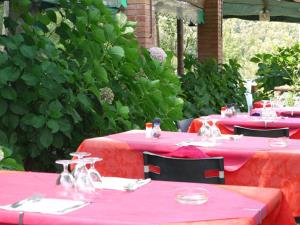
The restaurants that celebrate the gastronomic traditions of the Elba hinterland between ancient dishes and genuine local flavors.
The island of Elba offers much more than the renowned seafood cuisine: the hilly hinterland preserves a gastronomic tradition of the land deeply rooted in the peasant and pastoral culture that has characterized life in mountain villages for centuries. Restaurants with typical land cuisine enhance this culinary heritage by offering dishes that tell stories of hardships in the fields, seasonal harvests, family farms, knowledge handed down orally for generations. Traditional recipes include hearty soups of legumes and cereals, fresh pasta seasoned with meat or vegetable sauces, main courses based on game and local meats, vegetables from the garden prepared according to ancient methods. The specialized restaurants are concentrated in the inland villages such as Marciana, Poggio, San Piero, Rio nell'Elba, where the authentic atmosphere of the historic stone centers creates the perfect context to taste preparations that celebrate simplicity and genuineness. The ingredients come from small local producers, family gardens, mountain pastures, woods where mushrooms and wild herbs grow, guaranteeing freshness and traceability that transform every meal into a journey into the truest gastronomic culture of the Tuscan island. 🍲 Soups and first courses that represent the Elban peasant tradition.
The poor cuisine of the Elba hinterland has developed over time soups and first courses of extraordinary goodness born from the need to exploit simple and available ingredients. Bean soup with kale, potatoes, tomato and stale bread is a winter classic that warms and nourishes. Ribollita, an iconic Tuscan dish also present on Elba, combines vegetables, legumes, bread in a dense and tasty preparation traditionally eaten the day after the first cooking. Fresh hand-pulled pappardelle are seasoned with slow-cooked wild boar sauce, hare sauce, or more simply with fresh tomato and basil. The ravioli stuffed with ricotta and herbs collected in the fields are completed in butter and sage condiments. Pasta and chickpeas, enriched with rosemary and garlic, testifies to the centrality of legumes in the traditional diet. Homemade potato gnocchi accompany meat sauces or vegetable dressings. Barley or spelt soups with seasonal vegetables offer complete nourishment using ancient cereals still grown on the island.
👉 What to do and useful tips: traditional soups express maximum flavor when prepared following seasonal recipes, so favor those proposed as a dish of the day that use freshly harvested vegetables according to the availability of the moment. 🥘 The second courses of land that characterize the menus of typical restaurants.
The second courses of Elba land cuisine range from domestic meats to game, from elaborate preparations to simpler ones. The rabbit is prepared cacciatore style with tomato, olives, aromatic herbs, or roasted with potatoes and rosemary. Locally raised free-range chicken finds expression in baked, stewed, or fried recipes according to tradition. Lamb and goat, particularly present in spring menus, are cooked in the oven with potatoes, garlic, herbs from the Mediterranean scrub. Artisanal pork sausages, flavored with wild fennel, are enjoyed grilled or stewed with beans. The wild boar represents the king of game: braised in red wine, stewed, transformed into tasty stew. Tripe and offal testify to the cuisine of recovery that wasted nothing. The livers wrapped in the net with bay leaves are a typical specialty. The preparations favor slow cooking that softens the meat, enhancing its flavors.
👉 What to do and useful tips: always ask what is the specialty of the house or the traditional family dish of the restaurant, since often the most authentic and memorable recipes are those handed down personally by the owners. 🌿 Vegetable side dishes and garden products in traditional preparations.
Elba's land cuisine also celebrates vegetables and garden products in preparations that deserve attention equal to the main dishes. Beans all'uccelletto cooked with tomato, sage, garlic are a classic side dish for meats. Roasted potatoes with rosemary accompany second courses, enriching them with texture and flavor. Black cabbage stewed with extra virgin olive oil and chilli pepper offers balanced bitter notes. The chard sautéed in a pan with garlic is a simple but effective preparation. Artichokes are offered sautéed, stuffed, fried according to spring seasonality. Aubergines find space in parmesan, grilled, in oil. Roasted and peeled peppers seasoned with oil and capers offer summer freshness. Field salads with wild herbs collected in the meadows bring wild flavors to the table. Autumn porcini mushrooms are sautéed, au gratin, used as a condiment. Each vegetable is treated with respect, enhancing its natural characteristics through appropriate cooking and measured seasonings.
👉 What to do and useful tips: do not underestimate vegetable side dishes by limiting yourself to the classics, but explore seasonal proposals that often include forgotten vegetables or lesser-known traditional preparations of great gastronomic interest. 🧀 Local cheeses and artisanal cured meats in the gastronomic proposals.
The appetizers and platters of Elba's restaurants include cheeses and cold cuts that represent the artisan excellence of the area. Sheep's milk cheeses produced with milk from flocks raised on pasture on the island range from fresh and creamy versions to aged ones with spicy and aromatic notes. Fresh ricotta is used both in fillings and served with local honey. Goat's cheese has a particular delicacy appreciated by those who prefer less intense flavors. Artisanal cured meats include seasoned Tuscan ham, fennel scented with fennel seeds, dried sausages, lard flavored with herbs. Some local producers make wild boar cured meats such as ham, salami, sausages that capture the flavors of game. The platters are completed with honey from different blooms of the Mediterranean scrub, mustards, fruit compotes, homemade Tuscan bread. The presentation takes care of aesthetic details, transforming the appetizer into a moment of conscious tasting that introduces the flavors of the meal.
👉 What to do and useful tips: when ordering a mixed cutting board, ask the staff to describe the origin and characteristics of the products served to fully appreciate the work of local artisans and the peculiarities of each element. 🍰 The traditional desserts that conclude the meal according to Tuscan custom.
The traditional pastries of Elba reflect Tuscan influences with simple preparations that enhance genuine ingredients. The schiaccia briaca, a dense and spicy dessert prepared with red wine, raisins, pine nuts, walnuts, is a classic that accompanies the autumn and winter months. The castagnaccio, made with chestnut flour, pine nuts, raisins, rosemary, testifies to the use of berries in poor cuisine. The almond cantucci, dry biscuits traditionally soaked in Vin Santo, end the meal with measured sweetness. The tart with local fruit jams offers appreciable rustic simplicity. Tiramisu prepared according to a classic recipe also finds space on Elba menus. Panna cotta flavored with vanilla or accompanied by berries is a lighter dessert. Some restaurants offer traditional family desserts such as puddings, creams, semifreddos. The pairing with dessert wines such as Aleatico dell'Elba passito completes the gastronomic experience with elegance.
👉 What to do and useful tips: always leave room for traditional dessert even after a hearty meal, perhaps sharing it among diners, to complete the gastronomic experience by discovering the restaurant's interpretation of classic recipes of Tuscan pastry. 🏡 The rustic atmospheres and characteristic environments of typical restaurants.
The restaurants in the hinterland of Elba offer environments that complete the gastronomic experience with authentic atmospheres. The internal rooms created in ancient buildings preserve historical architectural elements: stone vaults, chestnut exposed beams, terracotta floors, monumental fireplaces that during the winter are lit creating warmth and conviviality. Rustic furnishings include solid wood tables, straw chairs, antique sideboards, traditional peasant objects displayed as decoration. The panoramic terraces allow you to dine outdoors during the warm months enjoying spectacular views of the terraced hills, vineyards, the sea in the distance. The outdoor gardens among centuries-old olive trees offer evening freshness scented by the Mediterranean scrub. Soft lighting with wrought iron lamps, candles on the tables, warm lights creates intimacy. The background music, when present, remains discreet, favoring conversations. The attention to detail in the set-up, the cleanliness of the spaces, the care in the mise en place testify to respect for guests.
👉 What to do and useful tips: during the winter months, favor rooms with fireplaces to experience particularly suggestive and warm atmospheres, while in summer opt for outdoor spaces where you can enjoy pleasant temperatures and views illuminated by the sunset. 🍇 The relationship with local producers and the zero-kilometer philosophy.
The best land restaurants on Elba build direct relationships with local producers, farmers, breeders, guaranteeing a short supply chain and superior quality. Owned or contracted gardens provide fresh vegetables harvested daily as needed. Family farms provide meat from animals raised on pasture with natural feed. Local hunters provide game during the authorized months. The island's wine cellars provide wines that accompany the dishes creating territorial harmonies. The mills produce extra virgin olive oil used abundantly in the preparations. Artisan bakeries bake Tuscan bread according to traditional recipes. This network of suppliers creates a circular economy that supports local production, guarantees complete traceability, and allows restaurateurs to personally know their origin and production methods. The zero-kilometer philosophy is not just marketing but an ethical choice that enhances the territory, reduces environmental impact, and supports the local community.
👉 What to do and useful tips: favor restaurants that openly declare their sources of supply and relationships with local producers, a sign of transparency and concrete commitment to the quality and sustainability of the preparations offered. 👥 The attentive service and warm welcome typical of family restaurants.
The service in traditional Elba restaurants reflects values of hospitality and human warmth that go beyond technical professionalism. The owners often personally welcome guests, illustrate the proposals of the day, recommend combinations, tell stories related to the dishes and the territory. The dining room staff shows patience in explaining ingredients and preparations, adapting to special needs, creating a cordial relationship with customers. Knowledge of the products allows you to answer questions, suggest alternatives for intolerances, describe organoleptic characteristics. Serving times respect the natural rhythms of traditional cuisine: some dishes require preparations that cannot be accelerated without compromising quality. The attention to detail is manifested in the table service, in the care in presenting the dishes, in checking liking, in offering digestives or homemade limoncello. The final greeting and the invitation to return conclude experiences where you feel like welcome guests rather than simple customers.
👉 What to do and useful tips: showing appreciation for the service received and the quality of the preparations communicates respect for the work done and helps to keep alive traditions of hospitality that characterize these authentic places. 📍 Practical information to reach and visit the restaurants inside.
Planning your visit to inland restaurants requires some logistical considerations. The hilltop villages can be reached via paved but often narrow and winding provincial roads that require careful driving, particularly after dark. Signs indicate the main population centers but some restaurants in more isolated locations may require precise telephone directions. Parking in historic villages is limited with limited traffic zones: park in the areas indicated at the entrance to the centers and proceed on foot. Telephone booking is always recommended, allowing you to check availability, opening hours, weekly closing days. Dinner times generally start from 19:30-20:00. Consider the travel times from the coastal resorts: from Portoferraio to the inland villages it takes 20-40 minutes depending on the destination. Check accepted payment methods as some smaller establishments prefer cash. During the winter many restaurants close or only open weekends, so check beforehand.
👉 What to do and useful tips: combine dinner with an afternoon visit of the chosen village, exploring alleys, churches, viewpoints before sitting down at the table, transforming the gastronomic outing into a complete cultural experience. ❓ F.A.Q. - Frequently asked questions about restaurants with land cuisine on the island of Elba.
🔸 What is the difference between land cuisine and seafood cuisine on Elba?
The land cuisine favors inland ingredients such as meat, game, vegetables, legumes, cereals, cheeses, reflecting peasant and pastoral traditions. Seafood cuisine focuses on fish, crustaceans, molluscs. Historically, the two traditions corresponded to distinct geographical areas: coast for fish, inland for land. Today many restaurants offer both but specialized establishments maintain a specific focus.
🔸 Are land-based restaurants cheaper than seafood?
Generally yes, prices tend to be slightly lower because land raw materials have lower costs on average than quality fresh fish. A full meal costs an average of 25-40 euros per person compared to 35-50 euros in fish restaurants. The quality-price ratio is still excellent in both cases.
🔸 Is it possible to find vegan dishes in traditional restaurants?
Traditional Tuscan cuisine naturally includes many plant-based dishes that can be adapted by eliminating animal ingredients. Legume soups, pasta with tomato sauce, grilled vegetables, salads are vegan options. Communicating food preferences at the time of booking allows restaurants to prepare suitable proposals even if they are not on the standard menu.
🔸 What are the best months to enjoy the cuisine of Elba?
Autumn is the richest period with the arrival of porcini mushrooms, chestnuts, grapes, the opening of wild boar hunting. Winter offers hearty dishes such as soups, stews, braised meats. Spring brings fresh vegetables and lamb. Summer favors lighter preparations. However, each season has interesting proposals related to the availability of ingredients.
🔸 Are the restaurants in the hinterland open all year round?
Many restaurants follow the tourist seasonality by opening from March-April to October-November. Some family-run establishments in the main villages remain open in winter serving local clientele, often only on weekends. Full winter closure is common in smaller venues or isolated locations. Always check availability in the cold months.
🔸 What are the portions like in traditional restaurants?
The portions reflect the generosity of the Tuscan peasant tradition and tend to be generous. The first courses are substantial, the second courses accompanied by generous side dishes. Those with a moderate appetite can consider ordering an appetizer and a first course, or sharing courses. Communicating preferences allows restaurateurs to adjust quantities.
🔸 Is it necessary to dress elegantly to dine in typical restaurants?
Clothing can remain casual even if neat. Traditional inland restaurants maintain a casual atmosphere where you feel comfortable with comfortable clothing. During the summer shorts and t-shirts are acceptable, in the winter heavier clothing is appropriate considering that some rooms can have cool temperatures.
🔸 Do the restaurants accept large groups?
Many restaurants can accommodate groups of 10-15 people with advance reservation. Some have private rooms or can reserve dedicated areas. For large groups it is essential to contact well in advance allowing the restaurant to organize itself with staff, ingredients, fittings. Fixed menus for groups facilitate service.
🔸 What local wines are served in land restaurants?
The restaurants favor Elba wines such as Rosso dell'Elba DOC ideal for meats, Bianco dell'Elba for appetizers, Aleatico passito for dessert. The wine lists also include Tuscan labels from other areas. Taking advice from the staff allows you to discover small local producers with limited but high quality productions.
🔸 Is it possible to buy the products used in restaurants?
Many restaurateurs gladly provide contacts of local producers of cured meats, cheeses, wines, oil. Some have small direct sales of selected products. The farms and cellars can often be visited with direct purchase. The weekly markets in the various municipalities offer typical products. Asking restaurant staff about it opens up opportunities for discovery.
Exploring the restaurants with typical land cuisine on the island of Elba means immersing yourself in an authentic gastronomic dimension that celebrates peasant traditions, genuine flavors and recipes handed down through generations. The villages of the hinterland preserve family-run restaurants where each dish tells stories of work in the fields, seasonal harvests, grazing farms, transforming simple ingredients into preparations full of meaning and flavor. The hearty soups, fresh pasta, slow-cooked meats, vegetables from the garden represent a culinary heritage that deserves to be discovered and enhanced as much as the natural beauty of the island. The warm welcome, the rustic atmosphere, the evocative views complete experiences that nourish body and spirit creating indelible memories. Youritaly.it offers visibility to the traditional restaurants operating in the hinterland of Elba, allowing visitors and gastronomy enthusiasts to identify places where the culinary traditions of the land are preserved with passion and where each course testifies to the deep link between cuisine, territory and cultural identity of an extraordinary island that knows how to surprise with the richness of its cuisine as much as with the beauty of its landscapes.