Best restaurant with typical meat cuisine on the island of Elba


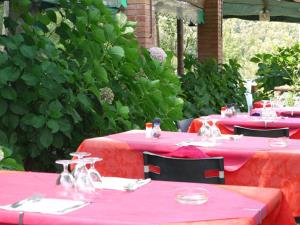
The restaurants specialising in traditional meat dishes on the famous Tuscan island between ancient flavours and breathtaking views.
When you think of the island of Elba, the imagination immediately runs to the crystal clear sea and fresh fish dishes, yet this jewel of the Tuscan archipelago preserves an equally rich and fascinating culinary tradition of land. The restaurants with typical meat cuisine on the island enhance recipes handed down for generations, preparations that have their roots in the peasant and pastoral culture of the hilly inland areas. Elba's carnivorous gastronomy celebrates fine cuts, local game, artisanal sausages and rustic preparations that tell the story of the deep bond between the territory and the table. The specialized restaurants are mainly located inland, among medieval villages perched on the hills, where the authentic atmosphere and the views ranging from the vineyards to the sea create unique contexts for memorable gastronomic experiences. The kitchens of these restaurants process meats from local farms, wild boars hunted in the woods of Elba, lamb and goat grown on pasture, transforming them into hearty dishes that satisfy even the most demanding palates with strong and genuine flavors that represent the truest and least known soul of this beautiful Tuscan island.
🥩 The traditional meat dishes that characterize the cuisine of Elba.
The culinary tradition of meat on Elba boasts typical preparations that deserve to be discovered and tasted. The wild boar is undoubtedly the absolute protagonist: stewed with tomato, black olives, aromatic herbs after marinating for a long time in red wine, or proposed as a thick and tasty ragout to season fresh pappardelle. Beef stew cooked slowly for hours until it falls apart, served with soft polenta or roasted potatoes, is a classic of rustic winter cuisine. Lamb and kid are prepared in the oven with potatoes, rosemary, garlic, or cacciatore with peppers and olives. Mixed grills feature selections of beef cuts, artisanal sausages, pork ribs, often accompanied by local grilled vegetables. Pork livers wrapped in net and flavored with wild fennel are an ancient specialty. Tripe and offal find space in traditional preparations that recover the poor peasant cuisine. Each dish is enriched with aromatic herbs collected in the Mediterranean scrub of Elba.
👉 What to do and useful tips: ask the restaurateur about the seasonal specialties of the moment, since preparations such as wild boar are more available in the autumn and winter months when hunting is active and the meat reaches optimal quality.
🍷 Wine pairings with local wines from the Elba area.
The island of Elba produces wines of remarkable quality that go perfectly with traditional meat dishes. The Rosso dell'Elba DOC in its various interpretations, obtained mainly from Sangiovese grapes with the addition of other varieties, has medium body, elegant tannins and fruity notes that dialogue beautifully with red meats and game. Aleatico dell'Elba DOCG, a sweet raisin red wine, is used both as an accompaniment to desserts and in daring combinations with aged cheeses or sweet and sour preparations. Some producers offer more structured and tannic red wines for aging, ideal for stews and braised meats that require important counterpoint. Elba white wines such as Procanico are served with appetizers and first courses. The island's wineries, which can often be visited, produce limited quantities guaranteeing high quality and distinctive characteristics linked to the particular terroir made up of mineralized soils, sea breeze, sunny exposures. The specialized restaurants take care of wine lists that favor local producers, allowing you to discover lesser-known but very interesting wine excellences.
👉 What to do and useful tips: get advice from the sommelier or the dining room staff on the combinations between ordered dishes and Elba wines, favoring local producers to live a completely territorial gastronomic experience that enhances the excellence of the island.
🏔️ The villages of the hinterland where you can find the best meat restaurants.
Unlike the coastal resorts dedicated to fish, the restaurants specializing in meat are mainly concentrated in the hilltop villages of the Elba hinterland. Marciana, perched on the slopes of Monte Capanne, is home to rustic trattorias where the peasant culinary tradition is preserved with pride. Poggio, a panoramic hamlet with breathtaking views, boasts characteristic rooms housed in ancient stone buildings. San Piero in Campo, in the western granite area, offers family-run restaurants where recipes have been handed down for generations. Capoliveri, a medieval village on the south-eastern coast, combines historical atmosphere and quality gastronomic proposals. Rio nell'Elba, an ancient mining center, preserves taverns where the cuisine reflects traditions linked to the world of miners. These villages offer not only excellent cuisine but also evocative environmental contexts: cobbled streets, panoramic squares, historic buildings that create authentic atmospheres far from mass seaside tourism. In the evening, when the lights come on and the scents of the kitchens pervade the alleys, these centers offer experiences that go beyond the simple meal.
👉 What to do and useful tips: plan a trip to the hinterland by dedicating the afternoon to visiting the historic villages and their beauties and then conclude with a dinner in one of the typical restaurants, combining culture and gastronomy in a complete experience.
🌿 The local ingredients that enrich the meat preparations.
The quality restaurants on Elba enhance local ingredients that complement and enrich the meat dishes. The aromatic herbs collected in the Mediterranean scrub of Elba include rosemary, thyme, sage, wild fennel, myrtle that smell roasts and stews. The extra virgin olive oil produced in the local olive groves, with fruity and spicy notes, dresses grilled meats or accompanying salads. Porcini mushrooms harvested in the woods during autumn complement meat dishes with intense woodland flavors. Potatoes grown in Elba's mineral soils develop a particular consistency, ideal for roasted side dishes. Legumes such as cannellini beans and chickpeas are used in hearty soups or as an accompaniment. The silly Tuscan bread made according to tradition is used as a scarpetta in savory sauces. Seasonal vegetables such as kale, chard, artichokes offer vegetable counterpoints to animal proteins. Even the honey produced by bees that forage on the Mediterranean scrub finds application in sweet and sour preparations or to glaze roast meats.
👉 What to do and useful tips: inquire about the origin of the ingredients used, favoring restaurants that declare a short supply chain and direct relationships with local producers, a guarantee of freshness and authenticity in the preparations offered.
👨 🍳 The family-run kitchens that preserve traditional recipes.
Many of the best meat restaurants on Elba are family-run, where recipes are handed down orally from mother to daughter, from father to son. These authentic trattorias do not follow gastronomic fashions but maintain absolute fidelity to traditional preparations, using ancient techniques such as prolonged marinades, slow cooking, simple condiments that enhance the quality of the raw material. Grandmothers in the kitchen represent custodians of precious culinary knowledge: they know how to recognize the best cuts, dose spices instinctively, manage cooking times without timers. The handwritten menus change according to seasonality and availability, reflecting the philosophy of spontaneous cuisine linked to the territory. The welcome in these familiar rooms creates warm atmospheres where customers are treated as guests at home rather than as numbers. The generous portions reflect the peasant tradition of abundance. The quality-price ratio is generally excellent, with rates that favor accessibility while maintaining high quality standards. These restaurants represent garrisons of authentic gastronomic culture that deserve to be discovered and enhanced.
👉 What to do and useful tips: in family restaurants, do not hesitate to ask the owners for suggestions directly on the preparation of the day or on the specialties of the house, showing interest in their work and the tradition they represent.
🍽️ The tasting menus that tell the culinary tradition of Elba.
Some restaurants offer tasting menus dedicated to traditional meat cuisine, allowing you to taste several specialties in a single meal. These gastronomic itineraries typically begin with mixed appetizers that include local cold cuts, croutons with wild boar pate, bruschetta with livers. The first courses feature fresh pasta such as pappardelle with wild boar sauce, tagliatelle with hare sauce, ravioli stuffed with meat. The main courses offer tastings of several main courses: a stewed wild boar medallion, roast lamb, sliced local beef. Side dishes include grilled vegetables, roasted potatoes, beans all'uccelletto. The meal ends with traditional Tuscan desserts such as schiaccia briaca or castagnaccio. Pairing with selected local wines completes the experience. These menus allow a complete overview of the local cuisine, making them ideal for first-time visitors. Prices generally vary between 35 and 55 euros per person depending on the processing and inclusion of wines.
👉 What to do and useful tips: tasting menus generally require advance booking allowing the restaurant to adequately prepare the courses, then communicate the interest at the time of booking by specifying any intolerances or food preferences.
🌅 The panoramic locations that enrich the gastronomic experience.
Many restaurants in the hinterland of Elba offer terraces and panoramic rooms with spectacular views that add value to the dining experience. The views of the sea from elevated positions allow you to admire the entire coast, the nearby islands of the archipelago, the sunsets that tinge the Tyrrhenian Sea red. The mountain panoramas embrace Monte Capanne, the terraced valleys planted with vineyards, the chestnut woods. Some places have outdoor gardens under pergolas or among centuries-old olive trees where you can dine during the warm months breathing in the scents of the Mediterranean scrub. The internal rooms obtained in ancient stone buildings preserve historical architectural features with barrel vaults, monumental fireplaces, rustic furnishings that create evocative atmospheres. During the winter, the lit fireplace adds warmth and conviviality. The soft evening lighting, the candles on the tables, the attention to detail of the setting complete contexts where dinner becomes a multisensory experience that involves sight, smell, taste in perfect harmony.
👉 What to do and useful tips: when booking, specify your preference for panoramic outdoor tables if available, particularly appreciated during summer evenings when temperature and visibility allow you to fully enjoy the breathtaking views.
📅 Seasonality that influences the availability of traditional dishes.
The traditional meat cuisine on Elba follows seasonal rhythms that influence the availability and quality of the preparations. Autumn represents the golden season for enthusiasts: the opening of the hunt brings fresh wild boar, the arrival of porcini mushrooms, the harvest that inspires dishes linked to the winemaking tradition. Winter sees stews, braised meats, hearty dishes that warm up like stews and soups with meat. Spring introduces lamb and goat traditionally eaten during the Easter period, fresh vegetables that accompany lighter meats. Summer favors grills, grilled meats, less elaborate preparations suitable for the hot climate. Many restaurants adapt their menus following this natural cyclicality: marinated wild boar is more available from October to February, while baked lamb characterizes spring menus. Hunting provides fresh game during the fall and winter months when regulations permit. Understanding these dynamics helps you choose the best time to enjoy specific specialties.
👉 What to do and useful tips: plan your visit to Elba considering the seasonality of the desired preparations, with autumn offering the widest range of traditional meat and game dishes at the highest quality time.
💡 Practical tips for organizing dinner in typical restaurants.
Properly organizing your visit to Elba's meat restaurants significantly improves the experience. Reservations are always recommended, especially on weekends and during the summer months when even the restaurants in the hinterland see a high turnout. Communicating the number of diners allows you to prepare adequate tables. Dinner times follow Tuscan tradition with service generally starting from 19:30-20:00. Arriving with an adequate appetite is important as portions tend to be generous according to peasant tradition. The budget must consider that a complete meal with appetizer, first course, second course, side dish, dessert and wine costs an average of 30-45 euros per person. Many restaurants accept credit cards, but some smaller restaurants prefer cash. Clothing can remain casual even if neat. Consider that inland villages require car travel with winding roads, so moderate your alcohol consumption if you drive. Leaving positive reviews helps these traditional establishments to make themselves known.
👉 What to do and useful tips: when booking, ask for precise directions on how to reach the restaurant as some places are located in poorly marked areas of the historic villages where satellite navigators may not be accurate.
❓ F.A.Q. - Frequently asked questions about meat restaurants on the island of Elba.
🔸 Are meat restaurants open all year round on Elba?
Most restaurants in the hinterland open from March-April to October-November following the tourist season. Some family-run restaurants in the main villages remain open even in winter serving local customers, but with reduced hours and often only on weekends. Always check availability before planning a visit in the winter months.
🔸 How much does a full dinner cost on average in a typical restaurant?
A complete meal with appetizer, first course, second course with side dish, dessert, coffee and house wine costs an average of 30-45 euros per person. The most renowned restaurants or with particularly panoramic locations may have slightly higher prices. The quality-price ratio is generally very good considering quality, ingredients and generous portions.
🔸 Is it possible to find vegetarian options in restaurants specializing in meat?
Many restaurants offer vegetarian alternatives such as pasta with tomato sauce, grilled vegetables, legume soups, vegetable pies. Traditional Tuscan cuisine includes several plant-based dishes. However, it is advisable to communicate any dietary preferences at the time of booking so that the restaurant can prepare suitable proposals.
🔸 Are inland restaurants within easy driving distance?
The hilltop villages are connected by paved but often narrow and winding roads typical of the mountain area. Driving requires attention but does not present any particular difficulties. Restaurants generally have parking nearby or indicate areas where you can leave your car. During the summer, traffic can increase but remains manageable.
🔸 What are the dishes that you absolutely must not miss?
Pappardelle with wild boar ragout is an unmissable classic, as is stewed wild boar with olives. Beef stew and baked lamb with potatoes are other recommended specialties. For those who love strong flavors, pork livers and preparations with offal offer authenticity. Always ask for the dishes of the day that use fresh ingredients.
🔸 Are children welcome in traditional restaurants?
Families are always welcome. Family-run restaurants have a special focus on children, often preparing small portions or simple dishes such as pasta with tomato sauce, steaks, fried potatoes. Some rooms have outdoor spaces where children can move more freely. Communicating the presence of small children at the time of booking makes it easier to organize.
🔸 Is it necessary to speak Italian or does the staff know other languages?
In the most touristy restaurants, the staff generally speaks English and sometimes other languages. In smaller, family-run establishments, knowledge of foreign languages may be limited, but communication is still done with patience and sympathy. Menus translated or with images facilitate the understanding of the proposals.
🔸 Can you buy the local products used in restaurants?
Many restaurants have direct relationships with local producers and can provide information on where to buy cured meats, cheeses, wines, oil used in their preparations. Some have small direct sales of selected products. The wine cellars can often be visited with the possibility of direct purchase. Local markets offer typical products.
🔸 Which Elba wines go best with red meats?
Rosso dell'Elba DOC is the classic combination for red meats and game, with medium body and elegant tannins. The more structured reserves support particularly tasty dishes such as stewed wild boar. Taking advice from the staff allows you to discover labels from small producers that are less known but of great quality.
🔸 Is it possible to book special menus for special occasions?
Many restaurants gladly organize dinners for birthdays, anniversaries, special events with personalized menus, decorations, cakes. Contacting in advance allows you to agree on details, any special requests, dedicated set-ups. Some venues have private rooms for groups who want more privacy during important celebrations.
Discovering the restaurants specializing in typical meat cuisine on the island of Elba means embarking on a gastronomic journey into the most authentic and lesser-known soul of this extraordinary territory. The traditional preparations of wild boar, lamb, local meats tell stories of peasant traditions, recipes handed down, genuine flavors that resist time and fashions. The villages of the hinterland are home to family-run trattorias where the passion for cooking is manifested in every dish, using local ingredients prepared according to ancient techniques that enhance quality and flavor. The panoramic locations, the local wines, the warm welcome complete experiences that go beyond the simple meal and turn into moments of sharing and cultural discovery. Youritaly.it offers visibility to the traditional restaurants operating in the hinterland of Elba, allowing tourists and gastronomy enthusiasts to identify places where culinary traditions are proudly preserved and where each course represents a journey into the authentic flavors of insular Tuscany, giving unforgettable memories of an island that knows how to amaze not only for its natural beauty but also for the richness of its cuisine.