Delicacies and excellences of Umbria

Delicacies and excellences of Umbria: a journey into the green heart of Italy among typical products, ancient flavors and gastronomic traditions that resist time with extraordinary consistency.
Umbria is the only Italian peninsular region landlocked, a geographical condition that has profoundly shaped its typical Umbrian cuisine: a land gastronomy, linked to woods, pastures, rivers and plains cultivated with cereals, legumes and vegetables. The typical products of Umbria express an essential food philosophy, where the quality of the raw material prevails over any elaboration. From the black olives of Trevi pressed in the historic mills to the lentils of Castelluccio di Norcia IGP, from the Umbrian butchery renowned throughout Italy to the prized black truffle of Norcia, every Umbrian gastronomic excellence is the result of a deep and respectful relationship with a territory that has remained among the most intact in Italy, capable of offering the visitor genuine flavors that are difficult to replicate elsewhere.
🫒 Umbrian extra virgin olive oil: a green and precious liquid among the olive groves of the green region of Italy.
Umbrian PDO extra virgin olive oil is one of the region's most identifying products, divided into five sub-zones — Colli Assisi-Spoleto, Colli Martani, Colli Amerini, Colli del Trasimeno and Colli Orvietani — each with its own aromatic characteristics linked to the local soils and microclimates. The prevailing native varieties are Moraiolo, Frantoio and Leccino, which give Umbrian oil intense herbaceous notes, a strong fruitiness and a strong spicy and bitter aftertaste. The Trevi area, in the Foligno area, is considered one of the most suitable for the production of extra virgin olive oil of the highest quality, with olive groves that date back in some cases to medieval times. The harvest takes place between October and November, and the new Umbrian oil is a gastronomic event awaited with great interest by connoisseurs from all over the world.
👉 What to do and useful tips: visit the historic oil mills of Trevi and the Umbrian Valley during the pressing period to taste the Umbrian DOP extra virgin olive oil freshly pressed on toasted bread; many farms offer guided tours through the olive groves and direct sales with the possibility of buying Moraiolo monocultivar oil in limited quantities, among the most appreciated by connoisseurs.
🐷 Umbrian pork butchery: cured meats, sausages and pork processing that have made Norcia famous in the world.
The term 'norcino' has entered the Italian vocabulary as a synonym for expert in pork processing, testifying to the fame that Norcia has been able to gain over the centuries in this field. Umbrian pork butchery includes an extraordinary variety of products: the PGI Norcia ham, aged at high altitude in the Sibillini mountains for at least twelve months, develops an unmistakable dry and aromatic flavor. Umbrian salami, capocollo, loin, guanciale and mazzafegato — a sausage spiced with liver typical of the peasant tradition — complete a repertoire of charcuterie that differs area by area. The historic shops of Norcia, with their windows full of hanging cured meats, are among the most evocative images of the Umbrian gastronomic landscape.
👉 What to do and useful tips: in Norcia it is possible to visit traditional butchery workshops that explain the stages of pork processing and offer tastings of Norcia PGI ham, salami and Umbrian capocollo; the Black Truffle and Typical Products of Norcia Fair, in February, is the ideal opportunity to buy artisanal cured meats directly from the producers in a festive context rich in tradition.
⚫ The black truffle of Norcia and the Scorzone: an underground treasure that smells of the Umbrian forest and history.
The prized black truffle of Norcia (Tuber melanosporum) is one of the most famous and sought-after products of the entire Italian gastronomy. Harvested between December and March in the Turkey oak, downy oak and hornbeam woods of the Sibillini Mountains and the Umbrian-Marche Apennines, it develops an intense and persistent aroma that clearly distinguishes it from other black truffles. The city of Norcia and the surrounding area are the world heart of the production and trade of the prized black truffle. The black summer truffle, called Scorzone (Tuber aestivum), and the bianchetto truffle complete the seasonality of the harvest. Spoleto and the municipalities of Valnerina are also renowned for the quality of the truffles collected in the local woods, feeding an artisanal supply chain of great economic and cultural value.
👉 What to do and useful tips: take part in a guided excursion in search of black truffles in the woods around Norcia and Spoleto, accompanied by a professional hunter with his own trained dog; many farms and cooperatives in the area organize these experiences by reservation, with a final tasting of truffle products and the possibility of buying fresh Norcia truffles directly on site.
🌾 Castelluccio lentils and Umbrian legumes: small seeds with a great history and a unique flavor.
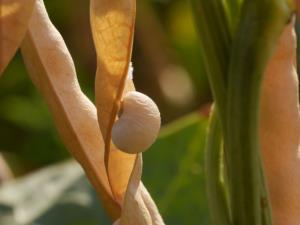
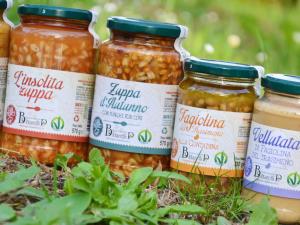
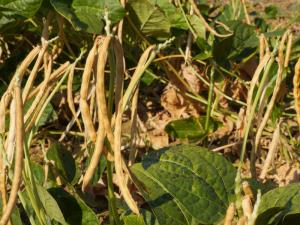
The lentils of Castelluccio di Norcia PGI are among the finest legumes in Italy and one of the symbolic products of the whole of Umbria. Grown on the Castelluccio plateau, at over 1,400 meters above sea level in the Sibillini Mountains, in an environment of rare naturalistic beauty, these lentils are distinguished by their very small size, very thin skin that does not require prior soaking and sweet and earthy flavor at the same time. The flowering of the plateau between June and July, when the fields are tinged with iridescent colors, is a natural spectacle that attracts thousands of visitors every year. Alongside lentils, Umbria produces cicerchie, roveja — an ancient Slow Food presidium legume — and small-scale borlotti beans that enrich the tradition of regional soups and minestrones.
👉 What to do and useful tips: visit the Castelluccio di Norcia plateau between June and July to witness the spectacular flowering of the cultivated fields and buy fresh IGP lentils directly from local producers; at other times of the year it is possible to find the lentils of Castelluccio packaged in the markets of nearby villages such as Norcia, Visso and Preci, where you can also find the roveja and the cicerchia in an artisanal version.
🍷 The wines of Umbria: Sagrantino di Montefalco, Orvieto Classico and other regional denominations.
Umbrian viticulture expresses its best around the native Sagrantino grape variety, exclusive to the territory of Montefalco and its surroundings. Sagrantino di Montefalco DOCG is one of the most tannic and long-lived red wines in Italy, with an imposing structure that requires years of aging to express itself at its best; The passito version, produced with partially dried grapes, is a natural dessert of great complexity. Montefalco Rosso DOC, with a lower percentage of Sagrantino and a more immediate profile, is an excellent introduction to the territory. Orvieto Classico DOC, produced in the tuffaceous hills around the medieval town of Orvieto, is the main regional white wine: delicate, fresh and versatile. Torgiano Rosso Riserva DOCG, in the area between Perugia and Foligno, completes the Umbrian wine scene with a red wine of great elegance.
👉 What to do and useful tips: the village of Montefalco, nicknamed the 'Railing of Umbria' for its panoramic viewpoint, is home to wineries and producers of Sagrantino DOCG who offer guided tastings with pairings with typical local products; the Sagrantino Road connects the municipalities of Montefalco, Bevagna, Gualdo Cattaneo and Giano dell'Umbria in a food and wine route through vineyards and oil mills open all year round.
🧀 Umbrian cheeses: from Pecorino di Norcia to the dairy productions of the Apennine valleys.
The Umbrian dairy tradition is closely linked to sheep and goat breeding in the mountainous and hilly areas of the region. Pecorino di Norcia, produced with whole sheep's milk in the Valnerina and in the territories surrounding the Sibillini Mountains, comes in fresh, semi-aged and seasoned versions, with a flavor that progressively intensifies with aging. The Umbrian Caciotta, soft and semi-cooked, is widespread throughout the region in many local variations, often enriched with black truffle, aromatic herbs or pepper. Umbrian fossa cheese, aged in tuffaceous caves according to a tradition common to the regions of Central Italy, develops complex hints of undergrowth, mushroom and earth that make it a highly sought-after niche product.
👉 What to do and useful tips: in the weekly markets of Norcia, Cascia and Spoleto it is possible to find aged Umbrian Pecorino, artisanal caciotta and truffle cheeses produced by small breeders in the Valnerina and the Sibillini Mountains; Some producers accept visits to the company by appointment, offering the opportunity to assist in cheesemaking and buy fresh products directly from the wheel.
🍰 Umbrian sweets and traditional pastries: rocciata, torcolo and pinoccate between sacred and profane.
Traditional Umbrian pastry has its roots in the conventual culture and religious festivities that marked the agricultural calendar of the region. The rocciata of Assisi and Foligno, a roll of puff pastry filled with apples, walnuts, raisins, dried figs and spices, is one of the oldest desserts of the regional tradition, still prepared according to recipes handed down from family to family. The torcolo di San Costanzo, a leavened doughnut with candied fruit and anise seeds typical of Perugia, is traditionally prepared on January 29 in honor of the patron saint of the city. Pinoccate, sugar and pine nut sweets in white and dark versions, are another Perugian specialty with a long tradition. The Terni gingerbread, rich in spices, dried fruit and honey, closes a confectionery panorama of great character and variety.
👉 What to do and useful tips: during the Christmas and Easter holidays, the artisan pastry workshops of Perugia, Assisi and Foligno produce rocciata, torcolo and pinoccate in limited quantities following traditional recipes; it is the best time to buy these typical Umbrian sweets and bring them as a gift, accompanied by a bottle of Sagrantino passito for a combination of great territorial coherence.
🌿 Spelt, ancient cereals and products of Umbrian organic farming between Gubbio and Valnerina.
Umbria is one of the Italian regions with the highest percentage of organic cultivated area, a condition that has favored the rediscovery and enhancement of ancient cereal varieties that have almost disappeared. Einkorn spelt and spelt grown in the mountain areas of Valnerina and Gubbio are the basis of wholemeal breads, soups and pasta of great nutritional and aromatic value. Senatore Cappelli wheat, an ancient and robust variety of durum wheat, is grown by small organic farmers in different areas of the region and transformed into stone-ground flours. The medicinal herbs of the Valnerina — thyme, oregano, wild mint and lemon balm — feed a small artisanal production of herbal teas, condiments and herbal products that are highly appreciated in the local markets.
👉 What to do and useful tips: in the organic and farmers' markets of Perugia, Terni and Spoleto it is increasingly common to find producers who directly bring spelt flours, stone-ground Senatore Cappelli wheat and medicinal herbs from Valnerina; Buying these products means contributing to the survival of rare agricultural varieties and supporting a local economy that makes environmental sustainability its strong point.
🛒 Markets, fairs and shops: where to find and buy Umbrian gastronomic excellence in the area.
The Umbrian territory offers a widespread system of markets, agri-food fairs and craft shops that allow visitors to come into direct contact with the producers of regional gastronomic excellence. The Black Truffle Market Exhibition in Norcia, the Montefalco Wine Fair, the Gaite Market in Bevagna — which brings medieval shops back to life — and the festivals dedicated to lentils in Castelluccio, Sagrantino and Umbrian extra virgin olive oil make up a calendar of gastronomic events of great interest. The weekly markets of Perugia, Spoleto, Orvieto and Assisi offer fresh and processed products with a short supply chain every week, while the shops of the historic villages of Valnerina and the Martani Hills are silent guardians of a food tradition that deserves to be discovered calmly.
👉 What to do and useful tips: before organizing a trip to Umbria, consult the calendar of Umbrian festivals and gastronomic events to plan the stages to coincide with the most significant events; many fairs provide free admission, guided tastings of wine, oil, truffles and Umbrian pork butchery and markets where you can buy typical Umbrian products directly from the producers with the guarantee of certified origin.
❓ F.A.Q. - Frequently asked questions about the delicacies and excellences of Umbria.
⚫ What is the difference between black truffle of Norcia and black summer truffle?
The prized black truffle of Norcia (Tuber melanosporum) is harvested between December and March and has an intense and persistent aroma, with a very high commercial value. The black summer truffle, called Scorzone (Tuber aestivum), is harvested from May to September, has a less intense aroma and a more affordable price, but is still widely used in Umbrian and Marche cuisine.
🌾 Do Castelluccio lentils require soaking before cooking?
No, Castelluccio di Norcia PGI lentils do not require prior soaking thanks to their very thin skin. This characteristic, linked to the pedoclimatic conditions of the Castelluccio plateau, makes them very practical to cook and significantly reduces preparation time compared to other legumes.
🐷 What is PGI Norcia ham and how does it differ from other Italian hams?
Prosciutto di Norcia PGI is produced exclusively in the mountain area around Norcia, at a minimum altitude of 500 metres, with a maturation period of at least twelve months. It stands out for its dry and slightly spicy flavor, with a darker outer crust than the sweet hams of Northern Italy, the result of the mountain environment and the traditional processing method.
🍷 Why is Sagrantino di Montefalco considered such a special wine?
Sagrantino is a native grape variety grown almost exclusively in the territory of Montefalco, in Umbria. The wine it produces is known to have one of the highest tannin contents among Italian reds, which makes it very long-lived but also in need of long bottle maturation. Sagrantino di Montefalco DOCG is often recommended at least five years after the vintage to fully appreciate its complexity.
🫒 How many sub-zones does the PDO of Umbrian extra virgin olive oil have?
The protected designation of origin of Umbrian extra virgin olive oil is divided into five sub-zones: Colli Assisi-Spoleto, Colli Martani, Colli Amerini, Colli del Trasimeno and Colli Orvietani. Each sub-area has different aromatic and taste characteristics, linked to the varieties of olive tree grown and the environmental conditions of the area.
🧀 What is fossa cheese and where is it produced in Umbria?
Fossa cheese is a dairy product aged in caves dug into the tuff, where it is buried for a period of about three months. In Umbria it is mainly produced in the area of Città di Castello and in some areas of Ternano, developing intense hints of undergrowth, mushroom and earth during aging that make it highly sought after by lovers of cheeses with character.
🍰 What is rocciata and in which cities in Umbria is it traditionally prepared?
Rocciata is a traditional Umbrian dessert made with rolled puff pastry filled with apples, walnuts, dried figs, raisins, pine nuts and spices such as cinnamon and nutmeg. It is mainly prepared in Assisi and Foligno, where the recipe has very ancient historical roots; Each family has its own variations of the filling, making this dessert a symbol of the local culinary diversity.
🌿 Where is roveja found and what exactly is it?
Roveja is an ancient legume, similar to wild peas, traditionally cultivated on the Castelluccio plateau and in some areas of the Valnerina. A Slow Food Presidium, it had almost fallen into disuse but has been recovered by small farmers in recent decades. It has a bitter and earthy taste, is consumed in rustic soups and soups and is mainly available in the farmers' markets of central Umbria.
🛒 When is the best time to visit Umbria for its gastronomic excellence?
Autumn is by far the richest period from a gastronomic point of view: from October to December black truffles, new oil, porcini mushrooms and chestnuts are harvested, and the main regional gastronomic fairs are held. Spring is also interesting, with the flowering of Castelluccio in June and the first fresh lentils, while February is the ideal time for the Black Truffle and Typical Products of Norcia Fair.
🎉 What are the most important food festivals in Umbria?
Among the most significant events are the Black Truffle and Typical Products Fair of Norcia in February, the Lentil Festival of Castelluccio in summer, the Gaite Market of Bevagna in June, the Enologica of Montefalco dedicated to Sagrantino and the numerous autumn festivals dedicated to Umbrian extra virgin olive oil in the olive growing municipalities of the Umbrian Valley and the Martani Hills.
The delicacies of Umbria tell the story of a region that has chosen to remain true to itself: no compromise on the quality of raw materials, no simplification of traditional production processes, no surrender in the face of the homologation of tastes. Every Umbrian gastronomic excellence — from the black truffle of Norcia to the lentils of Castelluccio IGP, from the Sagrantino di Montefalco DOCG to the DOP extra virgin olive oil of the five hilly sub-areas — brings with it a precise territory, a season, an artisanal gesture handed down with care. Knowing the typical products of Umbria means learning to orient yourself between denominations, seasonality and producers, consciously choosing what really deserves attention. Youritaly.it accompanies users in the discovery of the production realities and places where this tradition is kept alive every day, from the woods of Valnerina to the olive groves of the Martani Hills, from the plateau of Castelluccio to the cellars of Montefalco, in the green heart of an Italy that never ceases to surprise.