Visit an educational farm with cuisine in Umbria to discover agricultural traditions and genuine flavors.
Spending time on an educational farm in Umbria is an educational and engaging experience that allows you to come into direct contact with the agricultural world and the rural traditions of the region. The educational farms with kitchens offer significant added value, integrating the educational aspect with culinary workshops where you can discover how typical Umbrian products are prepared. These structures welcome families, school groups and visitors interested in understanding the production processes that lead from the field to the table, enhancing the peasant culture and the flavors of the Umbrian tradition. During the visits, you can get up close and personal with farm animals, participate in vegetable harvesting, watch milking, prepare cheese and knead bread according to recipes handed down through generations. The kitchen becomes the place where the products of the land can be transformed into genuine dishes, under the guidance of experts who explain techniques and secrets of regional gastronomy. This combination of hands-on learning and culinary discovery makes Umbrian educational farms perfect destinations for those looking for authentic experiences in the green heart of Italy. 🌾 Agricultural activities in Umbrian educational farms.
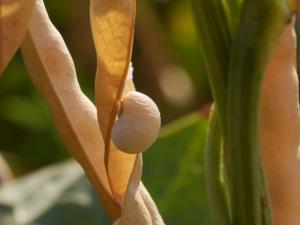
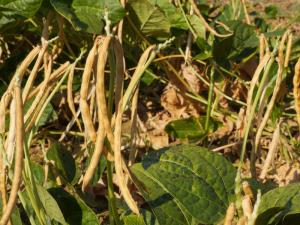
The educational farms in Umbria offer a range of activities related to agricultural production cycles, varying according to the season and the specializations of the company. During spring and summer, visitors can participate in vegetable picking in organic gardens, grape harvesting in vineyards, or olive harvesting in autumn. Activities include planting, watering, caring for aromatic plants, and picking fruit from trees. Many farms grow ancient cereals such as spelt from Valnerina, traditional legumes such as lentils from Castelluccio and vegetables typical of Umbrian cuisine. Participants learn to recognize different plant varieties, understand the importance of crop rotation and discover the principles of sustainable agriculture. The explanations provided by the farmers enrich the experience with practical notions on seasonality, organic farming techniques and respect for the environment. These activities are particularly educational for children, who can see first-hand where the food they consume daily comes from.
👉 What to do and useful tips: wear comfortable clothing and closed shoes suitable for walking in the countryside during the visit to the petting zoo, also bring a hat to protect yourself from the sun in the middle of the day. 🐄 Contact with farm animals.
One of the main attractions of Umbrian educational farms is the possibility of interacting with farm animals in a protected and safe environment. Cows, sheep, goats, pigs, chickens, rabbits, donkeys and horses populate these rural spaces, allowing visitors, especially children, to approach the animal world with respect and curiosity. Activities include feeding the animals, brushing the horses, collecting eggs in the chicken coop, and in some cases, assisting with the milking of cows or sheep. The operators explain the characteristics of each species, their habits, their diet and the importance they have in the economy of the farm. Children learn about the production cycle of milk, eggs, wool and meat, developing a greater awareness of the origin of food products. Direct contact with animals promotes the development of empathy, teaches respect for living beings and transmits the values of care and responsibility. The farms guarantee high safety standards, with animals accustomed to human presence and qualified staff who supervise all interactions.
👉 What to do and useful tips: teach children to approach the animals calmly and gently, always following the instructions of the farm operators to ensure the safety and well-being of the animals. 👨 🍳 Cooking workshops with farm products.
The presence of the kitchen in the educational farms allows you to organize culinary workshops where agricultural products can be transformed into typical preparations of the Umbrian tradition. Under the guidance of experts, participants learn how to prepare fresh pasta such as strangozzi, pappardelle and umbricelli, kneading flour and water with their own hands. The workshops include the preparation of homemade bread baked in a wood-fired oven, the production of ricotta and fresh cheeses using freshly milked milk, the creation of tomato preserves, jams and pickles. The preparation of traditional desserts such as rocciata, tozzetti and ciaramicola completes the educational offer. During these workshops, not only practical techniques are transmitted, but also the stories and traditions linked to each recipe, the cultural significance of certain dishes and the importance of the seasonality of the ingredients. At the end of the activities, participants can often taste what has been prepared or take home the products made, creating a tangible memory of the experience.
👉 What to do and useful tips: actively participate in cooking workshops by asking questions to experts on traditional techniques and take notes of recipes so that you can replicate them at home with local products. 🏛️ The discovery of Umbrian rural traditions.
The educational farms in Umbria act as custodians of regional rural traditions, handing down ancient knowledge related to peasant life. During the visits, the operators tell how life took place in the Umbrian countryside in past centuries, showing traditional agricultural tools, explaining artisanal processing techniques and illustrating the peasant festivals linked to seasonal cycles. The culture of sharecropping, which characterized the Umbrian rural economy until after the Second World War, is explained through testimonies and historical reconstructions. Visitors discover trades that have almost disappeared such as that of the charcoal burner, the transhumant shepherd, the miller and the cheesemaker. Farms often preserve native plant varieties and local animal breeds at risk of extinction, contributing to agricultural biodiversity. The transmission of this knowledge to the new generations represents an important cultural value that goes beyond the purely economic aspect of agricultural activity, helping to keep the territorial identity of the Umbria region alive.
👉 What to do and useful tips: ask the operators to tell you anecdotes and stories related to Umbrian peasant life to enrich the visit with the narrative and cultural dimension of rural traditions. 🍷 The tasting of typical Umbrian products.
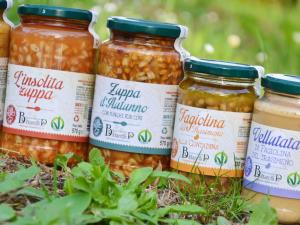
Many educational farms with cuisine in Umbria organize tastings of the products made on the farm or in the surrounding area. DOP extra virgin olive oil, wines such as Sagrantino di Montefalco, Torgiano Rosso Riserva and Grechetto, aged pecorino cheeses, cured meats such as capocollo and porchetta, honey of different floral varieties, legumes such as Castelluccio lentils and spelt are presented explaining their organoleptic characteristics and production methods. The tastings are often accompanied by in-depth studies on the designation of origin, traditional production techniques and food pairings. Local bread, bruschetta with new oil, fresh cheeses with artisanal jams make up genuine tables that celebrate the simplicity of Umbrian cuisine. These sensory experiences allow you to appreciate the quality of the raw materials and understand the deep link between territory, climate and flavors. The possibility of buying products directly from the farm guarantees freshness, traceability and direct support to the local agricultural economy.
👉 What to do and useful tips: during the tastings, take note of the typical Umbrian products that you appreciate most in order to buy them directly from the farm or look for them later from local producers in the region. 👨 👦 👧 👩 Visits suitable for families with children.
The educational farms in Umbria are specifically designed to accommodate families with children, offering activities suitable for different age groups. The little ones can feed the animals, collect eggs, participate in treasure hunts in the fields and play in areas equipped with swings, slides and wooden games. Older children are involved in more structured activities such as cooking workshops, planting in the vegetable garden, building scarecrows or preparing bird feeders. The explanations are adapted to the level of understanding of the participants, using simple languages, educational games and practical activities that keep the attention high. Many farms have covered spaces for indoor activities in bad weather, shaded picnic areas and adequate toilets even for the little ones. The duration of the visits is calibrated to prevent children from getting excessively tired, generally between 2 and 4 hours. These experiences contribute to the cognitive, motor and emotional development of children, teaching them the value of food, respect for nature and animals.
👉 Do's and tips: Bring wet wipes, a change of clothes for the kids, and sunscreen, as petting zoo activities can get your clothes dirty and require you to stay outdoors. 🏫 Educational proposals for schools.
Umbrian educational farms actively collaborate with schools, offering structured educational paths that integrate curricular educational programs. School visits are organized by appointment, with personalized programs based on the age of the students and the educational objectives of the teachers. For kindergartens, activities focus on sensory contact with natural materials, animal observation and simple creative workshops. Primary schools explore issues such as the life cycle of plants, the food chain, seasonality and the transformation of agricultural products. Secondary schools deal with more complex topics such as sustainable agriculture, production chains, biodiversity and environmental issues related to intensive agriculture. The farms provide teaching materials, worksheets and support teachers in the preparation of visits and follow-up in the classroom. These field experiences enrich theoretical learning with the practical dimension, making concepts more concrete and memorable.
👉 What to do and useful tips: if you are a teacher, contact the educational farm well in advance to agree on a personalized program that integrates with the educational objectives of your class. 🌳 The environmental dimension and sustainability.
Educational farms in Umbria actively promote the culture of environmental sustainability and respect for nature. Many companies adopt organic or biodynamic farming practices, avoiding the use of chemical pesticides and synthetic fertilizers. During the visits, the principles of the circular economy applied to agriculture are illustrated: the composting of organic waste, the recycling of rainwater, the use of renewable energy such as solar panels and biomass. Visitors learn about the importance of biodiversity, observing how hedges, ponds and woods are home to wildlife useful for the balance of the agricultural ecosystem. The farms explain the concept of the ecological footprint of food, comparing the routes of local and seasonal products with those imported from afar. The environmental education transmitted in these contexts contributes to forming more aware citizens, capable of making responsible food choices and understanding the impact of their consumption habits on the environment.
👉 Do's and useful tips: Look at the farm's sustainable practices and ask for explanations of how they could be replicated even on a small scale in a domestic or urban setting. 📅 The seasonality of activities on farms.
The activities offered by educational farms in Umbria vary significantly according to the seasons, following the natural rhythms of agriculture. In spring, visits focus on planting, flowering fruit trees, giving birth to animals and harvesting the first vegetables. Summer allows you to harvest ripe vegetables, watch the growth of cereals, participate in threshing and prepare tomato preserves. Autumn brings the grape harvest, the olive harvest, the chestnut and mushroom harvest, the preparation of jams and the bottling of new oil. Winter, the quietest season for agriculture, lends itself to indoor workshops such as the preparation of bread, fresh pasta, traditional sweets and activities related to the processing of preserved products. Each season therefore offers unique and complementary experiences, allowing those who visit the same farm several times to always discover different aspects of the annual agricultural cycle. This variability makes each visit a new and seasonally appropriate experience.
👉 What to do and useful tips: plan your visit to the educational farm according to the seasonal activities that interest you most, contacting the property to find out the calendar of activities during the year. 🏡 The possibility of staying in a farmhouse.
Many educational farms in Umbria are integrated with agritourism facilities that offer overnight accommodation, allowing you to extend the rural experience beyond the simple daily visit. The apartments or rooms are generally obtained from old renovated farmhouses, furnished with rustic taste and equipped with modern comforts. Staying at the farm allows you to fully experience the rhythms of the countryside, witnessing the awakening of the animals at dawn, participating in morning activities and enjoying the tranquility of the evening. Breakfasts with fresh farm products, dinners with traditional Umbrian dishes prepared with zero-kilometer ingredients and the possibility of participating in several workshops during the stay enrich the experience. These farmhouses are often located in panoramic positions, immersed in hilly landscapes of vineyards and olive groves, offering opportunities for walks, cycling and relaxation in contact with nature. The formula of the stay in a farmhouse with an educational farm is an ideal solution for family holidays in the name of discovery and well-being.
👉 What to do and useful tips: check the availability of accommodation packages that include overnight stay, meals and participation in educational activities to optimize the quality-price ratio of the farm experience. ❓ F.A.Q. - Frequently asked questions about educational farms with kitchen in Umbria.
👨 👩 👧 Are educational farms suitable for children of all ages?
Yes, educational farms offer activities differentiated by age group, from pre-school children to teenagers. The activities are adapted to the participants' level of understanding and motor skills, ensuring that everyone can have an appropriate and engaging experience. Adults also find the visits interesting and educational.
💰 How much does a visit to an educational farm cost on average?
Costs vary according to the duration of the visit, the activities included and the services offered. A half-day guided tour with workshops generally costs between 10 and 20 euros per child, with reductions for school groups. Experiences that include meals, tastings, or culinary workshops may cost more. Many farms offer advantageous family packages.
📅 Is it necessary to book in advance?
Yes, reservations are generally required to allow the farm to properly organize activities, prepare the necessary materials and ensure the presence of qualified operators. During weekends and high season, it is advisable to book at least one to two weeks in advance. Schools should contact farms months in advance.
🍽️ Is lunch included in the visits?
It depends on the type of experience booked. Some farms include lunch with farm products in the price, others offer the possibility of having a packed lunch in equipped picnic areas, others offer additional menus on request. It is important to check what is included when booking and to communicate any special dietary requirements.
🌧️ Do the activities take place even in case of rain?
Many educational farms have covered spaces where indoor workshops can be held in case of bad weather. The activities are adapted to the weather conditions, favoring cooking workshops, product processing and creative activities. In case of prohibitive conditions, the visit can be postponed to another agreed date.
🚗 How do you reach educational farms in Umbria?
Most of the educational farms are located in rural areas of Umbria, which can be reached mainly by car. The structures provide precise indications on how to reach them, considering that satellite navigators can sometimes suggest suboptimal routes in the countryside. Some farms close to inhabited centers can also be reached by public transport combined with short walking distances.
🧑 🌾 Who conducts the educational activities?
The activities are conducted by operators trained specifically for farm teaching, often the farmers themselves supported by environmental educators or pedagogy experts. These professionals possess both agricultural technical and communication skills, being able to transmit knowledge in an effective and engaging way to audiences of different ages.
🛍️ Can I buy farm products?
Yes, almost all educational farms have a point of sale where you can buy farm products: oil, wine, cheeses, cured meats, honey, preserves, legumes and cereals. Many also sell products made during the workshops. Direct purchasing supports the local agricultural economy and guarantees fresh and traceable products.
👗 How should you dress to visit a farm?
It is advisable to wear comfortable and practical clothing that can get dirty, preferably layered to adapt to changes in temperature. Closed and comfortable shoes are essential, avoiding open sandals or delicate footwear. A sun hat, sunscreen and a light jacket complete the ideal equipment for a day on the farm.
🐕 Can pets be brought?
Generally, educational farms do not allow access to pets to avoid problems with farm animals and for hygienic-sanitary reasons, especially in areas where food workshops are held. It is important to check the farm's specific policy at the time of booking if you wish to bring your pet.
Visiting an educational farm with kitchen in Umbria means embarking on an educational journey that connects the land to culinary traditions, offering practical and educational experiences for all ages. These structures represent fundamental cultural garrisons that preserve ancient agricultural knowledge, enhance typical Umbrian productions and promote a conscious food culture based on seasonality and the quality of raw materials. Cooking workshops allow you to transform the products of the earth into traditional preparations, transmitting recipes and techniques that risk being lost in the context of modern society. Contact with animals, participation in agricultural activities and the discovery of natural cycles enrich children and adults with practical knowledge that develops respect for nature and awareness of the origin of food. Youritaly.it enhances these agricultural realities that combine production, education and hospitality, contributing to the promotion of sustainable rural tourism that represents an important resource for the economy and cultural identity of the Umbria region.