Where to buy the best desserts and the best homemade cakes in Campania


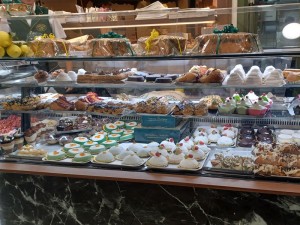
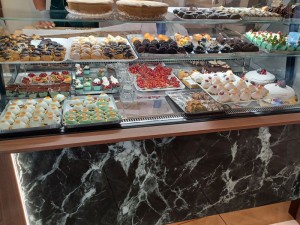
Where to buy the best desserts and the best homemade cakes in Campania.
Campania boasts one of the richest and most celebrated pastry traditions in Italy, with a confectionery heritage that has its roots in centuries of history, Mediterranean cultural influences and craftsmanship handed down through generations of pastry chefs who have elevated the art of confectionery to an expression of regional identity. Finding out where to buy the best homemade sweets and cakes in this region means embarking on a gastronomic journey that ranges from crunchy Neapolitan sfogliatelle to Easter pastiere scented with wheat and orange blossom, from rum-soaked babà to delicious lemon from the Amalfi Coast, from chocolate caprese cake to zeppole di San Giuseppe filled with cream, from lobster tails to hazelnut-scented cakes from Benevento. Campania's artisan pastry shops represent presidia of excellence where tradition and innovation coexist harmoniously, with master pastry chefs who respect documented historical recipes using local ingredients of exceptional quality such as Sorrento IGP lemons, IGP Giffoni hazelnuts, buffalo ricotta from Campania, while creatively experimenting with contemporary reinterpretations that keep a dynamic gastronomic heritage alive. Understanding the regional confectionery geography, recognizing the characteristics that identify authentic shops and identifying specific territorial specialties allows you to transform confectionery purchases into a profound cultural experience that connects with the gastronomic soul of Campania through the universal language of artisanal sweetness.
🍰 Naples - Capital of Campania pastry.
The city of Naples represents the epicenter of the regional pastry tradition with an extraordinary concentration of historic shops that have defined national classics and perpetuate techniques handed down through family generations. The historic Neapolitan pastry shops concentrated in the central districts such as the ancient center, Chiaia, Vomero and neighboring areas preserve iconic recipes and specialties that have gained international fame. Centuries-old shops located in historic squares have maintained traditions unchanged for decades, producing freshly baked curly sfogliatelle with crispy pasta and creamy filling of ricotta, semolina and candied fruit on a daily basis. Artisan chocolate patisseries produce creations ranging from elaborate pralines to chocolate desserts that have won national awards. Artisan workshops in popular neighborhoods offer authenticity without tourist compromises, serving loyal local clientele who pass on generational preferences. The elegant areas are home to pastry shops that combine tradition with sophisticated contemporary presentations, attracting international clientele. Exploring the Neapolitan pastry scene requires dedicated time, curiosity in visiting different neighborhoods and willingness to discover both tourist icons and hidden gems frequented mainly by Neapolitans, transforming research into authentic gastronomic cultural immersion.
👉 What to do and useful tips: dedicate at least half a day to a Neapolitan pastry tour exploring different neighborhoods from the historic center to Chiaia, tasting hot morning sfogliatelle and homemade chocolate desserts.
🍋 Amalfi Coast - Lemon desserts and seafaring traditions.
The Amalfi Coast develops a distinctive confectionery tradition characterized by the abundant use of local IGP lemons, an ingredient that permeates many specialties and defines internationally recognizable coastal pastry identity. The historic pastry shops of coastal villages such as Amalfi, Positano, Minori, Maiori and Ravello preserve recipes that celebrate citrus fruits through iconic creations. The lemon delights, small spheres of sponge cake soaked in limoncello and covered with lemon cream and icing, represent the gastronomic symbol of the coast prepared according to familiar variations in every pastry shop that claims authenticity of its version. Nationally award-winning artisan workshops have gained fame with creations that elevate coastal tradition: cakes that combine fresh ricotta with pears and chocolate, creative interpretations of classics using seasonal Mediterranean fruits. The sfogliatelle Santa Rosa, a local variant filled with custard and black cherries born in coastal convents, are specialties to be sought out in shops that maintain traditional preparation. Visiting the coast during spring when lemons bloom or summer when fruits ripen allows tastings in an environmental context that amplifies the sensory experience, with citrus scents that pervade villages creating perfect synergy between landscape and confectionery gastronomy.
👉 What to do and useful tips: explore pastry shops in coastal villages such as Minori and Amalfi for authentic lemon delights and creative cakes that use local IGP lemons, the confectionery symbol of the Amalfi Coast.
🌰 Avellino and province - Hazelnuts and Irpinia sweets.
The province of Avellino and the Irpinia area develop a pastry tradition that enhances Giffoni IGP hazelnuts, a product of local excellence that characterizes many artisan specialties of the area. The pastry shops of the Avellino hinterland produce hazelnut cakes with studied proportions that enhance the dried fruit, crunchy biscuits that incorporate toasted grains, artisanal spreads prepared according to family recipes, and filled chocolates that celebrate this precious ingredient through studied combinations. The shops of Giffoni Valle Piana, home of the IGP hazelnut, host specialized artisan workshops that transform the local product into desserts that enhance its distinctive organoleptic characteristics through processes that preserve fragrance and texture. The Irpinia tradition also includes mostaccioli, spiced biscuits covered with dark chocolate according to medieval recipes, and susamielli, Christmas sweets with honey and spices that reflect historical influences. Visiting this area of the Campania hinterland allows you to discover confectionery excellence less known from a tourist point of view than Naples or the Amalfi Coast but equally deserving of recognition, with a quality-price ratio that is often advantageous given less tourist pressure. Autumn hazelnut festivals offer concentrated tasting opportunities with artisanal producers presenting seasonal creations celebrating fresh harvest.
👉 What to do and useful tips: explore pastry shops in the Avellino hinterland and Giffoni Valle Piana for artisanal desserts with local IGP hazelnuts, a distinctive specialty of the Irpinia area less known but excellent.
🎂 Caserta and province - Bourbon sweets and traditions.
The province of Caserta, historically linked to the Bourbon court with the Royal Palace, a UNESCO World Heritage Site, maintains a pastry tradition influenced by aristocratic refinement that coexists with rustic popular productions, creating interesting cultural stratification. The pastry shops of the capital produce sweets historically associated with the court such as curly biscuits filled with jam according to palatine recipes, almond pastries elaborated with artistic decorations, and traditional cakes that reflect Bourbon sophistication. At the same time, the area develops rustic territorial specialties that contrast with aristocratic elegance: Caserta susamielli prepared according to family recipes handed down, mostacciuoli with spices and honey, Christmas struffoli that decorate festive tables with golden mountains of fried balls and honey. The pastry shops of Aversa, a historic town in the province, maintain artisanal productions recognized for high quality standards. Rural areas produce sweets that use abundant local agricultural products: dried figs, walnuts, locally produced honey, almonds grown in the surrounding fertile countryside. The PDO buffalo mozzarella from Campania, produced copiously in the province, is also used in innovative sweet preparations where creative pastry chefs experiment with unconventional uses. Visiting Caserta allows a combination of cultural tourism to historical monuments with a gastronomic discovery that offers perspective on how aristocratic and popular pastry coexisted influencing each other.
👉 What to do and useful tips: combine a visit to the Royal Palace of Caserta with an exploration of the capital's historic pastry shops and provincial towns that maintain Bourbon and popular confectionery traditions coexisting.
🍇 Benevento and Sannio - Ancient sweets and Lombard influences.
The province of Benevento and the Sannio area preserve an ancient pastry tradition influenced by Lombard and Norman dominations that have left traces in medieval recipes still prepared by artisans who preserve historical authenticity. Benevento nougat represents recognized excellence with artisanal production concentrated in the capital and neighboring villages, using local hazelnuts, quality honey and almonds in traditional proportions handed down. Samnite almond pastries, prepared with finely ground almonds and flavored with citrus fruits according to centuries-old techniques, represent classic pastry that reflects the abundance of historical territorial almonds. Beneventan mostacciuoli, spiced biscuits covered with dark chocolate, maintain medieval recipes documented in historical texts. La Strega, Benevento's iconic liqueur produced locally, finds application in desserts that incorporate it, giving distinctive herbaceous notes that are impossible to replicate elsewhere. The pastry shops of the capital and the Samnite villages maintain seasonal productions linked to religious holidays with sweet rituals that perpetuate centuries-old traditions rooted in the liturgical calendar. Visiting this less touristy area than the coast or Naples allows you to discover authentic confectionery traditions preserved from excessive commercial pressures, with artisan pastry chefs who maintain their craft for passion and territorial roots.
👉 What to do and useful tips: look for Benevento artisanal nougat and mostacciuoli at historic pastry shops in Sannio that preserve documented medieval recipes and Lombard traditions that are still alive.
🏝️ Campania islands - Capri, Ischia, Procida.
The islands of the Gulf of Naples develop distinctive island confectionery traditions that reflect historical isolation and specific agricultural characteristics of each territory. Capri is famous for the Caprese cake, a chocolate and almond cake with a characteristic moist texture that each pastry shop on the island prepares according to its own interpretation of the historical recipe, claiming authenticity. Capri pastry shops also produce lemon delights using local citrus fruits grown in the characteristic terraces. Ischia enhances agricultural products of the volcanic island such as particularly fragrant lemons, apricots and grapes in territorial sweets that celebrate soil fertility. The Ischian ox tongue, a puff pastry filled with cream or jam, is a local specialty prepared by historic pastry shops. Procida, the least touristy island of the three, maintains more rustic and authentic confectionery traditions with family pastry shops that produce according to artisanal rhythms without massive commercial pressures that characterize more crowded destinations. Procida lemons are used in tarts, delights and spoon desserts prepared with genuine simplicity. Visiting the islands during the low season allows for more genuine interactions with artisan pastry chefs and tastings in less crowded contexts, while high season offers amplified productions but risks standardization to meet massive tourist demand.
👉 What to do and insider tips: Sample authentic Caprese cake in Capri at historic pastry shops on the island, and look for local specialties like ox tongue in Ischia for distinctive island desserts.
🎄 Seasonal and festive sweets from Campania.
The Campania pastry calendar follows strict seasonal and festive rhythms with specialties that appear in certain periods celebrating deeply rooted religious traditions and territorial agricultural cycles. The Neapolitan pastiera, an emblematic Easter dessert prepared with cooked wheat, ricotta, eggs, orange blossom and candied fruit, represents the highest expression of Campania festive confectionery with family and artisanal preparations that begin weeks before Easter according to traditions that require the dough to rest. The zeppole of San Giuseppe (March 19) fill pastry windows with soft pancakes covered with custard and black cherries celebrating Father's Day according to Neapolitan tradition. Christmas struffoli, small fried balls covered with honey and colored sprinkles, decorate festive December tables representing the Neapolitan Christmas dessert par excellence. Christmas roccocò and mustacciuoli, hard spiced biscuits that require softening in sweet wine, accompany winter celebrations. The sweet Easter casatiello, a doughnut rich in eggs and lard, represents a lesser-known but authentic tradition. Summer brings melon sweets and homemade granitas that cool the sultry Mediterranean climate. Autumn celebrates chestnuts in tarts and creams that use mountain fruits. Understanding this seasonality transforms purchases from casual to intentional, allowing planning of visits that coincide with the availability of particularly desired specialties.
👉 What to do and useful tips: plan visits during Easter for pastiera, March 19 for zeppole di San Giuseppe and Christmas for struffoli, roccocò and mustacciuoli to access authentic seasonal specialties.
💶 Price range and accessibility.
The prices of artisan pastry shops in Campania vary significantly according to geographical location, historical tradition of the shop and type of product offered. In the historic pastry shops of the main urban centers or of the Amalfi Coast with a high tourist density, small dry pastries typically start from 20-35 euros per kg, single portions of elaborate cakes 4-6 euros, complete cakes for celebrations 25-60 euros depending on complexity and size. In less touristy areas such as the provinces of Avellino, Benevento or the Caserta hinterland, prices are generally 20-30% lower while maintaining excellent craftsmanship quality, offering a higher value ratio for those with territorial mobility. Festive seasonal specialties such as complete pastiere range from 25-45 euros depending on the size and reputation of the shop. Iconic Neapolitan desserts such as sfogliatelle typically cost 1.50-3 euros per piece, babà 1.50-2.50 euros, coastal lemon delights 3-5 euros. These prices reflect authentic craftsmanship that requires time and specialized skills, certified local premium ingredients when possible, and operating costs that vary territorially according to tourist pressure and location. For low budgets, favoring simpler desserts such as traditional biscuits or single portions rather than elaborate cakes allows access to artisanal quality while maintaining moderate investments. Value transcends monetary price by including support for regional gastronomic traditions that constitute intangible heritage worthy of preservation.
👉 What to do and useful tips: explore pastry shops in the provincial hinterland for excellent value for money while maintaining high artisan standards with lower costs than in coastal or central Neapolitan tourist areas.
🚗 Regional confectionery gastronomic itineraries.
Designing itineraries dedicated to the discovery of Campania confectionery transforms tourism from generic to thematically focused with clear gastronomic cultural objectives. A route could start from Naples by dedicating a whole day to pastry tours of the historic districts visiting 4-5 iconic shops in different areas of the city. Continue to Amalfi Coast exploring historic pastry shops in the main villages with scheduled stops for tastings of lemon delights and creative cakes. Deviate into the Avellino hinterland by exploring pastry shops specializing in hazelnuts by visiting Giffoni and surrounding areas. Visit Caserta by combining monumental tourism with pastry shops that preserve Bourbon traditions. Conclude in Benevento discovering medieval Samnite traditions that are still alive. Alternative island would include ferries to Capri, Ischia and Procida dedicating day to island. Ideal timing is 5-7 days for complete territorial coverage, allowing relaxed tastings while avoiding counterproductive taste saturation. Planning according to seasonality maximizes discoveries: spring for Easter pastiera, summer for fresh lemon desserts with seasonal citrus fruits, autumn for freshly harvested hazelnuts, winter for traditional Christmas desserts. Combining with other regional gastronomic interests (mozzarella, pizza, wines, coffee) or cultural (archaeological sites, museums, architecture) creates a balanced experience that avoids monothematism. Documenting through photographs, notes and selected purchases builds personal memory.
👉 What to do and useful tips: plan a 5-7 day itinerary combining Naples, the Amalfi Coast and the provincial hinterland for complete coverage of Campania's confectionery excellences according to interests and available timing.
📚 Recognizing quality and authenticity craftsmanship.
Identifying authentically artisanal pastry shops versus disguised or semi-artisanal industrial productions requires attention to specific signals that distinguish genuine excellence. Authentic shops show visible laboratories where preparations are observed in progress with pastry chefs working doughs, creams and decorations rather than just selling pre-packaged products from external suppliers. The limited variety of seasonal specialties indicates a focus on quality and realistic artisanal production capacity rather than vast catalogs impossible to produce internally with high standards. The declared ingredients should favor local raw materials that can be identified territorially: fresh ricotta cheese from local dairies, IGP lemons from Sorrento or Amalfi, certified IGP Giffoni hazelnuts, rather than generic 'selected ingredients' that mask industrial origins. The appearance of artisanal sweets shows natural variability with slight differences between pieces that certify manual production compared to perfect uniformity suspected of mechanized processing. Prices aligned with territorial craft standards rather than suspiciously low signal real investments in quality. Reviews from regular local customers rather than exclusively tourist customers indicate a consolidated reputation among those who know authentic traditions. The verifiable historical longevity of the workshop suggests genuine tradition handed down. Conversations with pastry chefs who demonstrate deep knowledge of techniques, origins, ingredients and recipe history reveal genuine mastery versus merchants who resell other people's productions.
👉 What to do and useful tips: Favor pastry shops with visible workshops, limited variety of seasonal specialties, declared certified local ingredients and established reputation with local customers to guarantee authentic craftsmanship.
❓ F.A.Q. - Frequently asked questions on where to buy the best desserts and the best artisan cakes in Campania.
🍰 What is the most iconic Campania dessert?
The Neapolitan sfogliatella (curly or shortcrust pastry) and the Easter pastiera represent the greatest regional symbols, followed by babà, coastal lemon delights and caprese cake according to territorial areas.
💰 How much does an artisanal pastiera cost on average?
Complete pastiere vary from 25 to 45 euros depending on size and pastry, with historic Neapolitan or coastal shops in the upper range, more accessible provincial hinterland.
📅 When to find the Neapolitan pastiera?
Mainly during the Easter period (from 2-3 weeks before until after Easter), some pastry shops also produce to order out of season for loyal customers.
🍋 Where to find the best lemon delights?
Amalfi Coast, particularly historic pastry shops in Amalfi and Minori, using local IGP lemons that give distinctive authenticity impossible to replicate elsewhere.
🌰 Which desserts enhance Giffoni hazelnuts?
Hazelnut cakes, crunchy biscuits, spreads and pralines produced by pastry shops in Avellino and Giffoni Valle Piana using the certified local IGP product.
🏪 Do historic pastry shops accept orders?
Yes, virtually all of them accept pre-orders for elaborate cakes, festive desserts, or significant quantities, it is advisable to order 2-7 days in advance depending on complexity.
🚗 Is it possible to store sweets while traveling?
Dry sweets (biscuits, mostacciuoli) travel well, fresh products with creams require refrigeration, require appropriate packaging and ice for long transport.
⏰ What are typical pastry shop hours?
Generally 7:30-8:00 until 20:00-21:00, with territorial and seasonal variations, many close on weekday afternoons, check specifically at shops.
🎁 Do they make gift boxes?
Yes, all artisan pastry shops offer gift packaging of varying elegance, transforming sweets into appropriate presents or gastronomic souvenirs representative of the territory.
🌍 Is it possible to ship Campania sweets?
Some pastry shops offer national shipping services with specialized couriers for products that tolerate transport, check availability directly at specific shops.
Discovering where to buy the best artisanal sweets and cakes in Campania means embarking on a gastronomic journey through one of the richest, most layered and celebrated pastry traditions of the Italian peninsula, where centuries of history, Mediterranean cultural influences and craftsmanship have created confectionery heritage that ranges from national icons such as sfogliatella and pastiera to distinctive territorial specialties that reflect microclimates, certified local agricultural productions and deep-rooted specific provincial cultural identities. The artisan pastry shops of Campania, from the centuries-old historic shops of the urban centers to the small family businesses of the hinterland that preserve recipes handed down orally, represent living custodians of techniques perfected through generations and that genuine passion for the craft that transforms simple ingredients into creations capable of evoking memories, celebrating holidays and deeply connecting with the regional gastronomic identity that defines Campania and Neapolitans in the world. Understand the regional confectionery geography divided into provinces, recognize strict seasonality that governs the appearance of festive specialties linked to the religious calendar, identify authentic shops that resist commercial standardization and appreciate the cultural value that transcends immediate gustatory pleasure transforms confectionery purchases from simple transactions into conscious acts of support for intangible heritage that deserves preservation, celebration and transmission to future generations who risk losing connection with founding traditions. Youritaly.it enhances the excellence of Italian regional craftsmanship by recognizing that Campania pastry shops represent not only commercial activities but cultural garrisons that keep gastronomic traditions alive identity, preserve precious technical knowledge that is increasingly rare and offer residents and visitors that authentic connection with the territory that manifests itself through artisanal sweetness capable of telling stories, evoking landscapes and transmitting that generosity, Creativity and passion that characterize the culinary soul of Campania in its sweetest and most memorable expression, creating experiences that nourish body and spirit simultaneously through that deep pleasure deriving from products made with care, skill and love for traditions that define regional collective identity.