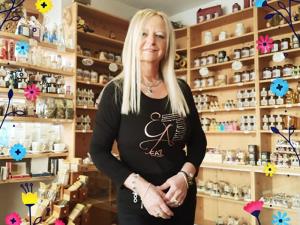
Honey production and sales in Italy, beekeepers, honey-producing areas and local traditions.
Honey is one of Italy’s oldest and most valued foods and has a special place in Italian cooking. Behind the production and sale of honey are many Italian beekeepers who preserve long-standing knowledge and promote sustainable practices that support biodiversity. From north to south and across the islands, each area produces distinctive Italian honeys. Nectar from acacia, chestnut and citrus blossom, as well as honeydew, gives rise to different aromas and textures. A visit to a local producer is a chance to explore this variety, learn about bees and buy directly, supporting short supply chains and product quality.
🍯 The craft of Italian beekeeping, innovation and care for bees.
Beekeeping in Italy combines centuries-old practices with modern techniques intended to protect bees and natural ecosystems. Italian beekeepers work with nature, using a variety of traditional hive designs and favouring harvesting methods that do not harm pollinators. Attention to quality and product certification are distinguishing features. You can find artisan honey at local markets, in specialist shops and on farms. A responsible approach to honey production yields a food valued for its flavour, aroma and nutritional qualities.
👉 Practical tip. Discovering organic beekeeping in Italy is a way to support sustainable practices and see how bees live.
🌼 Regional honeys of Italy, a journey through local flavours.
Italy’s regions have a wide variety of traditional honeys, each with a distinctive character and history. Tuscany is known for sunflower and strawberry tree honeys, while Piedmont is noted for its delicate acacia honey. The hills of Umbria are famous for wildflower honey, and in Sicily you can taste orange blossom and sulla honeys. Each reflects the place where it is produced and offers a chance to discover pairings with regional cheeses, bread and desserts.
👉 Practical tip. Join honey tastings on your travels to appreciate the differences between regions.
🐝 The essential role of bees in protecting Italy’s environment.
As well as producing honey, bees are valuable allies to farmers through the pollination of crops. Healthy colonies support an abundance of fruit, vegetables and flowers and contribute to the vitality of Italian agriculture. Beekeepers help protect the environment by adopting practices that reduce pesticide use and encourage biodiversity.
👉 Practical tip. Take part in educational activities at farms that keep bees to learn more about their role in nature.
🛒 Buying honey in Italy, direct sales, markets and shops.
Honey is sold in Italy at neighbourhood markets, specialist fairs, farm shops and local retailers. Buying directly from beekeepers lets you ask about its origins and assess the quality of the products for yourself. Short supply chains also encourage respect for seasonality and help showcase local production.
👉 Practical tip. Ask local beekeepers about varieties you have yet to try and how honey is used in regional cooking.
🥄 Nutritional characteristics and benefits of Italian honey.
Italian honey contains enzymes, antioxidants, vitamins and minerals. Products from the hive are valued as part of everyday wellbeing and as a natural source of energy. Each variety of honey has its own nutritional profile, sugar levels, aromas and colours, reflecting Italy’s botanical diversity.
👉 Practical tip. Try single-flower honey or wildflower honey at breakfast or alongside traditional local cheeses.
🏞️ Rural and beekeeping tourism with Italian producers.
Beekeeping tourism offers travellers and enthusiasts educational activities, guided tastings and visits to beehives, often in scenic rural and natural settings. Beekeeping farms run workshops and sensory experiences that help adults and children discover the work of beekeepers and the lives of honeybees.
👉 Practical tip. Book an apiary visit on holiday for a first-hand experience of Italian farming practices.
🌳 Honey and biodiversity, appreciating Italy’s natural heritage.
Italian honey production is closely linked to a wealth of different landscapes, from the Alps and Apennines to coastal areas and islands. Botanical diversity produces an extraordinary range of single-flower honeys and mixed-flower varieties. Protected areas and nature parks provide ideal conditions for organic and sustainable beekeeping.
👉 Practical tip. Explore nature parks where beekeepers work to discover rare flowering plants and taste honey from unspoilt areas.
🥇 Quality certifications and guarantees for Italian honey.
Italian producers invest in protected designation of origin (PDO) and protected geographical indication (PGI) certification, labels that safeguard the geographical origin and consistent quality of bee products. Together with numerous laboratory analyses, these measures protect consumers and local traditions and reinforce the value of goods made in Italy. Transparent labelling helps shoppers make informed choices and builds trust in producers.
👉 Practical tip. Always look for quality marks when buying honey to bring home products backed by Italian expertise.
🌿 Honey, other hive products and everyday wellbeing.
Alongside honey, Italian beekeepers offer products from the hive such as propolis, royal jelly, beeswax and pollen. These are valued in natural cosmetics, cooking and alternative medicine, and have a place in everyday wellbeing. Farms often organise workshops and meetings on the uses and benefits associated with each product.
👉 Practical tip. Try new products made with Italian propolis or buy beeswax candles on a visit to a beekeeper to add to your experience and enjoyment.
The production and sale of honey are an important part of Italy’s food and farming heritage. The work of Italian beekeepers gives visitors a wide choice of fine honeys from distinctive environments. Each region offers different flavours, traditions and farming practices, highlighting its landscape and biodiversity. Youritaly.it has detailed information on destinations known for honey and other local specialities. Its business and destination listings help travellers and residents find authentic experiences and high-quality products.
Frequently asked questions about honey production, sales and beekeepers in Italy.
🐝 What is acacia honey, and why is it so popular?
Acacia honey is a mild-tasting, runny variety valued for its sweetness, clarity and ability to dissolve readily. It sweetens foods and drinks without changing their flavour.
🍯 How can I distinguish Italian honey from imported honey?
Italian honey labels state the geographical origin and often carry PDO or PGI certification. Buying from local producers or nearby farms is recommended.
🌸 What is the difference between single-flower and wildflower honey?
Single-flower honey comes predominantly from one kind of blossom. Wildflower honey comes from nectar gathered from various flowers. Their flavour, aroma and other sensory qualities can differ considerably.
🏡 Why buy honey directly from beekeepers?
Buying direct gives you fresh honey in season and the chance to ask for advice on using it and pairing it with other local foods.
🌿 What are hive products?
Besides honey, the hive provides propolis, beeswax, royal jelly and pollen. These are used in food, cosmetics and supplements.
📅 When is the best time to visit an apiary in Italy?
Spring and early summer are ideal for visiting an apiary to watch the bees at work and see honey being harvested.
🚩 What are the main threats facing Italian beekeepers today?
Climate change, excessive pesticide use and bee diseases are the main risks. Many beekeepers use sustainable practices to protect their colonies.
🍰 Which foods pair well with honey?
Honey goes well with fresh or mature cheeses, yoghurt, bread and desserts, as well as savoury foods such as meat and grilled vegetables.
🔎 How can I check the quality of honey I buy?
Colour, aroma and consistency offer clues to quality. Always check the label and look for any certifications.
🎓 What visitor experiences do beekeeping farms offer?
Farms offer honey tastings, workshops, hive visits and educational activities for adults and children.