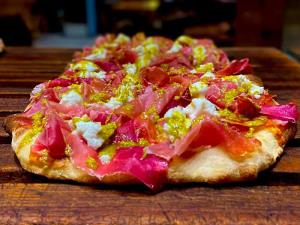
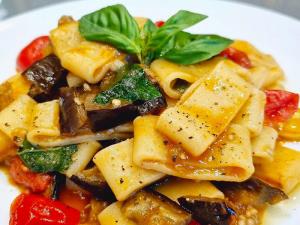
Pizza by the slice in Italy, regional cooking traditions from Rome and Lazio to the rest of the country
Pizza-by-the-slice shops in Italy are a popular choice for residents and travellers alike. The format originated in Rome, where pizza al taglio is found in every neighbourhood, and is now popular throughout the Italian peninsula. Shops in each city use local ingredients for their regional specialities. In Rome, the base is generally light and crisp, while versions in northern Italy tend to be thicker and softer. At pizza-by-the-slice shops you can try several toppings in one meal, choose your portion size or find a quick meal made with care. The flexibility of pizza-by-the-slice shops suits workers, students and tourists, and the shops often become informal gathering places in the city.
🍕 The origins of pizza-by-the-slice shops and their spread across Italy
Italian pizza-by-the-slice shops developed as a practical way to feed people in big cities and have since become an institution. First introduced in Lazio to serve a quick and tasty meal, they helped make pizza accessible and convenient. Today, from Turin to Palermo, each city offers its own version, often using local ingredients and regional flavours.
👉 Things to do and practical tips – Try as many toppings as you can at the area's pizza-by-the-slice shops, particularly combinations made with local produce and specialities.
🍴 A variety of toppings at Italian pizza-by-the-slice shops
Pizza al taglio is known for its choice of toppings. Besides classics such as margherita and ham, you will find seasonal vegetables, local cheeses, regional cured meats and original sauces. Pizza-by-the-slice shops keep devising combinations that reflect the richness of Italian cooking, so there is something different to discover on each visit.
👉 Things to do and practical tips – Ask at the counter of a pizza-by-the-slice shop about unusual combinations and try some of the city's more inventive specialities.
🌍 How pizza by the slice varies across central, northern and southern Italy
In central regions such as Lazio and Umbria, pizza al taglio is typically thin and crisp. Northern versions are often softer, rather like focaccia. In the south, rich doughs carry bolder, more intensely flavoured toppings. These differences give Italy's pizza-by-the-slice shops a distinctive range of flavours from one region to the next.
👉 Things to do and practical tips – Visit pizza-by-the-slice shops in different regions to compare the doughs, the way they are left to rise and the toppings. Make a note of your favourites.
🥖 Local and seasonal ingredients at Italian pizza counters
The choice of ingredients is central to pizza-by-the-slice shops. Each area makes use of its vegetables, cheeses, cured meats and oils, often according to the season. Traditional toppings include Roman courgettes, porcini mushrooms, Tropea red onions and buffalo mozzarella. This connection to place makes pizza al taglio a distinctive Italian food experience.
👉 Things to do and practical tips – Ask the staff at pizza-by-the-slice shops which toppings are in season and which ingredients are typical of the area at that time of year.
👨🍳 The pizza maker's skills and new ideas at Italy's pizza-by-the-slice shops
Making pizza al taglio takes particular skills, from preparing different doughs and selecting ingredients to getting the bake just right. Many pizza-by-the-slice shops are using longer fermentation times and alternative flours. The resulting doughs are lighter and easier to digest, with more options for people with particular tastes or dietary needs.
👉 Things to do and practical tips – Look for pizza-by-the-slice shops that share information about their fermentation times, flours and new techniques for preparing pizza.
🥗 Vegetarian and vegan choices at Italian pizza-by-the-slice shops
Italian pizza-by-the-slice shops have expanded their menus in recent years with vegetarian and vegan options using fresh vegetables, tofu, seitan and plant-based alternatives to traditional cheeses. This gives people with particular dietary needs a choice of tasty pizzas suited to their preferences.
👉 Things to do and practical tips – Ask which vegan options are available and try different slices of plant-based pizza prepared with local, seasonal ingredients.
🚶 Pizza-by-the-slice shops as neighbourhood meeting places
Besides serving food, pizza-by-the-slice shops bring people together in Italian cities. Often in historic centres or near schools and offices, they are a natural stop for a quick meal without giving up the pleasure of good food. Young people, families and students all come here, bringing generations together and giving visitors an insight into local culture.
👉 Things to do and practical tips – Find the pizza-by-the-slice shops that are popular with residents to experience the neighbourhood and its everyday atmosphere.
💡 How to recognise a good Italian pizza-by-the-slice shop
In a good pizza-by-the-slice shop, look for fragrant dough, carefully chosen ingredients and a varied selection of toppings. A regularly changing menu, fresh produce and clear information about where the ingredients come from all suggest care and professionalism. Friendly staff make the visit more enjoyable too.
👉 Things to do and practical tips – Look over the counter at pizza-by-the-slice shops to see how fresh the food is, and ask how the pizzas are prepared.
🌆 Pizza by the slice, a pleasure to share while travelling in Italy
For visitors, pizza al taglio is a convenient way to explore regional cooking on a small budget and make good use of their time. Pizza-by-the-slice shops reveal a different local flavour at each stop and become part of the journey. Visitors choose them every day for a taste of Italian tradition in an informal setting.
👉 Things to do and practical tips – Plan lunch or a snack at pizza-by-the-slice shops near monuments, museums and markets to discover new flavours during your trip.
🏆 Pizza-by-the-slice shops as ambassadors for Italian food
Pizza-by-the-slice shops introduce people to local cooking traditions. By sharing the culture of pizza al taglio abroad, they strengthen Italy's culinary identity around the world through their variety of toppings and the creativity of their pizza makers.
👉 Things to do and practical tips – Learn to recognise recipes in Italian pizza-by-the-slice shops that showcase local produce and help promote the country's culinary heritage.
Frequently asked questions about pizza-by-the-slice shops in Italy
🍕 What are the main differences between Roman and Neapolitan pizza by the slice?
The Roman version is usually thin and crisp. The Neapolitan one is softer and thicker and traditionally baked in a wood-fired oven.
👨🍳 How do I order pizza by the slice in Italy?
Choose from the pizzas on display and indicate how much you would like. Customers often use their hands to show how wide a piece to cut.
🌱 Do Italian pizza-by-the-slice shops offer vegan pizza?
Yes. More and more shops offer pizzas made for vegans with plant-based ingredients and alternatives to cheese.
🌍 Where in Italy is pizza by the slice most common?
Lazio, particularly Rome, has an especially high concentration of pizza-by-the-slice shops, but the custom is now established in every Italian region.
🥔 Which regional ingredients might I find on pizza by the slice?
Local toppings include roast potatoes, cherry tomatoes, Taggiasca olives, locally made cheeses and regional cured meats.
🧑🎓 Are pizza-by-the-slice shops a good option for students?
Yes. The modest prices and quick service make them popular with students in university towns.
🍽️ What is the difference between pizza by the slice and takeaway pizza?
Pizza al taglio is sold by weight and can be eaten straight away. A takeaway pizza is often a whole pizza intended to be carried away.
😘 Can people on special diets eat pizza by the slice?
Many shops are introducing wholemeal, gluten-free or lactose-free doughs, together with toppings suited to different dietary needs.
🏙️ How can I recognise a quality pizza-by-the-slice shop?
Fresh ingredients, a varied selection of toppings and transparency about the ingredients used are the main indicators.
🕐 What is the best time to visit a pizza-by-the-slice shop?
Main mealtimes are the best time to find pizza fresh from the oven, although most shops bake fresh batches throughout the day.
Pizza-by-the-slice shops in Italy offer an accessible food experience rooted in tradition. Carefully chosen ingredients and preparation techniques that vary by region open up a wide range of local flavours. Their many choices make these shops ideal for getting to know Italian culture. With pizza-by-the-slice shops in cities, villages and holiday destinations, it is easy to tailor a food stop to your tastes. Youritaly.it helps you explore the options and discover suggestions for different tastes and dietary needs.