Trattorias and osterias in Italy: discovering a region through its cooking, its wine and its hospitality
In Italy, trattorias and osterias welcome travellers and locals with regional flavours, culinary traditions and warm hospitality. Recipes are handed down through the generations. These establishments are part of Italy’s identity, with seasonal menus built around local produce such as regional cheeses, artisan cured meats and local wines. From north to south, a trattoria is often a welcoming, family-run place where each dish tells you something about the community that makes it.
🍝 Trattoria cooking: honest dishes with a sense of place
The dishes served in Italian trattorias reflect their surroundings, thanks to fresh seasonal ingredients and recipes passed down through the years. Handmade pasta, rustic soups and mixed grills bring local farming and livestock rearing to the table. Menus often change with what is available at the market and showcase the best of the area. Simple preparation lets the flavours of regional cooking shine through.
👉 Things to do and tips: Always highlight local specialities on the menu and favour what is in season to make the most of the range on offer.
🍷 Italian osterias: company and tradition in villages and cities
Osterias are historic gathering places where people share a glass of good wine in surroundings steeped in history. Often found in old town centres, they are a good place to get to know local customs over regional produce and simple food such as warm bread and a selection of sliced cured meats. An informal atmosphere, rustic furniture and a friendly welcome make lunch or dinner an opportunity to meet people who live in the area.
👉 Things to do and tips: Take a seat at one of the shared tables in an osteria to talk to fellow diners and hear the stories behind the food being served.
🧀 Local produce in trattorias: a heritage of flavours to rediscover
Many Italian trattorias owe their success to the quality of their ingredients. From cheeses with protected designation of origin to vegetables grown in the surrounding countryside, each item is chosen with care. Owners work with local farmers and producers to bring organic meat, extra virgin olive oil and handmade preserves to the table. These relationships keep the food seasonal and support the rural economy.
👉 Things to do and tips: Ask about local suppliers or small-scale producers to understand where the ingredients come from and discover more of the region’s specialities.
🍲 Regional differences: trattorias and osterias in northern, central and southern Italy
Eating in trattorias and osterias varies from region to region. Veneto is known for baccalà mantecato, a creamy whipped cod dish, Tuscany for ribollita, and Campania for stoccafisso, or stockfish. Italy’s culinary heritage takes many forms, with different recipes, cooking techniques and pairings. Each establishment gives you a way into the cooking of a particular area and the chance to try unfamiliar flavours.
👉 Things to do and tips: Try a tasting menu at a regional trattoria to discover several of the dishes that best represent the area you are visiting.
🍖 Why the seasonal menu matters in Italian trattorias
A seasonal menu is a defining feature of both trattorias and osterias. Following the seasons keeps dishes fresh and varied. Short supply chains and minimally processed produce allow ingredients to be eaten at their most flavourful while reducing environmental impact. This approach adds to the pleasure of the meal and appeals to diners who value authenticity and care for the environment.
👉 Things to do and tips: Look for trattorias with daily specials. Check the blackboard or ask the staff what is fresh and in season.
🍽️ Furnishings and atmosphere: what makes these places distinctive
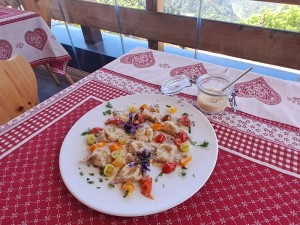
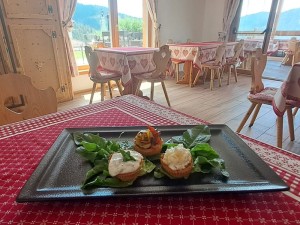
As well as the food, the furnishings and atmosphere make Italian trattorias and osterias special. Wooden tables, checked tablecloths, old photographs and open kitchens lend warmth and familiarity. Handwritten menus and stone walls are among the details that make these places inviting for lunch with friends or an intimate dinner. Sights and aromas are as much a part of the experience as taste.
👉 Things to do and tips: Choose a trattoria with traditional furnishings to catch glimpses of local history and enjoy the atmosphere of the region.
🍾 Regional wines on the wine lists of Italian osterias
Osterias are often known for their regional wines, chosen to complement local dishes. In many places you can ask for a guided tasting or try bottles from small wineries. The wine list favours quality and reflects a close connection to the area, with native grape varieties and sustainably produced wines. This helps preserve diversity in the vineyard and lets visitors discover different expressions of Italian wine.
👉 Things to do and tips: Ask the staff to suggest pairings of local dishes and wines from the area to enjoy the two together.
🥗 Vegetarian and vegan food in trattorias and osterias
Many trattorias and osterias have added vegetarian or vegan options in recent years, making use of grains, pulses and seasonal vegetables. This responds to a growing interest in wellbeing and sustainability while preserving the flavours of traditional recipes. The range continues to grow, from colourful starters and vegetable-based first courses to desserts made without animal products.
👉 Things to do and tips: Check for vegetarian dishes or vegan options before booking, and tell the staff about any dietary requirements so they can suggest a suitable meal.
🧑🍳 The people behind the welcome and the cooking
In trattorias and osterias, cooks, hosts and waiting staff also help guests connect with the area. Often, generations of the same family have worked in the business. Their stories of local traditions, advice on food and wine and knowledge of the community lend each meal a personal touch. Their dedication helps sustain the diversity of Italian cooking.
👉 Things to do and tips: Take time to talk to the people working in trattorias and osterias. They may have stories about local food traditions and ideas for places to visit nearby.
🌳 Trattorias in villages and the countryside: good food and rural scenery
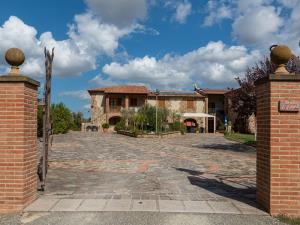
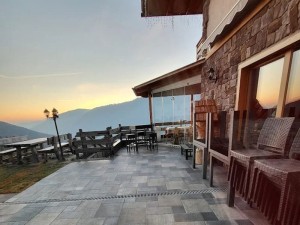
Many trattorias and osterias are in small villages or out in the countryside, where you can unwind in distinctive surroundings. Along with local recipes you can enjoy the quiet, often with views of vineyards, hills or lakes. Such places suit anyone looking for a meal that combines good food with the beauty of the area.
👉 Things to do and tips: Choose a trattoria in the countryside for a leisurely lunch and allow time for a walk to explore the surrounding landscape.
Frequently asked questions about trattorias and osterias in Italy
🍝 What is the difference between a trattoria and an osteria?
Traditionally, a trattoria offers a broader, more complete menu. An osteria began as a place to drink wine, with a smaller choice of simple dishes.
🍷 How can I recognise a traditional Italian trattoria?
Look for rustic furniture, a handwritten menu and local recipes prepared with seasonal ingredients from suppliers in the area.
🥗 Do trattorias have vegetarian or vegan options?
Many trattorias and osterias now offer vegetarian or vegan food or alternative dishes for guests with particular dietary needs.
🍇 Do osterias serve local wines?
Yes. The wine list usually includes regional wines or bottles from small producers, so you can try varieties typical of the area.
🍲 Can I eat at a trattoria without a reservation?
Booking is advisable at certain times of year and in tourist areas, but many trattorias also welcome walk-in guests if a table is available.
🧀 Are the ingredients really local?
Many trattorias choose ingredients directly from farms in the area to keep their dishes fresh and of a high standard.
🌿 Are trattorias suitable for families?
Yes. Most have a welcoming atmosphere, dishes that suit children and comfortable places for families to sit.
🍽️ Can I ask for a dish that is not on the menu?
The staff can sometimes offer a daily special that is not listed, particularly when seasonal ingredients are available.
🚗 How can I get to a trattoria in a rural area?
Many village and country trattorias are easy to reach by car. Local websites often give precise directions.
🎉 Do trattorias organise events or themed evenings?
Some host evenings with special menus, tastings or events linked to local festivals and food and wine traditions.
Italy’s trattorias and osterias are at the heart of the country’s food and wine culture, where longstanding flavours meet the pleasure of sharing a meal today. The variety of traditional menus, the choice of local produce and the friendly atmosphere make for experiences that change from one region to the next. Youritaly.it offers detailed information on locations, services and culinary specialities to help you find a place that suits you and appreciate both the region and the people who bring its history to the table each day.