Exploring the Chianti Classico Wine and Olive Oil Route in Tuscany, Italy.
In the heart of Tuscany, the Wine and Olive Oil Route of Chianti Classico is an inviting way to explore Mediterranean culture among green hills and sweeping views. Alongside tastings of the celebrated Chianti Classico, the route introduces visitors to longstanding olive-growing traditions, local crafts and activities that showcase the area through food, wine, history and hospitality. Many farms, olive mills and wineries open their doors to visitors interested in how the area’s specialities are produced. Winding through historic villages and natural landscapes, the route connects tourism and culture with the region’s working economy.
🍇 The origins and history of the Chianti Classico Wine and Olive Oil Route in Tuscany.
The landscape of Chianti Classico preserves the marks of a long farming history. The Tuscany Region officially recognised the Chianti Classico Wine and Olive Oil Route in 2008. It explores the area’s long traditions of vine growing and olive cultivation, still visible in the old farmhouses and parish churches scattered across the countryside. Over time, promoting Chianti Classico wine and extra virgin olive oil became central to farming and tourism here. An organised network now links producers, wine shops and restaurateurs who share the area’s heritage with visitors.
👉 Things to do: take time to explore historic buildings along the route, learn about rural traditions and listen to the stories of families who produce Chianti Classico DOCG and Chianti Classico DOP olive oil.
🍷 What distinguishes Chianti Classico DOCG wine and Chianti Classico DOP olive oil.
Growers make Chianti Classico DOCG wine from Sangiovese, either on its own or blended with other red grapes permitted under the production rules. Chianti Classico DOP extra virgin olive oil is fruity, with notes of grass and artichoke and a peppery taste. The wine and the oil have separate production specifications.
👉 Things to do: book a guided tasting to compare different vintages or varieties, and visit olive mills to find out how Tuscan olive oil is extracted.
🍂 Environmental sustainability in Chianti Classico wine and olive oil production.
In recent years many businesses along the Chianti Classico route have adopted sustainable practices to protect the environment and keep soils and crops healthy. Organic farming, water-saving techniques and renewable energy all help preserve the area’s natural heritage. This responsible approach adds value to local specialities and shows how rural development and environmental protection can work together.
👉 Things to do: choose farm stays and producers committed to sustainability for a visit that respects the natural surroundings of Chianti.
🌄 The landscapes and natural attractions of the Chianti Classico Wine and Olive Oil Route.
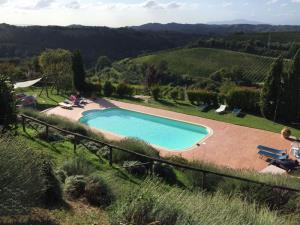
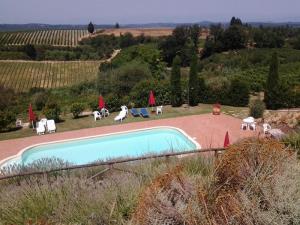
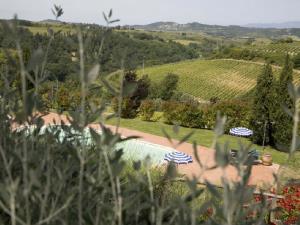
The route follows gentle hills planted with vines and olives, interspersed with woods and small medieval villages. The changing colours and scents set the scene for a holiday combining nature and culture. The Tuscan landscape is well suited to walks and bike rides, with viewpoints over the countryside and opportunities to discover its farming roots. Nearby rivers and nature reserves add to the experience.
👉 Things to do: follow rural footpaths open to the public through vineyards and olive groves to photograph the characteristic landscapes of Chianti Classico.
🛍️ Shopping and crafts along the Chianti Classico Wine and Olive Oil Route.
Alongside food and wine, the route showcases ceramics, textiles and woodwork that reflect the everyday material culture of Tuscany. Markets and seasonal fairs play an important part in sustaining small businesses, spreading economic benefits and bringing producers and buyers together. This trading network also helps visitors discover local life and supports the survival of traditional skills.
👉 Things to do: join local events and visit artisans’ workshops to discover the characteristic crafts of Chianti.
🍽️ Tuscan cooking and the products of the Chianti Classico Wine and Olive Oil Route.
The area’s cuisine is based on good seasonal ingredients, with dishes that highlight Chianti Classico wine and olive oil. Rustic soups, grilled meats and pasta with herb and oil-based sauces are hallmarks of the local table. Restaurants and trattorias along the route plan menus to bring out individual specialities, perhaps alongside a glass of local wine.
👉 Things to do: try traditional dishes in different towns in Chianti Classico to appreciate the variety and richness of Tuscan cooking.
🚗 Planning a trip along the Chianti Classico Wine and Olive Oil Route.
It pays to plan timings, stops and visits to wineries and olive mills before setting off. Many places offer packages combining accommodation, tastings and guided tours. Local transport services and bicycle hire offer other ways to see the area. Up-to-date maps and digital guides can also help you find seasonal events and festivals.
👉 Things to do: plan stops in the villages of Chianti, book tastings in advance and check producers’ opening times.
🏛️ Artistic and cultural heritage on the Chianti Classico Wine and Olive Oil Route.
The small historic towns scattered across the Tuscan countryside preserve churches, museums and palaces that tell the region’s story. Cultural itineraries often overlap with food and wine routes, adding interest to the journey. Cultural events, concerts and temporary exhibitions bring this heritage to life and offer time for both learning and enjoyment.
👉 Things to do: include cultural stops to discover the art and traditions of the Chianti Classico area.
🌿 The best seasons to visit the Chianti Classico Wine and Olive Oil Route.
Each season shows a different side of the area. Spring brings bright colours, summer brings outdoor events and evening tastings, autumn is the time for grape and olive harvests, and winter offers a quieter atmosphere for enjoying local products. The best time depends on your interests and the activities you want to try.
👉 Things to do: consider attending an event devoted to Chianti’s wine or olive oil production.
🗺️ The role of food and wine tourism in sustainable development on the Chianti Classico Wine and Olive Oil Route.
Food and wine tourism plays an important role in the local economy, from hospitality to retail. Meeting producers and artisans helps visitors understand traditions, encourages investment in protecting the landscape and supports development that respects the environment. Bringing these activities together strengthens the area’s identity and the international profile of Chianti Classico.
👉 Things to do: choose tours run by operators committed to sustainable development and activities that explore the connections between the land, its culture and its produce.
Frequently asked questions about the Chianti Classico Wine and Olive Oil Route in Tuscany.
🍷 When is the best time to visit the Chianti Classico Wine and Olive Oil Route?
Spring is good for walks and village visits. For grape and olive harvest activities, consider late summer through autumn and check the producers’ programmes.
🚶 Can I walk or cycle along the route?
Yes. The area has trails for walks and cycling tours that explore the characteristic landscapes of Chianti.
🍽️ What traditional dishes should I try along the way?
Try traditional soups, grilled meats and simple dishes dressed with Tuscan olive oil and served with Chianti Classico wine.
🛍️ Can I buy local products along the route?
Yes. Numerous small shops and local markets sell wine, olive oil and crafts typical of the area.
🕰️ What are the usual opening hours for wineries and olive mills?
Hours vary, but tours and tastings generally take place during the day. Booking ahead is advisable.
🚗 How can I reach the Chianti Classico Wine and Olive Oil Route?
By car, follow the Chiantigiana road between Florence and Siena. Buses from Florence also serve Greve in Chianti. For a winery visit, check the stop, the return timetable and the walking distance from the stop.
🏨 Is there accommodation along the itinerary?
Yes. Farm stays, bed and breakfasts and hotels are available at various points, offering characteristic places to stay surrounded by nature.
🌱 How widespread is organic production in the area?
Many producers are adopting organic and sustainable methods to maintain quality and respect the environment.
🎉 Are there special events connected with the Chianti Classico Wine and Olive Oil Route?
The area hosts fairs, tastings and seasonal festivals, especially in autumn during the grape and olive harvests.
📜 What visitor information is available for planning a trip?
Maps, online guides and information points can help you choose stops, tastings and cultural visits along the way.
The Wine and Olive Oil Route of Chianti Classico in Tuscany brings together culture, nature and quality local production. The itinerary explores the connections between tradition, the local economy and sustainable development. Chianti Classico wine, Chianti Classico DOP olive oil, the landscape and the area’s artistic heritage all contribute to a distinctive stay. Youritaly.it helps visitors connect with the places they explore and gain a deeper, firsthand understanding of Italian specialities.