Farms, educational farms, cheese dairies, olive mills and wineries in Italy – a journey through rural traditions and innovative production
At the heart of the Italian countryside, agricultural businesses combine longstanding traditions with new technologies. Farms produce wine, extra virgin olive oil, cheese, vegetables and fruit, showcasing the richness of Italy's regions. Educational farms offer learning experiences for children, teenagers and adults, bringing them into direct contact with animals and local crops. At cheese dairies, visitors discover how milk becomes specialities such as mozzarella, pecorino and ricotta. Olive mills offer opportunities to watch olive oil being made using traditional and modern methods. Italian wineries preserve a distinctive winegrowing heritage through tastings, guided tours and stories of historic vineyards. Together, these businesses form the heart of rural Italy, welcoming anyone seeking authenticity, food culture and environmental sustainability.
🍇 The role of farms in Italy's rural development
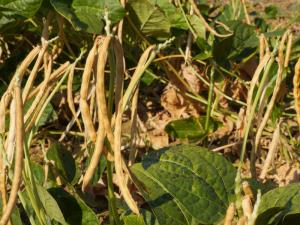
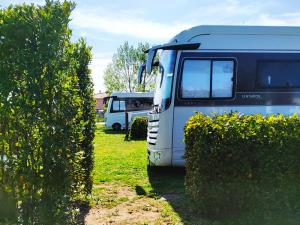
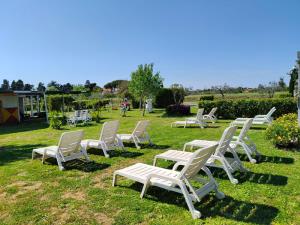
Italian farms are the backbone of the rural economy, helping to preserve landscapes and traditional production. From the Po Valley to the hills of Umbria, each region has its own crops and livestock farming. Alongside production, these businesses protect the environment and promote local products. Italian farmers often work with short supply chains, taking part in farmers' markets and encouraging people to buy locally produced food. Many farms also provide agritourism services, welcoming visitors for tastings, overnight stays and workshops.
👉 Things to do and practical tips – Visit farms to discover local crops, join tastings and buy regional specialities directly from the producer.
🐑 Experiences at Italian educational farms and learning activities for all ages
Educational farms combine different activities to provide learning in close contact with nature. Visitors of all ages can learn about production cycles, livestock and sustainable farming practices. Hands-on workshops include sensory trails, seasonal harvesting, cookery courses and environmental games. Schools often choose these farms for outings, cross-curricular learning and social activities. Green spaces and the presence of animals support environmental education and encourage respect and care for the land.
👉 Things to do and practical tips – Book an educational farm visit for children, families or groups to enjoy learning experiences connected to nature and rural traditions.
🧀 Italian cheese dairies, a heritage of cheese and milk processing
Italy's cheese dairies preserve longstanding expertise in milk processing. From the Alps to Sicily, visitors can discover traditional and innovative methods of making world-famous cheeses. Every dairy's attention to the quality of its raw ingredients shapes products such as fontina, burrata, caciocavallo and gorgonzola. Visits to cheese dairies let you follow production stages, join themed tastings and explore cheesemaking culture through stories and demonstrations. Many producers combine direct sales with educational activities to promote regional cheeses.
👉 Things to do and practical tips – Join guided tours of Italian cheese dairies to watch cheese being made and buy fresh and matured local specialities.
🌳 Olive mills and olive oil, production expertise and Mediterranean traditions
Olive mills, set among hills and olive groves, are the birthplace of Italian extra virgin olive oil. Milling techniques passed down through generations now work alongside advanced technology to preserve aromas and qualities. Visitors can explore artisan olive mills to learn production secrets, taste newly pressed oils and appreciate the differences between olive varieties. Mills also host cultural events and informative meetings, often connected to local food and wine routes.
👉 Things to do and practical tips – Plan a visit to an olive mill to join tastings, learn the history of Italian extra virgin olive oil and buy fresh oils directly from the producer.
🍷 Italy's wineries and the appeal of local food and wine
Italian wineries are central to the country's winegrowing culture, offering distinctive tasting experiences and telling stories of old grape varieties. From sparkling wines of the Langhe to Tuscan reds and Franciacorta's sparkling wines, every winery represents a wealth of knowledge, passion and innovation. Guided tours include vineyards, opportunities to watch winemaking and fermentation, tastings of fine wines and advice on pairing them with regional specialities. Themed events and educational activities enrich wine tourism for enthusiasts and experts.
👉 Things to do and practical tips – Book tours of wineries to taste quality wines, learn about production methods and discover Italy's most renowned winegrowing areas.
🥚 Agricultural businesses and farms, environmentally responsible innovation for sustainable production
Italian agricultural businesses and farms are evolving through sustainable practices, organic farming, crop rotation and reduced environmental impact. Many rural businesses create facilities for waste separation and renewable energy, combining support for local biodiversity with safe, high-quality food production. This approach values sustainability, respect for nature and animal welfare, makes the most of local resources and creates opportunities for responsible tourism.
👉 Things to do and practical tips – Choose farms committed to environmental sustainability to support protection of the countryside and enjoy food produced with care for the local ecosystem.
🫒 The importance of short supply chains in Italy, benefits for producers and consumers
The short supply chain has become a symbol of quality and transparency in Italian food production. Buying directly from farms, cheese dairies, olive mills and wineries ensures product freshness, traceable ingredients and fair prices for farmers. This way of shopping helps people rediscover local flavours and creates direct relationships between producers and buyers. Farmers' markets, country shops and farm-gate sales are important ways to support rural Italy and encourage informed consumption.
👉 Things to do and practical tips – Buy from local olive mills, cheese dairies and wineries to support the short supply chain and bring fresh, authentic specialities to your table.
🌄 Tourist routes through vineyards, olive groves and livestock farms, discovering rural Italy's landscape
Routes through the Italian countryside reveal beautiful views among vineyards, olive groves and livestock farms. Each region has scenic paths, welcoming agritourism properties and distinctive small villages. Farms and agricultural businesses organise guided walks, carriage rides and seasonal themed days. Meeting producers, craftspeople and livestock farmers offers authentic rural experiences enhanced by tastings and hands-on workshops. Italy's farming landscapes are ideal destinations for families, groups and walkers who enjoy nature and traditions.
👉 Things to do and practical tips – Explore rural routes through farms and wineries to combine outdoor activities, local culture and tastings of regional specialities.
🚜 Social farming in Italy, inclusion and new opportunities for growth
Social farming is emerging as an innovative model that includes workers in vulnerable situations, people with disabilities and people from migrant backgrounds through work in fields, livestock buildings and food-processing workshops. Social farms and cooperative networks promote work placements, training and personal support activities. These organisations encourage participation, social cohesion and personal development, offering services ranging from hospitality to reintegration into employment.
👉 Things to do and practical tips – Visit social farms or take part in solidarity-based farming projects to support inclusive initiatives and enjoy meaningful experiences with other people.
🍯 Italian regional specialities, outstanding products from farms, cheese dairies, olive mills and wineries
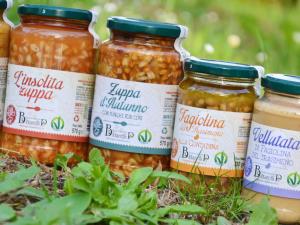
From cheeses and wines to honey, preserves and cured meats, the variety of regional specialities from farms, cheese dairies, olive mills and wineries tells the story of distinctive places. Quality ingredients and traditional methods give flavour and value to Italian products protected by DOP, IGP and DOC designations. Tasting and buying these products reveals the essence of Italian food culture, combining sensory enjoyment and wellbeing. Visits to artisan workshops and guided tastings celebrate gastronomic heritage and bring consumers closer to local production methods.
👉 Things to do and practical tips – Join tastings at cheese dairies, olive mills and wineries to discover new flavours and learn more about Italy's finest products.
📚 Frequently asked questions about farms, educational farms, cheese dairies, olive mills and wineries in Italy
😊 What documents are needed to visit an educational farm?
No special documents are generally required. However, schools or organised groups may need a booking or a release form signed by the guardians of children attending.
🍇 How can I book a winery tasting?
For most wineries, you can call directly or complete the dedicated online form on the business's website, specifying the number of participants and preferred date.
🧀 Do cheese dairies let visitors watch cheese being made?
Many dairies organise guided visits where guests can observe cheese production. Check the arrangements and times in advance.
🌱 Do farms sell their products directly?
Yes, almost all farms offer direct sales, both at the farm and at weekly markets in local towns.
🚜 What is the difference between an agriturismo and an educational farm?
An agriturismo focuses mainly on accommodation and dining, while an educational farm offers learning programmes and workshops for school groups and families.
🍯 Can I buy olive oil or honey directly at olive mills?
Yes, almost all Italian olive mills sell extra virgin olive oil on site, and often honey and related products too.
🚶 Are farms accessible to people with disabilities?
Many businesses have adapted paths and spaces for accessibility, but check the services available for your particular needs before visiting.
🦆 Can I organise a party at an educational farm?
Almost all educational farms can host birthdays and small events, but the details and services must be agreed directly with the farm.
🐄 When is the best time to visit wineries?
The grape harvest, from late August to October, is particularly interesting, but many wineries welcome visits all year with different seasonal activities.
👨👩👦 Are visits to cheese dairies and olive mills suitable for children?
Absolutely. Many visits are also designed for younger guests, with interactive trails or workshops for children.
Italian farms, educational farms, cheese dairies, olive mills and wineries are central to the country's rural culture and wealth of production. Across Italy, they offer educational and enjoyable experiences, introducing visitors to production methods, the meaning of the short supply chain and the quality of regional specialities. Tourist routes that include visits to farms, cheese dairies, olive mills, wineries and educational farms offer a full experience of Italy's food and environmental culture. Youritaly.it provides detailed information to help you choose rural experiences and enjoy the country's outstanding products, discovering the true character of rural Italy through history, flavours and respect for the environment.